
Draper Engineering Tools



Loading...
End of content
Error - No more pages to load
Draper Engineering Tools at MyToolShed.co.uk
Draper Engineering Tools cover the hand tools used for cutting, finishing and threading metal in workshops, maintenance bays and fabrication shops. The selection is organised into Deburring Tools, Milling Tools and Taps & Dies, so you can go straight to the tool for the job at hand.
These tools suit machinists, fitters, fabricators and vehicle technicians, as well as serious home workshop users. They help you clean up cut edges, shape metal accurately and create or repair threads on bolts, studs and tapped holes.
Draper Engineering Tools Features and Benefits
- Hardened cutting edges: hold their sharpness through repeated use on steel, aluminium and other common workshop metals, so finishes stay consistent.
- Metric thread options: taps and dies in metric sizes suit the fasteners found on UK vehicles, machinery and general engineering work.
- Precision-ground profiles: help produce clean, accurate threads and cuts, reducing the risk of cross-threading and rework.
- Comfortable handling: deburring tools are shaped for controlled, repeatable strokes, which makes finishing edges quicker and safer on the hands.
- Organised sets and individual tools: buy a full set for general thread work, or pick up a single size to replace a worn tool.
Popular Draper Engineering Tools
Deburring Tools
Used to remove sharp burrs and rough edges left after cutting, drilling or sawing. They make parts safer to handle and help components fit together properly.
Milling Tools
Designed for shaping, slotting and finishing metal workpieces. They suit machining tasks where accurate material removal and a clean surface finish matter.
Taps & Dies
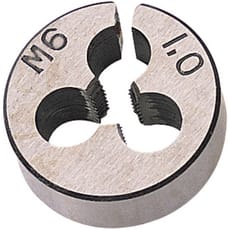
Taps cut internal threads in drilled holes, while dies cut external threads on rods and bolts. They are also handy for cleaning up damaged threads and restoring fasteners without replacing the whole part.
Frequently Asked Questions
How do I choose the right tap or die?
Check the thread size and pitch you need, and the material you are cutting. For a tap, drill the correct tap drill size first. Use cutting fluid and back the tool off regularly to clear swarf and keep the thread clean.
When should I use a deburring tool?
Use one straight after cutting, drilling or filing metal, once the sharp, raised edge has formed. Deburring before assembly helps parts seat properly and reduces the risk of cuts during handling.