
Blue Spot Knives

Loading...
End of content
Error - No more pages to load
Blue Spot Knives at MyToolShed.co.uk
Blue Spot Knives cover the cutting jobs that come up on site, in the workshop and around the home. The category is split into Utility Knives for general cutting, Precision Knives for fine, controlled work, and Knife Blades for keeping your knives sharp and ready to use.
Whether you are trimming plasterboard, opening packaging, cutting flooring underlay or tidying up a detailed craft project, there is a Blue Spot knife type to suit. Browse the child categories to find the right knife and the replacement blades to go with it.
Blue Spot Knives Features and Benefits
- Replaceable blades: swap in a fresh blade when the edge dulls, so cuts stay clean without replacing the whole knife.
- Utility knife designs: built for general cutting of materials such as cardboard, carpet, plastics and insulation, making them a handy all-rounder for tradesmen.
- Precision knife control: slim handles and fine blades give accurate cuts for detailed work, templates, trimming and model making.
- Compatible knife blades: keeping spare blades to hand means less downtime and safer, more predictable cutting, as a sharp blade needs less force.
- Practical, tool-bag friendly sizes: easy to carry and store alongside your other hand tools.
Popular Blue Spot Knives
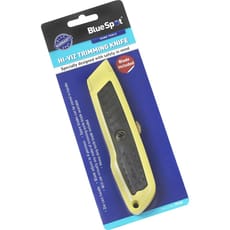
Utility Knives
The go-to choice for builders, fitters, decorators and general DIY. Use them for scoring plasterboard, cutting flooring, trimming sheet materials and opening packs.
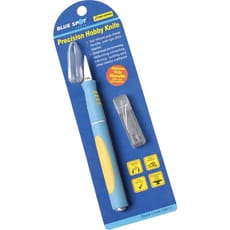
Precision Knives
Ideal for fine trimming, detailed cutting and craft work where accuracy matters more than cutting power.
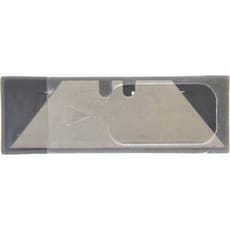
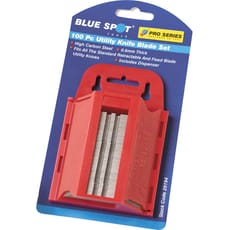
Knife Blades
Replacement blades let you refresh your knife quickly. Keep a supply in the van or workshop so you can keep working with a sharp edge.
Frequently Asked Questions
How do I choose between a utility knife and a precision knife?
Choose a utility knife for general cutting of larger or tougher materials, such as plasterboard, carpet or cardboard. Choose a precision knife when you need fine control for detailed trimming, small cuts or craft projects.
When should I change the blade in my knife?
Change the blade as soon as it starts to tear rather than cut, or when it drags through the material. A sharp blade is safer because it needs less pressure, so always check the blade type suits your knife and dispose of used blades carefully.