
Brads & Nails

Pay in 3 interest-free payments on purchases from £20-£3000 with  . Learn more.
Loading...
End of content
Error - No more pages to load
About Brads & Nails
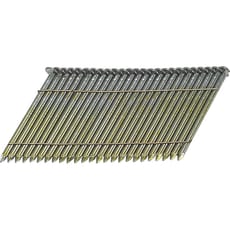
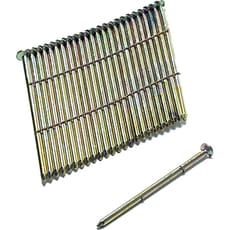
Brads and nails are essential fasteners for construction, carpentry, and finishing work across professional and DIY applications. MyToolShed.co.uk stocks a comprehensive range including round wire nails for general carpentry, brad nails for delicate trim work, clout nails for roofing, masonry nails for hard substrates, and collated nails for use with pneumatic and cordless nail guns. Whether you're framing timber structures, installing skirting boards, fixing cladding, or assembling furniture, selecting the right nail type, gauge, and length ensures secure fixings and professional results.
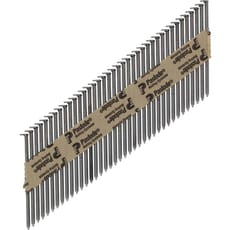
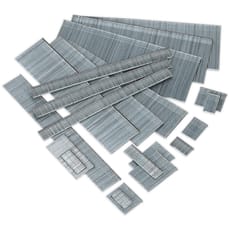
Our range includes loose nails for traditional hammer fixing as well as collated strips compatible with leading brands like Makita, DeWalt, and Milwaukee nailers. Available in various coatings from bright steel for internal work to hot-dip galvanised for exterior applications, MyToolShed.co.uk provides fasteners suitable for every environment. Assorted nail packs offer convenient variety for smaller projects, whilst bulk packs serve high-volume professional requirements.
Applications
Brads and nails are fundamental fasteners used across numerous trades and applications:
- Carpenters and Joiners – structural framing, first and second fix carpentry, installing architrave and skirting
- Roofers – securing roofing felt, battens, and cladding with clout nails and specialist fixings
- Shop Fitters – fixing display units, wall panels, and decorative trim work
- Floor Layers – securing floorboards, underlay, and wooden flooring systems
- Furniture Makers – cabinet assembly, drawer construction, and joinery using panel pins and brads
- Landscapers – constructing decking, fencing, and garden structures with galvanised nails
- Construction Workers – general site work requiring fast, reliable mechanical fixings
- DIY Enthusiasts – home improvements, repairs, and woodworking projects
Choosing The Right Brads & Nails
Nail Type and Application: Match the fastener to your substrate. Round wire nails suit general carpentry, brad nails work best for trim and mouldings, clout nails excel at roofing applications, whilst masonry nails are hardened for fixing into brick or concrete.
Length and Penetration: Nails should penetrate at least two-thirds of their length into the base material. For fixing 12mm material to timber studs, use 40-50mm nails for adequate holding power.
Gauge and Head Size: Thicker gauge nails offer greater strength but increase splitting risk, particularly near timber edges. Brad nails and panel pins with minimal heads suit delicate mouldings, whilst larger flat heads distribute load for sheet materials.
Coating and Environment: Use bright or electro-galvanised nails indoors, but specify hot-dip galvanised or stainless steel fixings for external or damp environments to prevent corrosion.
Fixing Method: Collated nails must match your nail gun's magazine angle and collation type. For high-volume work, pneumatic or cordless nailers significantly increase productivity over hand-nailing.
Frequently Asked Questions
What's the difference between brad nails and panel pins?
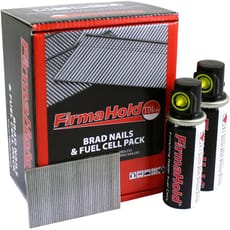
Brad nails are typically 18 gauge (1.25mm) fasteners designed for pneumatic brad nailers and trim work. Panel pins are similar slender nails but usually hand-driven and available in smaller sizes down to 12mm length. Both create minimal visible fixing points ideal for finishing carpentry.
What size nail should I use for skirting boards?
For standard 18-20mm skirting boards fixed to timber grounds, use 50-65mm lost head nails or oval brads. When fixing directly to masonry, use masonry nails or proprietary skirting fixings. Brad nailers with 50mm 18-gauge nails offer the fastest, neatest results.
How do I prevent timber splitting when nailing near edges?
Pre-drill pilot holes slightly smaller than the nail diameter, particularly in hardwoods or when fixing within 25mm of board edges. Use smaller gauge nails where possible, or reposition fixings further from edges. Blunting the nail point slightly can also reduce splitting by crushing fibres rather than wedging them apart.