
Bow Saws & Blades

Pay in 3 interest-free payments on purchases from £20-£3000 with  . Learn more.
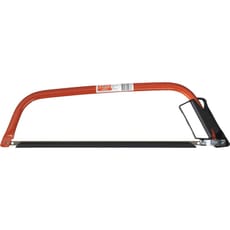
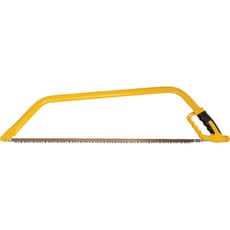
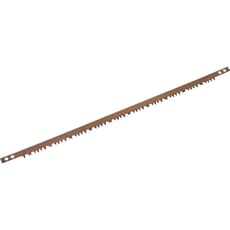
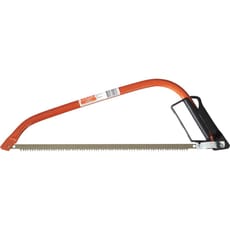
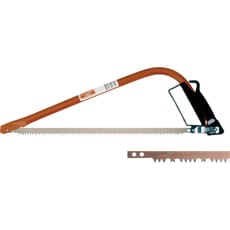
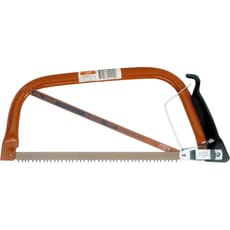
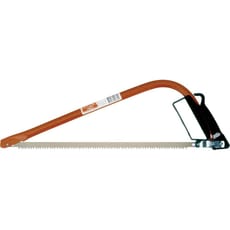
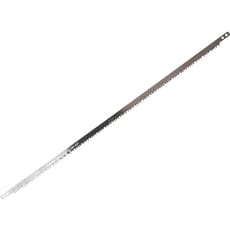
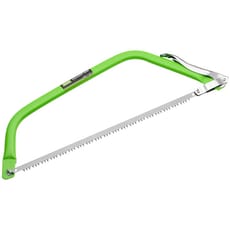
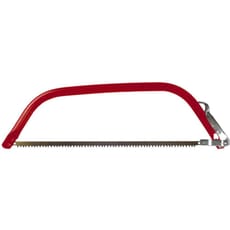
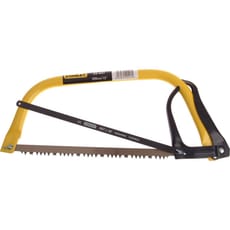
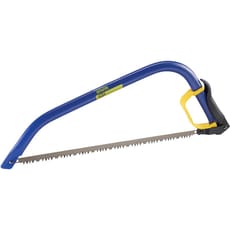
 Loading...
End of content
Error - No more pages to load
About Bow Saws & Blades
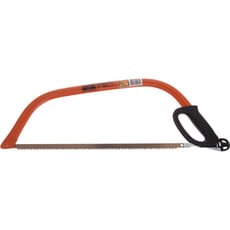
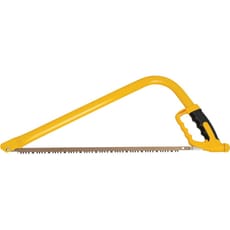
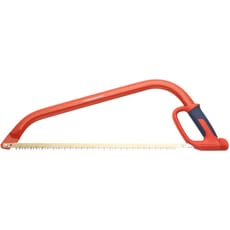
Bow saws are indispensable hand tools for cutting wood outdoors, featuring a distinctive curved frame that holds a replaceable toothed blade under tension. Also known as Swede saws or Finn saws, these versatile cutting tools excel at processing logs for firewood, pruning trees, and clearing branches on site. The replaceable blade system makes bow saws incredibly cost-effective—simply swap the blade to match your cutting task rather than replacing the entire tool. MyToolShed.co.uk stocks professional-grade bow saws from trusted brands like Bahco and Stanley, alongside a comprehensive range of replacement blades for every cutting requirement.
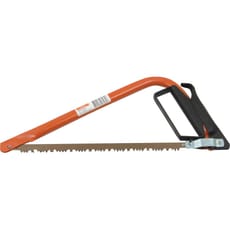
What distinguishes bow saws from fixed-blade alternatives is their adaptability. Different blade configurations suit specific tasks: aggressive teeth with 6-10 TPI for green wood with high moisture content, finer teeth with 12-15 TPI for dry seasoned timber, or specialised patterns for particular species. Frame designs vary from traditional curved bows offering maximum blade length, to pointed nose variants that provide superior access in confined spaces around branch clusters or near structures. Whether you need a compact 530mm saw for detailed work or a 915mm frame for forestry applications, MyToolShed stocks the right combination of frames and blades for any outdoor cutting task.
Applications
- Tree Surgeons & Arborists: Pruning, sectioning felled timber, and tree maintenance operations
- Landscapers & Groundskeepers: Woodland management, vegetation clearance, and log preparation
- Forestry Workers: Processing timber on site, limbing operations, and firewood cutting
- Gardeners & Garden Maintenance Contractors: Pruning large branches and general garden clearance
- Roofers & Carpenters: Cutting structural timber and roof timbers on construction sites
- Estate Managers & Park Rangers: Maintaining large grounds, woodland management, and habitat conservation
- Agricultural Workers: Hedge maintenance, fencing work, and farm land management
- DIY Enthusiasts & Homeowners: Managing gardens, preparing logs for wood burners, and seasonal tree maintenance
- Camping & Bushcraft Enthusiasts: Preparing firewood and general outdoor woodcraft
Choosing The Right Bow Saws & Blades
Frame Size: Bow saws range from 530mm to 915mm blade lengths. For general garden maintenance and pruning, a 610-760mm frame offers the best balance of cutting capacity and manoeuvrability. Larger frames suit forestry work, whilst compact sizes excel in tight spaces.
Frame Design: Traditional curved bow frames maximise blade length for efficient cutting. Pointed nose designs provide improved access around obstacles. Professional tubular steel frames offer superior durability for daily use, whilst lighter aluminium frames suit occasional applications.
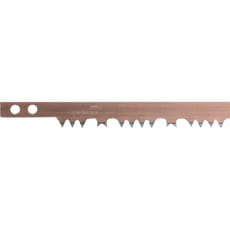
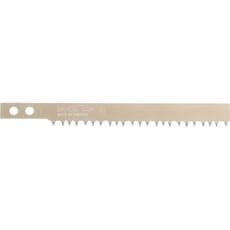
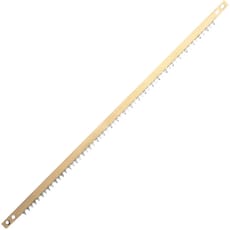
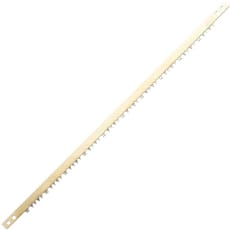
Blade Tooth Configuration: Match blades to your material. Peg tooth blades (6-10 TPI) work best on green wood, clearing sap efficiently. For seasoned timber, opt for finer teeth (12-15 TPI) producing smoother cuts. Hard point blades offer extended life before requiring replacement.
Handle Comfort: Ergonomically designed handles with rubberised grips reduce hand fatigue during extended cutting sessions and provide better control in wet conditions typical of outdoor work.
Blade Tensioning: Quality saws feature reliable tensioning mechanisms—either threaded rod or lever-action systems. Proper tension is critical for straight cuts and blade longevity, so choose frames with accessible, tool-free adjustment.
Safety Information
Always ensure blades are correctly tensioned before use—loose blades can buckle whilst over-tensioned blades may snap. Inspect blades before each use for damaged teeth, cracks, or excessive wear, replacing compromised blades immediately. Wear appropriate PPE including safety glasses, cut-resistant gloves, and steel toe-capped boots when processing larger logs. Maintain a stable stance with the workpiece properly supported to prevent binding. Never position any part of your body in line with the cutting direction. Keep blades sharp—dull teeth require excessive force, increasing slip risks. Store saws with blade guards fitted in a dry location away from children, following HSE guidelines and manufacturer safety guidance.
Frequently Asked Questions
What's the difference between bow saw blades for green wood versus dry wood?
Green wood blades feature larger, aggressive peg teeth with deeper gullets (6-10 TPI) to efficiently clear sap and moisture from fresh-cut timber. Dry wood blades have finer teeth (12-15 TPI) creating smoother cuts in seasoned timber where moisture content is lower. Using the wrong blade significantly reduces cutting efficiency and can damage teeth.
Why does my bow saw blade keep bending or wandering during cuts?
Blade wandering is typically caused by insufficient blade tension. Check and adjust the tensioning mechanism—the blade should 'ping' when plucked. Other causes include worn blades with damaged teeth, forcing the saw rather than letting teeth do the work, or inadequately supported material. Ensure your frame isn't bent, as this prevents proper tensioning.
What blade length do I need for typical garden maintenance?
For most domestic garden maintenance, tree pruning and preparing logs for wood burners, a 610-760mm bow saw provides ideal cutting capacity and manoeuvrability. This size handles branches up to approximately 200mm diameter whilst remaining easy to control and transport.