
Bodywork Fillers & Chemicals

Pay in 3 interest-free payments on purchases from £20-£3000 with  . Learn more.
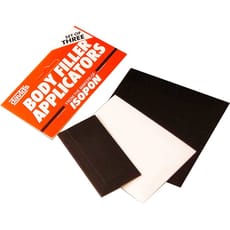
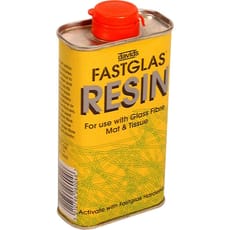
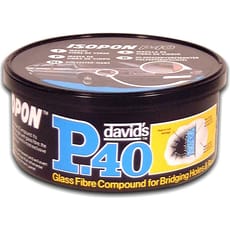
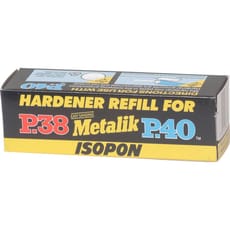
 Loading...
End of content
Error - No more pages to load
About Bodywork Fillers & Chemicals
Bodywork fillers and chemicals are essential materials for vehicle repair, restoration, and automotive refinishing work. This category features a comprehensive range of products from trusted brands including UPO's renowned Isopon range and Sealey professional tools. From easy-sanding body fillers and glass fibre repair systems to hardeners, mixing palettes, and application spreaders, MyToolShed.co.uk stocks everything needed for professional-quality bodywork repairs.
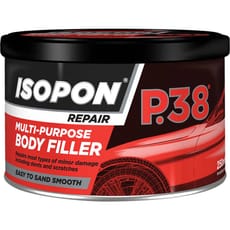
Whether repairing shallow dents with standard body filler, reinforcing structural damage with fastglas resin systems, or filling larger holes with glass fibre repair paste, these specialist materials deliver excellent adhesion, minimal shrinkage, and superior workability. Products like Isopon P38 easy-sanding filler and P40 glass fibre paste are formulated to provide durable, long-lasting results that stand up to daily use whilst being easy to sand and finish for professional-standard bodywork restoration.
Applications
Bodywork fillers and chemicals are used across various automotive repair and restoration applications:
- Panel Beaters & Body Shop Technicians – Daily insurance repairs and professional vehicle restoration
- Classic Car Restorers – Vintage and collectible vehicle bodywork renovation
- Mobile Smart Repair Specialists – Minor dent and scratch repairs at customer locations
- Motor Vehicle Mechanics – Cosmetic bodywork repairs alongside mechanical servicing
- DIY Enthusiasts – Home automotive repairs to save on professional costs
- Motorcycle Repair Technicians – Damaged fairing and bodywork component restoration
- Marine Repair Specialists – Fibreglass boat hull and marine equipment repairs
- Auto Body Apprentices – Training and educational vehicle repair work
Choosing The Right Bodywork Fillers & Chemicals
Damage Type: Standard easy-sanding body fillers suit shallow dents and surface imperfections, whilst glass fibre repair systems like Isopon Fastglas handle larger holes, rust damage, and structural repairs requiring reinforced strength.
Material Compatibility: Most fillers work on steel and aluminium panels, but check suitability for plastic or fibreglass components. Glass fibre repair pastes combine reinforcement strength with convenient paste application.
Working Time: Consider cure speed when selecting products. Hardener mixing ratios affect working time—more hardener speeds curing but reduces application time. Beginners should work with smaller batches to avoid waste.
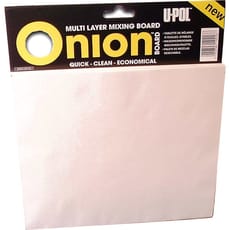
Finish Requirements: Easy-sanding formulations significantly reduce preparation effort. Quality application spreaders in various widths and proper mixing palettes ensure thorough, lump-free mixing for professional results.
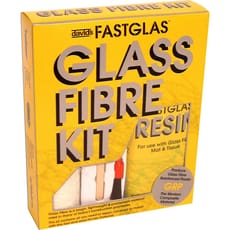
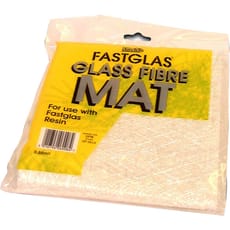
Complete Systems: MyToolShed.co.uk offers complete Isopon Fastglas kits including resin, matting, and hardener in one package, ensuring compatibility and eliminating guesswork about product selection.
Safety Information
Always wear chemical-resistant gloves, safety glasses, and respiratory protection when mixing and sanding fillers. Dust created during sanding can be harmful if inhaled. Work in well-ventilated areas—fillers and resins release fumes during mixing and curing. Follow COSHH regulations, maintain safety data sheets, and conduct appropriate risk assessments. Store products in cool, dry conditions away from ignition sources. Avoid direct skin contact with uncured materials and dispose of waste according to local authority hazardous waste guidelines.
Frequently Asked Questions
What's the difference between standard body filler and glass fibre repair paste?
Standard body fillers like Isopon P38 are ideal for shallow dents and surface imperfections, offering easy application and sanding. Glass fibre repair pastes contain fibreglass strands for reinforced strength, making them suitable for larger holes and areas requiring structural integrity.
How long does body filler take to cure before sanding?
Curing time typically ranges from 20-30 minutes at room temperature, depending on hardener ratio and ambient conditions. The filler should be firm to the touch before sanding begins. Avoid applying excessive hardener to speed curing, as this can cause brittleness and poor adhesion.
Can I apply body filler directly over rust?
No, rust must be completely removed before applying filler. Remove all rust by grinding or sanding back to bare metal, then treat with rust converter or etch primer before applying filler for lasting results that won't fail due to continuing corrosion.