
Blow Torches
Pay in 3 interest-free payments on purchases from £30-2000 with  . Learn more.
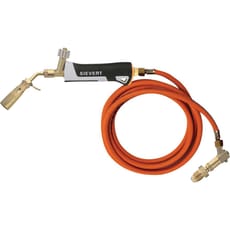
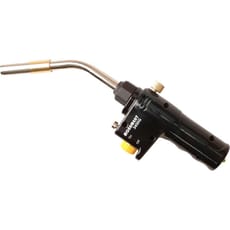
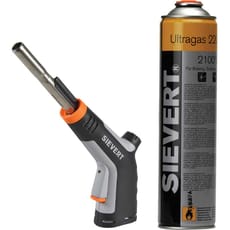
 Loading...
End of content
Error - No more pages to load
About Blow Torches
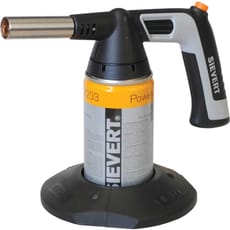
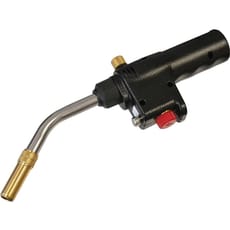
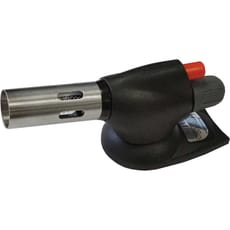
Blow torches are essential heat-generating tools used across numerous trades and applications, from plumbing and roofing to jewellery making and culinary finishing. These versatile devices produce a focused, high-temperature flame by combining fuel gas with oxygen, enabling precise heat application for tasks including soldering copper pipes, brazing metal joints, paint stripping, thawing frozen pipes, and heat-shrinking materials. MyToolShed.co.uk stocks an extensive range from trusted manufacturers including Sievert, Sealey, Rothenberger, Draper, and Faithfull, covering everything from compact micro butane torches for delicate work to heavy-duty propane and MAPP gas models designed for professional applications.
Modern blow torches incorporate advanced features such as piezo auto-ignition systems for safe, convenient operation, precision flame control valves, anti-flare technology, and ergonomic grips for extended use. Available options range from self-contained handheld units with integrated cartridges to professional torch heads accepting standard CGA600 fittings or refillable cylinders. Specialist models like the Draper GT9 Flameless Gas Torch cater for sensitive environments, whilst high-temperature torches using MAPP gas deliver temperatures up to 1,950°C for brazing and working with harder metals.
Applications
Blow torches serve essential functions across multiple trades and industries:
- Plumbers and Heating Engineers: Soldering copper pipe joints, brazing fittings, thawing frozen pipes, and removing old components during maintenance work
- Roofers: Applying torch-on roofing felt, heating bitumen, and sealing roofing membranes
- Electricians: Heat-shrinking cable joints and terminations, removing insulation, and soft soldering electrical connections
- Vehicle Body Technicians: Paint stripping, loosening seized bolts, plastic welding, and warming materials for better adhesion
- Jewellers and Silversmiths: Precision soldering, annealing metals, and brazing delicate components
- Chefs and Caterers: Caramelising sugar toppings and adding professional finishing touches to dishes
- Decorators: Stripping paint and varnish, softening old putty for window repairs
- DIY Enthusiasts: Home plumbing projects, craft work, and general repairs requiring controlled heat application
Choosing The Right Blow Torches
Fuel Type: Butane torches like the Sealey micro models offer portability for precision work, whilst propane provides more power for general trades. MAPP gas torches deliver the highest temperatures for brazing and harder metals.
Heat Output: Match BTU ratings to your applications. Micro torches (2,500-5,000 BTU) suit electronics and jewellery, medium-duty models (17,000-30,000 BTU) handle most plumbing tasks, whilst heavy-duty torches (100,000+ BTU) tackle roofing felt and large-diameter pipework.
Ignition System: Auto-start piezo ignition models from brands like Faithfull eliminate the need for separate lighters, offering maximum convenience and safety when working on ladders or in confined spaces.
Portability: Self-contained torch kits suit mobile work, whilst professional tradespeople may prefer separate torch heads connecting to larger, more economical gas bottles for workshop operations.
Safety Features: Look for anti-flare technology, flame lock mechanisms, heat shields, and stable bases. These features significantly reduce accident risk and support HSE compliance on professional job sites.
Safety Information
Blow torches require strict safety protocols due to pressurised flammable gas and open flames. Always work in well-ventilated areas and check all connections for leaks using soapy water—never use a flame to test for leaks. Keep a suitable fire extinguisher rated for gas fires within easy reach. When working on plumbing systems, ensure pipes are drained and use heat-resistant mats to protect surrounding surfaces from combustible materials. Never leave a lit torch unattended.
Wear appropriate PPE including safety glasses with side shields and heat-resistant gloves. Store gas cylinders upright in cool, well-ventilated locations away from ignition sources and direct sunlight. Regularly inspect your torch for damaged hoses, worn seals, or malfunctioning valves, replacing damaged components immediately. Always follow the manufacturer's maintenance schedule and never use incompatible gas types.
Frequently Asked Questions
What's the difference between propane, butane, and MAPP gas torches?
Butane torches are compact and ideal for fine work but struggle below 0°C. Propane works reliably in cold weather with higher heat output suitable for plumbing and general trade use. MAPP gas burns hottest (approximately 1,950°C compared to propane's 1,400°C), making it essential for brazing hard metals and applications requiring extreme temperatures. Choose based on your typical applications and working environment.
Can I use any gas cylinder with my blow torch?
No—always use the specific gas type and connection fitting recommended by the manufacturer. Torches designed for CGA600 fittings require compatible cartridges. Using incorrect gas types or forcing incompatible fittings creates serious safety hazards including leaks and pressure issues. Check your torch's specifications at MyToolShed.co.uk and only use appropriate, approved gas supplies.
Why won't my piezo ignition work on my blow torch?
Several factors can prevent piezo ignition: the electrode may be dirty or incorrectly positioned (clean with wire wool and adjust), moisture may have entered the mechanism (allow to dry thoroughly), or the piezo crystal may have failed after extensive use. Ensure gas flow is correct—too much or too little prevents ignition. As a temporary solution, use a striker igniter whilst arranging repair or replacement.