

Biscuit & Dowel Jointers
Pay in 3 interest-free payments on purchases from £30-2000 with  . Learn more.
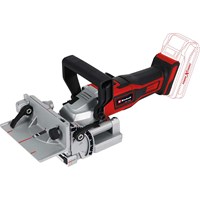
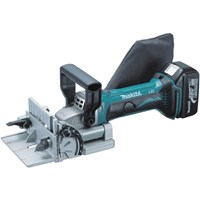
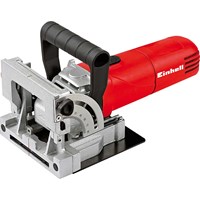
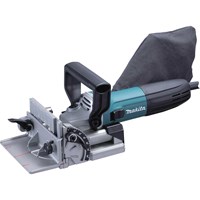
 Loading...
End of content
Error - No more pages to load
About Biscuit & Dowel Jointers
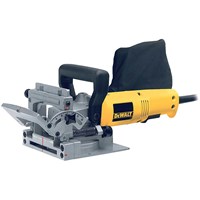
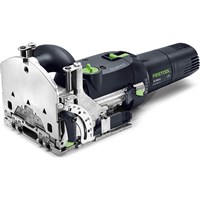
Biscuit and dowel jointers are precision woodworking power tools that create strong, invisible joints in timber, board materials, and worktops. Biscuit jointers use a circular blade to cut crescent-shaped slots for compressed beech biscuits, whilst dowel jointers drill perfectly aligned holes for wooden dowel pins. Both systems deliver professional-quality joinery far faster than traditional mortise and tenon methods, making them essential for cabinetmaking, furniture construction, and carpentry projects.
MyToolShed.co.uk stocks a comprehensive range including corded electric biscuit jointers, cordless battery-powered models, and specialised dowel jointing systems. Whether you're assembling kitchen carcasses, joining solid wood panels, or installing worktops, these tools provide exceptional strength and accuracy with minimal visible fixings. Available from trusted brands with options suitable for both professional workshops and serious DIY enthusiasts.
Applications
- Cabinet Makers and Kitchen Fitters: Assembling carcasses, joining panels, and creating invisible joints in fitted furniture
- Carpenters and Joiners: General joinery work, door frames, and timber construction projects
- Furniture Manufacturers: Production joinery for tables, chairs, wardrobes, and wooden furniture items
- Worktop Installers: Creating seamless joins in solid wood, laminate, and composite worktops
- Shopfitters: Assembling display units, shelving systems, and retail furniture installations
- DIY Enthusiasts: Home workshop projects requiring professional-standard joinery and furniture making
Choosing The Right Biscuit & Dowel Jointers
Power Source: Corded 240v models deliver consistent power ideal for workshop environments, whilst cordless 18V versions offer flexibility for site work and installations without nearby power sockets. Consider battery platform compatibility if you already own tools from brands like Makita, DeWalt, or Milwaukee.
Motor Power and Speed: Professional models typically feature 600-900W motors with blade speeds of 10,000-11,000rpm for clean cuts through hardwoods and engineered boards. Budget options suit occasional softwood use.
Fence Quality: Look for robust metal construction with clear measurement scales and micro-adjustment capabilities. Tilting fences (0-90 degrees) enable mitred joints for corners and picture frames.
Depth Settings: Multiple preset positions for different biscuit sizes (0, 10, and 20) save time and ensure accuracy. Professional models often offer six or seven positions with continuous adjustment.
Dust Extraction: Models with proper extraction ports (typically 35mm diameter) connect to workshop vacuum systems for cleaner, healthier operation—essential for professional environments.
Budget Considerations: MyToolShed.co.uk offers capable DIY models from £80-150 and professional-grade tools from £200-500+, with brands like Bosch, Makita, and DeWalt providing superior reliability for daily use.
Safety Information
Always wear safety glasses to protect against wood chips ejected during plunge cuts. Use a dust mask or respirator, particularly when working with MDF or treated timber, as fine dust poses respiratory hazards. Secure workpieces firmly with clamps before operating—movement during plunging can cause inaccurate cuts or kickback. Keep hands clear of the blade exit point and allow the blade to stop completely before setting down. Disconnect from power or remove batteries when changing blades or performing maintenance. Inspect cables regularly on corded models and ensure compliance with UK electrical standards.
Frequently Asked Questions
What's the difference between a biscuit jointer and a dowel jointer?
Biscuit jointers cut crescent-shaped slots for compressed beech biscuits, offering faster assembly with lateral adjustment during glue-up. Dowel jointers drill round holes for wooden pins, providing excellent strength for edge-to-edge connections. Many professionals use both depending on the specific joinery requirement.
Can I use a biscuit jointer for worktop installation?
Yes, biscuit jointers are commonly used for joining solid wood, laminate, and composite worktops. Size 20 biscuits combined with proper adhesive and connector bolts provide sufficient strength. Space multiple biscuits approximately 150-200mm apart along the joint length for optimal results.
What size biscuits should I use for different materials?
Size 0 suits thin materials (12-15mm) like drawer components. Size 10 works well for standard 18mm cabinet panels and general furniture. Size 20 is preferred for thicker materials (25mm+) and worktops requiring maximum strength. Use the largest biscuit that fits whilst maintaining at least 3-4mm clearance from each face.