

Bench Vices
Pay in 3 interest-free payments on purchases from £30-2000 with  . Learn more.
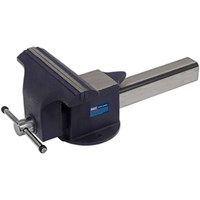
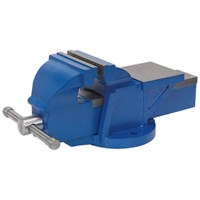
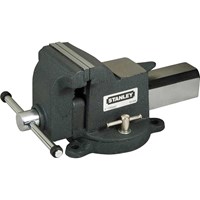
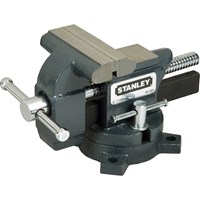
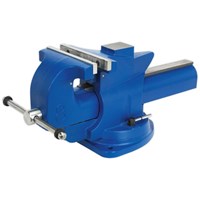
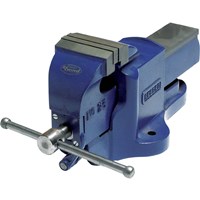
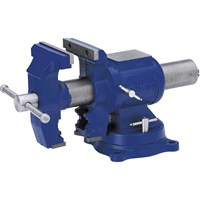




 Loading...
End of content
Error - No more pages to load
About Bench Vices
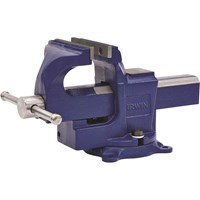
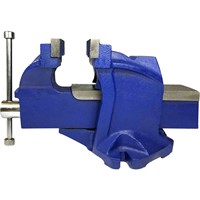
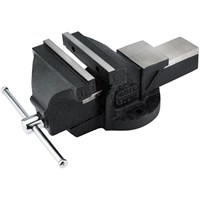
A bench vice is an essential workholding tool for any professional workshop or home garage, providing a secure and stable way to grip workpieces whilst you cut, file, drill, sand or shape them. These robust mechanical devices clamp onto your workbench and feature two parallel jaws – one fixed and one moveable – operated by a screw mechanism that allows you to tighten or release the grip with precision and considerable force. Whether you're a seasoned tradesperson or a DIY enthusiast, a quality bench vice transforms your workspace into a versatile holding station for countless tasks.
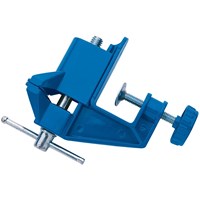
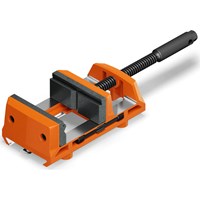
MyToolShed.co.uk stocks a comprehensive range of bench vices including traditional cast iron engineers' vices built for heavy-duty metalwork, lighter hobby and craft vices for delicate projects, portable clamp-on models for temporary installations, and specialised designs such as vacuum vices and magnetic vices. Leading manufacturers including Record, Draper, Sealey, Stanley, Bessey and Fein offer vices in various jaw widths – typically ranging from compact 50mm models up to substantial 150mm versions – each designed to meet different workshop requirements and budget considerations.
Applications
Bench vices are indispensable tools across numerous trades and applications:
- Metal Fabricators and Welders – for securely holding steel, aluminium and other metals during cutting, drilling, grinding and welding operations
- Engineers and Machinists – for precision work on components, filing, deburring and assembly tasks in workshop environments
- Woodworkers and Joiners – for holding timber, particularly when working with hand tools such as saws, chisels and planes
- Mechanics and Vehicle Technicians – for gripping components during repair, maintenance and modification work
- Plumbers and Heating Engineers – for securing pipework whilst cutting threads, making joints or bending conduit
- Electricians – for holding cable, preparing terminations and modifying metalwork or junction boxes
- Jewellers and Craft Workers – using smaller hobby vices for delicate precision work on miniature components
- DIY Enthusiasts – for general household repairs, maintenance projects and hobby activities
Choosing The Right Bench Vices
Jaw Width and Capacity: Select a jaw width appropriate to your typical workpiece size. For general DIY and light trade work, a 75-100mm vice provides excellent versatility. Professional metalworkers often prefer 125-150mm models for larger components, whilst hobbyists may find 50-75mm vices perfectly adequate.
Construction and Weight: Cast iron engineers' vices offer superior durability and vibration damping for heavy-duty metalwork, with weights typically ranging from 5kg to over 20kg. Lighter pressed steel or aluminium vices suit portable applications and lighter-duty work. Heavier vices provide better stability during aggressive filing or sawing operations.
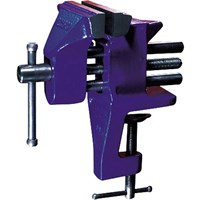
Mounting Style: Permanent bench-mounted vices bolt directly through your workbench and provide maximum stability. Clamp-on models attach temporarily using a screw clamp mechanism, ideal for occasional use. Vacuum vices use suction pads for quick positioning on smooth surfaces, whilst magnetic vices attach to steel benches or machine tables.
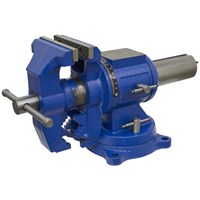
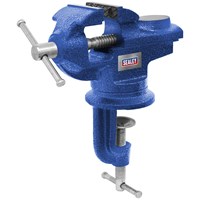
Base Configuration: Fixed-base vices maintain constant orientation, suitable where you always work from the same position. Swivel-base models rotate through 360 degrees, offering improved ergonomics and reducing the need to reposition workpieces. MyToolShed.co.uk stocks both configurations to suit different workshop requirements.
Safety Information
Secure Installation: Always mount bench vices according to manufacturer instructions using appropriately sized fixings that penetrate through your workbench into solid timber or substantial steel framework beneath. Check mounting bolts periodically and retighten as necessary.
Eye Protection: Always wear appropriate safety glasses or goggles when working at a bench vice, particularly during filing, grinding, drilling or cutting operations which generate flying debris and metal particles.
Correct Clamping Practice: Position workpieces as low in the jaws as practical to maximise grip. Never exceed the vice's capacity or use extension tubes on the handle to gain additional leverage – this can crack cast iron bodies or strip screw threads.
Frequently Asked Questions
What size bench vice do I need for general workshop use?
For most home workshops and general trade applications, a vice with 100mm (4-inch) jaw width provides excellent versatility, offering sufficient capacity for typical metalwork, woodwork and maintenance tasks whilst remaining compact enough for smaller benches. Professional engineers working with larger components often prefer 125-150mm models, whilst hobbyists may find 75mm vices perfectly adequate for lighter-duty work.
Should I choose a fixed or swivel base bench vice?
Swivel base vices offer greater flexibility by allowing 360-degree rotation, which proves invaluable when working on components from multiple angles or when several people share the same bench. For dedicated metalworking positions where you always work from the same direction, a fixed base provides maximum stability. For general workshop use and varied tasks, a swivel base significantly improves ergonomics and efficiency.
How do I prevent damaging workpieces in my bench vice?
Protect finished surfaces and soft materials by fitting soft jaw covers made from aluminium, copper, rubber, wood or leather over the serrated steel jaws. Magnetic soft jaws attach quickly for frequent changes, whilst bolt-on versions provide permanent protection. Apply only sufficient clamping force to secure the work – excessive tightening can distort thin materials or leave permanent jaw marks.