

Bench Stones
Pay in 3 interest-free payments on purchases from £30-2000 with  . Learn more.

 Loading...
End of content
Error - No more pages to load
About Bench Stones
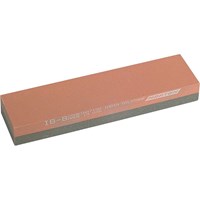
Bench stones are essential sharpening tools used by tradespeople and DIY enthusiasts to restore and maintain the cutting edges of chisels, plane blades, knives, and other hand tools. These flat, rectangular blocks of abrasive material sit securely on a workbench whilst you draw the tool blade across their surface at a controlled angle. MyToolShed.co.uk stocks a comprehensive range of bench stones from trusted manufacturers including Faithfull, Norton, Draper, and Stanley, offering various grit grades and abrasive materials to suit every sharpening requirement.
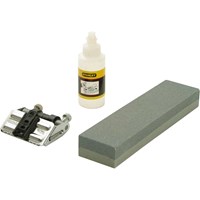
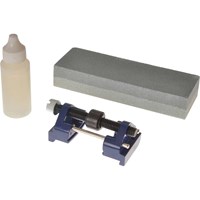
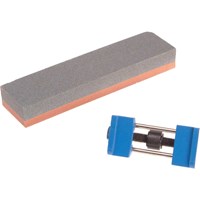
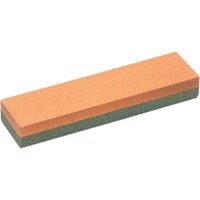
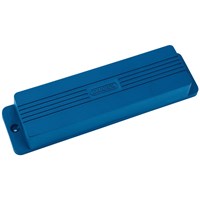
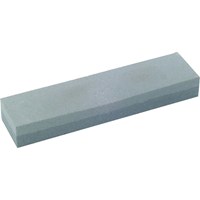
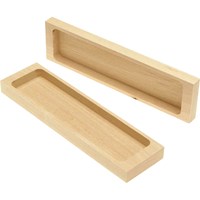
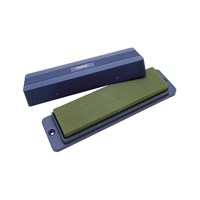
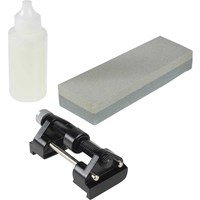
Most bench stones are oilstones – the traditional choice in British workshops – which use honing oil as a lubricant to carry away metal particles and prevent clogging. Common materials include aluminium oxide (India stones) and silicon carbide, often available as combination stones featuring different grit grades on each face. Many products come supplied in protective boxes that double as non-slip bases during use, whilst complete sharpening kits include honing guides to maintain consistent bevel angles for professional results.
Applications
Bench stones are used across numerous trades and applications, including:
- Carpenters and joiners maintaining chisels, plane blades, and marking knives for precision woodworking
- Cabinetmakers requiring razor-sharp tools for fine furniture work and intricate joinery
- Site carpenters keeping tools sharp for first and second fix carpentry
- Woodturners sharpening bowl gouges, spindle gouges, and scraping tools
- Kitchen fitters maintaining scribing tools and hand planes for worktop installation
- Stone masons sharpening carving chisels and masonry tools
- General maintenance teams in workshops, schools, and facilities management
- DIY enthusiasts committed to proper tool care and achieving professional results
- Gardeners sharpening pruning tools, garden knives, and hoes
Choosing The Right Bench Stones
Stone Material: Aluminium oxide (India stones) offers excellent all-round performance for general workshop use, providing good cutting speed and durability at reasonable cost. Silicon carbide stones cut faster but wear more quickly, making them suitable for heavy sharpening tasks.
Grit Selection: For general tool maintenance, a combination stone with medium (220-400) and fine (800-1000) faces provides the most versatility. If you regularly work with damaged or extremely dull tools, consider a separate coarse stone (100-220 grit).
Stone Size: Larger stones (200mm x 50mm or bigger) offer more usable surface area and work better for plane blades and longer chisels. Consider your most commonly used tools when selecting stone dimensions.
Complete Kits vs Individual Stones: Starter kits from brands available at MyToolShed.co.uk typically include a combination stone, honing guide, and oil – providing everything needed to begin sharpening immediately. These represent excellent value for those new to tool sharpening.
Frequently Asked Questions
Do I need to use oil with my bench stone?
Yes, if you have an oilstone (the most common type in the UK). Apply a thin layer of proper honing oil before use to lubricate the surface and carry away metal particles. Never use motor oil or general lubricants, as these can clog the stone.
What's the difference between coarse and fine grit stones?
Coarse grits (100-400) remove metal quickly for repairing damaged edges or tackling very dull tools. Fine grits (800-6000) remove material slowly but create smoother, sharper edges suitable for precision cutting. Most users need both for complete tool maintenance.
How long will a bench stone last?
A quality oilstone from manufacturers like Norton, Faithfull, or Stanley will provide decades of service with proper care. The stone will gradually wear but this is a very slow process. Regular cleaning and occasional flattening will maximise lifespan and maintain sharpening performance.