
Bench Planes

Pay in 3 interest-free payments on purchases from £20-£3000 with  . Learn more.
 Loading...
End of content
Error - No more pages to load
About Bench Planes
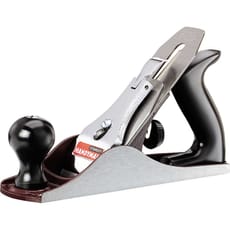
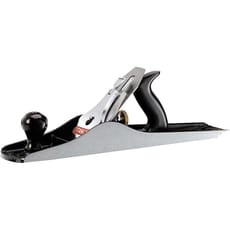
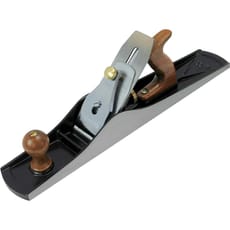
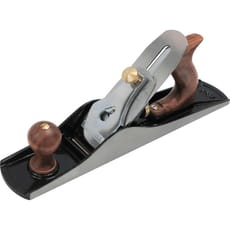
Bench planes are essential hand tools for woodworkers, designed to smooth, flatten and shape timber surfaces with precision. These traditional tools produce fine shavings whilst offering superior control compared to power sanders, making them indispensable for joiners, cabinet makers and DIY enthusiasts alike. MyToolShed.co.uk stocks quality bench planes in the classic numbered sizes – from the compact No. 3 finishing plane through to the extended No. 7 jointer plane – each engineered for specific woodworking tasks.
The range includes trusted models from Stanley and Faithfull, featuring cast iron bodies, hardened steel cutting irons and precision adjustment mechanisms. Whether you're fitting doors, creating flat panels for furniture making, or achieving glass-smooth finishes on bespoke joinery, these timeless tools deliver results that power equipment often cannot match, with minimal dust and noise.
Applications
- Joiners and Carpenters – fitting doors, creating flush surfaces and precision site work
- Cabinet Makers – flattening panels and achieving superior finishes on fine furniture
- Shopfitters – on-site adjustments and bespoke joinery fitting
- Furniture Restorers – sympathetic restoration of antique pieces
- Luthiers – precision thicknessing and shaping of instrument tone woods
- Pattern Makers – creating accurate wooden patterns and templates
- DIY Enthusiasts – home improvement projects and general woodworking
- Wood Turners – preparing blanks and flattening surfaces before turning
Choosing The Right Bench Planes
Plane Size: For general purpose work, a No. 4 smoothing plane (approximately 250mm) serves as an excellent starting point and remains the most popular choice. The No. 5 jack plane offers greater versatility for both stock removal and finishing. For flattening longer boards or edge jointing, consider the No. 6 fore plane (460mm) or No. 7 jointer plane (560mm) – their extended sole lengths bridge undulations effectively, ensuring perfectly straight results.
Build Quality: Look for accurately machined cast iron bodies that provide the weight and stability needed for consistent performance. Check that the sole is flat and adjustment mechanisms operate smoothly. MyToolShed.co.uk stocks both Stanley and Faithfull planes, offering reliable options with quality blade steel and precise manufacturing tolerances.
Intended Use: If investing in one plane initially, a No. 5 jack plane provides excellent all-round capability. For dedicated smoothing work on smaller components, choose a No. 4, whilst serious board flattening and edge jointing demand the longer No. 6 or No. 7 models. Consider blade quality and the availability of replacement irons for long-term value.
Frequently Asked Questions
Which bench plane should I buy first?
For most woodworkers, a No. 4 smoothing plane or No. 5 jack plane makes the best first purchase. The No. 4 excels at finishing work and fits comfortably in most hands, whilst the No. 5's versatility suits both stock removal and smoothing tasks. If you primarily work with longer boards or need to joint edges, consider starting with a No. 6 fore plane.
How do I know when my plane needs sharpening?
A sharp plane produces thin, continuous shavings with minimal effort. Signs requiring sharpening include: excessive pressure needed, producing dust rather than shavings, tearing grain instead of cutting cleanly, or leaving rough surface finishes. Regular honing after a few hours of use maintains peak performance and prevents blades becoming severely dulled.
Can bench planes work with all timber types?
Quality bench planes handle most timber species from softwoods like pine to hardwoods such as oak and walnut. Very hard exotic timbers or highly figured grain may require careful setup with a tight mouth setting and freshly sharpened blade. Always plane with the grain direction where possible to minimise tear-out and achieve the best results.