

Bench Drills
Pay in 3 interest-free payments on purchases from £30-2000 with  . Learn more.
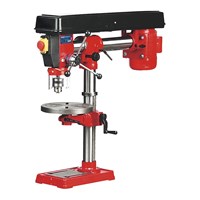
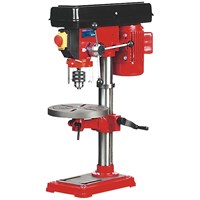
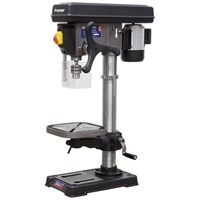
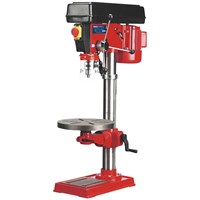
 Loading...
End of content
Error - No more pages to load
About Bench Drills
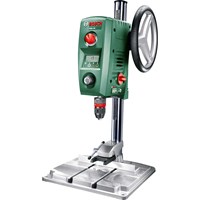
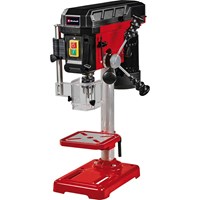
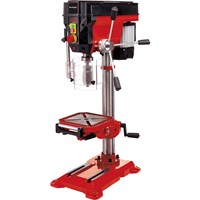
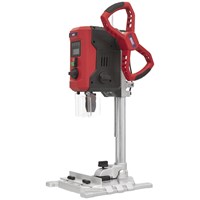
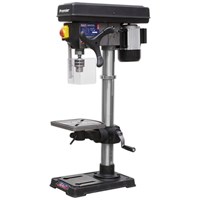
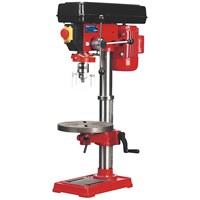
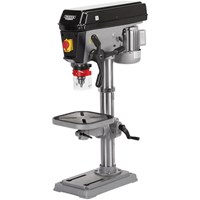
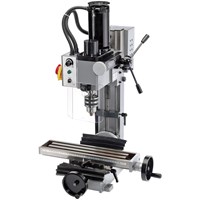
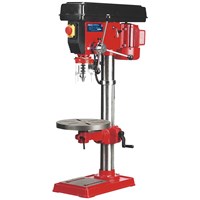
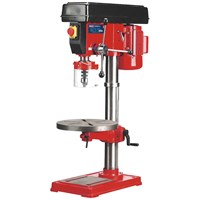
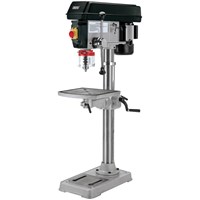
A bench drill, also known as a pillar drill or drill press, is an essential workshop machine that delivers precision drilling accuracy impossible to achieve with handheld tools. Designed to be securely mounted to a workbench, these machines feature a vertical column supporting a motorised drill head that lowers with controlled pressure onto the workpiece. Whether you're drilling consistent hole depths, creating perfectly perpendicular holes, or working with materials requiring steady pressure, a bench drill transforms challenging handheld operations into straightforward, repeatable tasks.
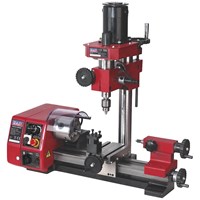
MyToolShed.co.uk stocks bench drills from trusted manufacturers including Sealey, Draper, Einhell, and Bosch, ranging from compact 5-speed models ideal for DIY enthusiasts and woodworkers, through to heavy-duty 16-speed machines capable of metalworking applications. With throat depths from benchtop units to larger 180mm capacity machines, and features including variable speed digital displays, radial arm capability, and specialist milling combinations, there's a bench drill to suit every workshop requirement.
Applications
Bench drills are invaluable across a wide range of trades and applications:
- Woodworkers and Joiners: Precision dowel holes, shelf pin drilling, and accurate mortising work
- Metal Fabricators and Engineers: Drilling consistent holes in steel, aluminium, and other metals with proper speed control
- Model Makers and Hobbyists: Creating precise small-diameter holes in various materials for detailed projects
- Maintenance Engineers: Workshop repairs requiring accurate drilling in components and machinery parts
- DIY Enthusiasts: Home workshop tasks from furniture making to general repairs
- Educational Workshops: Schools, colleges, and training centres teaching practical engineering and woodworking skills
- Automotive and Motorcycle Mechanics: Drilling bolt holes, modifications, and repairs to metal components
- Electronics Workers: Creating precise mounting holes in enclosures and panels
Choosing The Right Bench Drills
Intended Materials: For primarily wood and plastics, a 5-speed entry-level model from Einhell or Draper will suffice. For metalworking, invest in a more powerful machine with at least 12-16 speeds like the Sealey GDM120B, offering the lower RPM settings essential for drilling steel without destroying bits.
Power and Motor Size: Motor power typically ranges from 350W on basic models up to 750W or more on heavy-duty machines. Greater power means drilling larger diameter holes and working with harder materials without the motor bogging down.
Speed Range: Multi-speed models use stepped pulley systems requiring manual belt changes, whilst variable speed machines like the Sealey PDM10B offer convenient dial adjustment. Consider whether the convenience justifies the additional cost for your applications.
Chuck Capacity and Throat Depth: A 13mm chuck handles most general drilling tasks, but a 16mm chuck provides versatility for bigger bits. Throat depth determines how far from an edge you can drill—essential for large panels or sheet materials.
Build Quality: Cast iron construction provides superior vibration dampening and longevity compared to pressed steel. Heavier machines are generally more stable and rigid, reducing vibration and improving accuracy.
Safety Information
Never wear gloves when operating a bench drill—loose material can become caught in the rotating chuck, pulling your hand into the machine. Avoid loose clothing, jewellery, and ensure long hair is tied back securely.
Eye protection is mandatory at all times. Flying swarf, wood splinters, and broken drill bits can cause serious eye injuries. Always wear safety glasses or a face shield.
Secure workpieces properly using a drill press vice or clamps. Never hand-hold work, especially when drilling metal—the bit can grab the workpiece and spin it violently, causing injury.
Ensure your machine is correctly earthed and connected to a suitable 240V UK power supply. Always bolt your bench drill securely to a sturdy workbench—an unsecured drill can tip or move during operation.
Frequently Asked Questions
What's the difference between a bench drill and a pillar drill?
The terms are often used interchangeably in the UK. Technically, a bench drill is designed to be mounted on a workbench, whilst a pillar drill typically refers to a larger floor-standing model. Both operate on the same principle with a vertical column supporting a motorised drill head.
How do I know what speed to use for different materials?
As a general rule, harder materials require slower speeds whilst softer materials can be drilled at higher speeds. For steel, use lower speeds (around 500-1000 RPM), for aluminium medium speeds (1500-2500 RPM), and for wood higher speeds (2000-3000+ RPM). Larger diameter bits also require slower speeds than smaller bits.
Can I use my bench drill for metalworking if it only has 5 speeds?
It depends on the materials and hole sizes involved. Entry-level 5-speed models can handle softer metals like aluminium and thin mild steel with smaller bits, but they're not ideal for extensive metalworking. For regular metal drilling, especially harder steels or larger diameter holes, MyToolShed.co.uk recommends investing in a more powerful model with 12-16 speeds.