

Bead & Reed Bits
Pay in 3 interest-free payments on purchases from £30-2000 with  . Learn more.
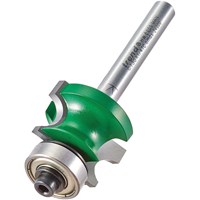
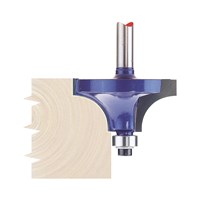
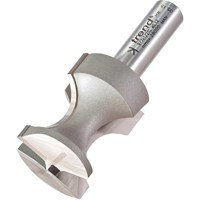
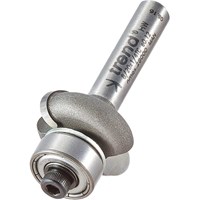

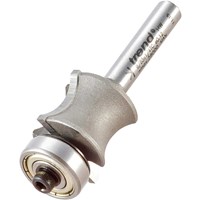

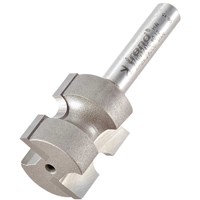
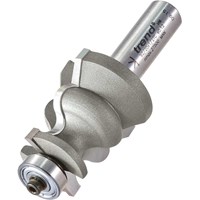
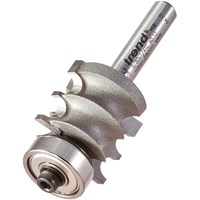
 Loading...
End of content
Error - No more pages to load
About Bead & Reed Bits
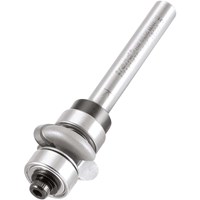
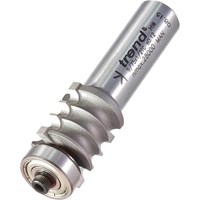
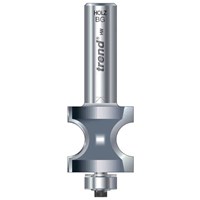
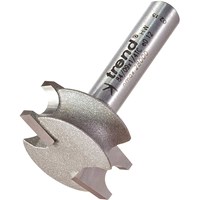
Bead and reed router bits are specialised profiling cutters designed to create elegant decorative edges and mouldings on timber. These bearing-guided router bits produce classic architectural details, from simple rounded beads to complex multi-reed profiles, making them essential tools for cabinetmakers, joiners, and restoration specialists. Whether you're crafting skirting boards, architraves, panelling, or bespoke furniture, these precision cutters deliver professional results with clean, consistent profiles.
MyToolShed.co.uk stocks premium bead and reed router bits from industry-leading brands including Trend and Draper, offering a comprehensive range of profiles to suit various applications. From corner beads and sunk beads to staff beads and multi-reed designs, these tungsten carbide-tipped (TCT) bits maintain their cutting edge through extensive use. Available in different shank sizes to fit standard routers, these bearing-guided cutters ensure accurate tracking along edges and templates, delivering crisp, tear-out-free profiles on both hardwoods and softwoods.
Applications
Bead and reed router bits are used across a wide range of woodworking trades and projects:
- Joiners and cabinetmakers creating decorative profiles on furniture, fitted kitchens, and bespoke joinery
- Carpenters and chippies installing traditional skirting boards, architraves, and door frames with period-appropriate detailing
- Restoration specialists matching existing mouldings and profiles in listed buildings and heritage renovation projects
- Shopfitters producing decorative trim work and architectural details for retail and commercial interiors
- Staircase manufacturers creating handrails, newel posts, and balustrade components with traditional profiles
- Window and door manufacturers machining staff beads and decorative details for timber joinery products
- DIY enthusiasts adding professional finishing touches to home improvement and furniture-making projects
Choosing The Right Bead & Reed Bits
Profile type: Consider the aesthetic you're aiming to achieve. Simple corner beads suit contemporary designs, whilst multi-reed and staff bead profiles are ideal for period restoration. Sunk beads work well on panel doors and drawer fronts, whilst radius sunk beads provide softer, more subtle detailing.
Shank diameter: Match the shank size to your router collet – typically 6.35mm (1/4") or 12.7mm (1/2") in the UK. Larger diameter shanks provide better stability and reduced vibration, particularly important when routing hardwoods or working with larger profile cutters.
Bearing quality: High-quality sealed bearings ensure smooth operation and accurate tracking. Check that the bearing diameter is appropriate for your intended application to achieve the correct cutting depth and detail placement.
Cutter diameter and depth: Ensure the profile dimensions suit your workpiece thickness and design requirements. Larger profile cutters may require multiple passes or a more powerful router to achieve clean cuts without burning.
Material compatibility: Premium TCT cutters handle both softwoods and hardwoods effectively. MyToolShed.co.uk stocks high-quality Trend bits that deliver clean, tear-out-free results even on exotic hardwoods.
Safety Information
Always wear appropriate safety glasses, hearing protection, and dust masks when routing – timber dust is a known carcinogen and falls under COSHH regulations. Ensure your router is unplugged before changing bits and always tighten collets securely. Feed workpieces against the direction of cutter rotation to maintain control and prevent kickback. Never start the router with the bit in contact with the workpiece. Inspect router bits regularly for damage or wear – damaged or blunt cutters are dangerous and produce poor results. Connect routers to dust extraction systems and ensure workpieces are securely clamped before operation.
Frequently Asked Questions
What's the difference between a bead and a reed profile?
A bead is typically a single rounded profile cut into timber, whilst a reed consists of multiple parallel beads creating a fluted effect. Bead profiles are more commonly used for edges and frames, whereas reed profiles often feature on decorative columns, furniture legs, and architectural details.
Can I use bead and reed bits in a standard power drill?
No, these bearing-guided router bits must only be used in proper routers operating at speeds between 18,000-24,000 RPM. Power drills lack the speed, stability, and control required for safe and effective profile cutting.
What router speed should I use for bead and reed profiles?
Most bearing-guided profile cutters work best at 18,000-22,000 RPM. Larger diameter cutters may benefit from slightly reduced speeds to prevent burning, particularly in hardwoods. Always consult the manufacturer's recommendations for specific cutter sizes.