

Automotive Diagnostic & Electrical Leads
Pay in 3 interest-free payments on purchases from £30-2000 with  . Learn more.
 Loading...
End of content
Error - No more pages to load
About Automotive Diagnostic & Electrical Leads
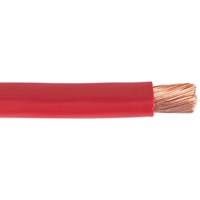
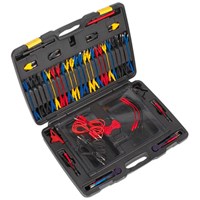
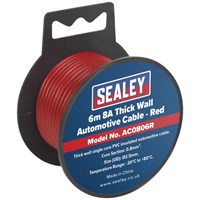
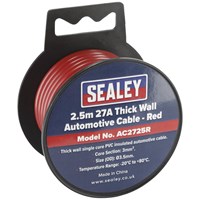
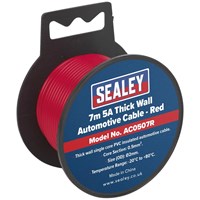
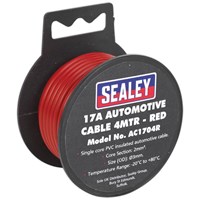
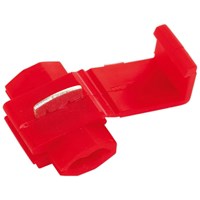
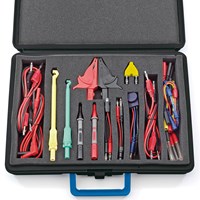
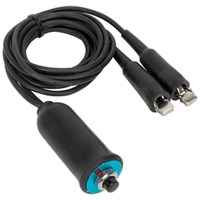
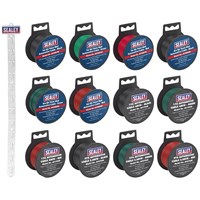
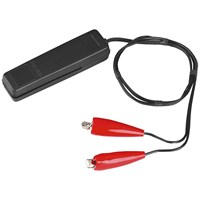
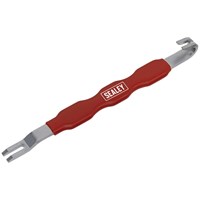
Automotive diagnostic and electrical leads are essential tools for anyone working on vehicle electrical systems, from professional auto electricians to DIY mechanics. MyToolShed.co.uk stocks a comprehensive range including diagnostic test lead kits with 28 or 90 pieces for circuit testing and troubleshooting, automotive wiring cable in various amperage ratings (5A, 8A, 17A, and 27A), heavy-duty 300A battery starter cables, and specialist accessories like quick splice connectors, remote starter switches, and electrical connector separators. Whether tracing an intermittent fault, testing 12V and 24V circuits, or installing new electrical components, having the right diagnostic leads ensures accurate readings and safe, reliable connections.
Quality automotive electrical leads are specifically designed to withstand demanding conditions including high current loads, vibration, temperature extremes, and exposure to oils and chemicals. Professional-grade products from manufacturers like Sealey and Draper Expert deliver the durability and accuracy required for workshop environments and mobile mechanics alike, featuring robust insulation, secure connectors, and appropriate current ratings for different automotive applications.
Applications
Automotive diagnostic and electrical leads at MyToolShed.co.uk are used by various professionals and enthusiasts:
- Auto Electricians – diagnosing and repairing vehicle electrical systems with comprehensive test equipment
- Mobile Mechanics – providing on-site repairs and roadside assistance with portable diagnostic tools
- MOT Testing Stations – conducting electrical system testing during vehicle inspections
- Vehicle Technicians – performing routine maintenance, repairs, and diagnostics on cars and light commercial vehicles
- HGV and Plant Maintenance Engineers – working on heavy goods vehicles and construction equipment with 24V systems
- Agricultural Engineers – maintaining farm machinery and tractors with complex electrical systems
- DIY Mechanics – performing home vehicle maintenance, modifications, and electrical fault-finding
- Recovery Services – requiring heavy-duty starter cables and diagnostic equipment for breakdowns
Choosing The Right Automotive Diagnostic & Electrical Leads
Determine Your Application – Consider whether you need diagnostic testing equipment, wiring cable for installations, or heavy-duty starter cables. Professional electricians benefit from comprehensive 90-piece diagnostic kits with multiple probe types for use with multimeters or oscilloscopes, whilst DIY users might start with a 28-piece test lead set and individual cable spools.
Check Current Ratings – Always select automotive cable with appropriate amperage ratings. Lighting circuits typically require 5A-8A cable, heated rear windows need 17A cable, and high-current accessories require 27A or higher. For battery starter cables, look for ratings of at least 300A for reliable jump-starting. Using underrated cable creates serious fire risks.
Consider Build Quality – Professional-grade leads feature reinforced insulation resistant to oils, chemicals, and temperature extremes. Look for flexible cable that remains pliable in cold conditions, secure connections that won't work loose with vibration, and robust probe tips that maintain good electrical contact.
Safety Information
Electrical Safety – Always disconnect the vehicle battery before working on electrical systems unless specifically testing live circuits. Starter motors and alternators can generate extremely high currents capable of causing severe burns or igniting flammable materials. Never wear jewellery when working on vehicle electrics.
Battery and Jump-Starting Safety – Exercise extreme caution when using battery starter cables. Incorrect connections can cause battery explosion or severe electrical arcing. Always connect positive to positive and negative to a suitable earth point, never directly to the negative terminal of a discharged battery.
Fire Prevention – Using undersized automotive cable creates serious fire risks. Always select cable with current ratings exceeding the expected load, and protect all circuits with appropriate fuses. Route cables away from hot exhaust components and sharp edges.
Frequently Asked Questions
What amperage automotive cable do I need for different applications?
The required cable amperage depends on the electrical load. Lighting circuits typically use 5A-8A cable, whilst heated rear windows need 17A cable. High-current accessories like spotlights or winches require 27A or higher. Always check the current draw of the device and select cable rated at least 25% above this figure for safety.
Can I use standard electrical wire for automotive applications?
No, always use automotive-specific cable for vehicle electrical work. Standard household 240v wire isn't designed for the vibration, temperature extremes, chemical exposure, and flexing that automotive environments demand. Automotive cable features stranded copper conductors for flexibility and specialised insulation resistant to oils and fuels.
What's the difference between a 28-piece and 90-piece diagnostic test lead kit?
Larger diagnostic kits include more probe types, longer extension leads, and additional adaptors for accessing different connector types. A 28-piece kit covers most common diagnostic tasks for DIY mechanics, whilst a 90-piece professional kit provides comprehensive coverage for varied vehicle types including specialist probes for piercing insulation and back-probing connectors without damage.