

Antifreeze Testers
Pay in 3 interest-free payments on purchases from £30-2000 with  . Learn more.
 Loading...
End of content
Error - No more pages to load
About Antifreeze Testers
Antifreeze testers are precision diagnostic instruments used to measure coolant concentration and effectiveness in vehicle cooling systems. These essential tools help mechanics, fleet managers, and DIY enthusiasts determine whether their coolant mixture provides adequate protection against freezing temperatures and overheating. By measuring the specific gravity or refractive index of antifreeze solutions, these testers accurately indicate freezing and boiling points, ensuring optimal engine protection throughout the year.
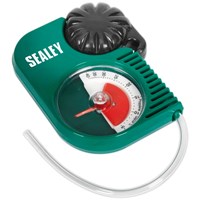
MyToolShed.co.uk stocks professional-grade antifreeze testers from trusted brands including Sealey and Draper. Available formats include disc-type testers with visual dial indicators, tube-type designs with floating balls, pocket ball testers for portability, and twin rotor models for enhanced accuracy. The range covers testers calibrated for both ethylene glycol and propylene glycol coolants, the two primary antifreeze formulations used across UK automotive and commercial vehicle applications.
Applications
- Motor mechanics and automotive technicians - routine servicing and cooling system diagnostics
- Mobile mechanics - portable testing for on-site vehicle maintenance
- Fleet maintenance managers - commercial vehicle, lorry, and van fleet management
- HGV and commercial vehicle technicians - heavy vehicle cooling system maintenance
- Plant and agricultural mechanics - servicing tractors, harvesters, and heavy machinery
- MOT testing stations - comprehensive vehicle safety inspections
- Car dealerships and service centres - customer vehicle maintenance programmes
- DIY enthusiasts and home mechanics - personal vehicle maintenance and seasonal preparation
Choosing The Right Antifreeze Testers
First, identify which coolant type you'll be testing. Ethylene glycol testers suit most conventional automotive applications, whilst propylene glycol testers are necessary for vehicles using this less toxic alternative formulation. Professional workshops often benefit from stocking both types.
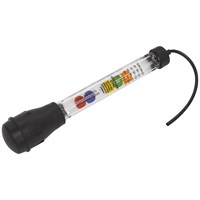
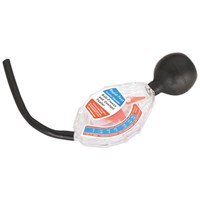
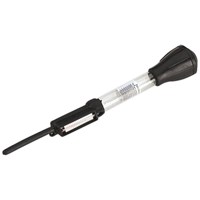
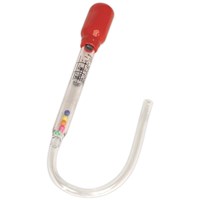
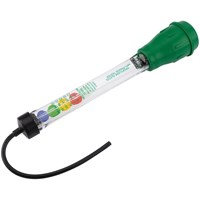
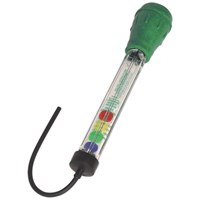
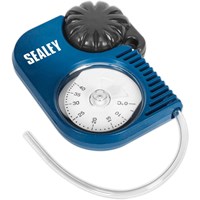
Consider the tester design that matches your working requirements. Disc-type and dial-type models offer quick visual readings with floating indicators displaying temperature ranges directly. Tube-type testers use coloured balls that float at different coolant concentrations for clear confirmation. Ball-type pocket testers provide excellent portability for mobile mechanics, whilst twin rotor designs deliver enhanced accuracy for precision professional applications.
Durability matters in workshop environments. MyToolShed.co.uk supplies testers constructed from robust, chemical-resistant materials designed to withstand repeated coolant exposure. Quality brands like Sealey and Draper manufacture instruments for professional use with reliable long-term performance. Ensure the tester features clear temperature scales marked in Celsius with ranges covering typical British winter temperatures down to -35°C or lower.
Safety Information
Ethylene glycol-based antifreeze is toxic and requires careful handling. Always wear chemical-resistant gloves and safety glasses when testing coolant. Work in well-ventilated areas and never siphon coolant by mouth—use the tester's built-in sampling mechanism. Store equipment securely away from children and animals, as ethylene glycol has a sweet taste but is extremely poisonous if ingested.
Allow engines to cool completely before removing radiator caps to avoid scalding from pressurised steam. Dispose of used antifreeze responsibly according to UK environmental regulations—contact your local waste disposal facility for proper hazardous waste collection. Clean testers thoroughly after use to maintain accuracy and prevent crystallisation.
Frequently Asked Questions
Can I use the same tester for different coolant types?
No, ethylene glycol and propylene glycol have different specific gravity properties and require dedicated testers calibrated for each formulation. Using the wrong tester produces inaccurate readings. Check your vehicle handbook to identify the correct coolant type before selecting an appropriate tester.
What antifreeze concentration is recommended for UK conditions?
A 50/50 mixture of antifreeze and water typically provides protection down to approximately -35°C, suitable for most UK winter conditions. This concentration also offers optimal corrosion protection and heat transfer properties. Avoid exceeding 70% antifreeze concentration, as this reduces both freeze protection and cooling efficiency.
How often should I test my vehicle's antifreeze?
Test coolant at least twice yearly—before winter for freeze protection and before summer for boil-over protection. Additionally, test whenever coolant appears discoloured, during routine servicing, or if you notice cooling system issues such as overheating or leaks.