

Air Hydraulic Pumps
Pay in 3 interest-free payments on purchases from £30-2000 with  . Learn more.
 Loading...
End of content
Error - No more pages to load
About Air Hydraulic Pumps
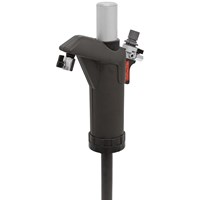
Air hydraulic pumps are pneumatic-powered fluid transfer devices that use compressed air to move oils, lubricants, coolants, and other non-corrosive liquids safely and efficiently. Ideal for workshop environments, these pumps eliminate the spark risk associated with electric alternatives, making them the preferred choice when handling flammable fluids. MyToolShed.co.uk supplies professional-grade air hydraulic pumps designed for rapid, effortless transfer from bulk drums and containers directly into machinery or smaller vessels.
Powered by a standard workshop compressor, air hydraulic pumps deliver consistent flow rates and handle high-viscosity fluids that would prove challenging for manual pumping. The range at MyToolShed features robust construction from trusted manufacturers like Sealey, engineered for durability in demanding automotive, industrial, and maintenance applications where reliable fluid handling is essential.
Applications
Air hydraulic pumps are invaluable tools across numerous professional trades and industries:
- Vehicle Mechanics: Transferring engine oils, transmission fluids, and coolants during servicing operations
- Fleet Maintenance Engineers: Managing bulk fluid dispensing for commercial vehicles, HGVs, and plant machinery
- Agricultural Engineers: Servicing farm equipment requiring regular lubrication and hydraulic fluid changes
- Industrial Maintenance Teams: Handling fluid management in manufacturing facilities and production environments
- Workshop Managers: Streamlining fluid handling operations in busy garages and automotive service centres
- Plant Operators: Managing lubricants for heavy machinery and construction equipment
- Marine Engineers: Servicing boats and marine equipment with various oils and lubricants
Choosing The Right Air Hydraulic Pumps
Selecting the appropriate air hydraulic pump requires consideration of several key factors:
Air Supply Requirements: Verify your workshop compressor can deliver the necessary CFM (typically 4-6 CFM) at 90 PSI. Insufficient air supply results in poor performance and reduced flow rates.
Flow Rate: Consider the volume of fluid you transfer regularly. Higher flow rates (measured in litres per minute) reduce transfer time and improve productivity in busy workshops.
Fluid Compatibility: Ensure pump materials are compatible with your fluids. Most models handle standard oils and lubricants, but verify chemical resistance for specialist applications.
Drum Compatibility: Most air hydraulic pumps fit standard 205-litre drums. Check the pump's reach and mounting system suits your container sizes.
Viscosity Range: For thick oils or cold environments, ensure the pump handles higher viscosity ratings without strain or reduced performance.
Safety Information
Flammable Liquids: Air-operated pumps eliminate electrical spark risks, making them suitable for flammable fluids. Ensure adequate ventilation and comply with COSHH regulations.
Pressure Safety: Never exceed recommended air pressure specifications. Always use regulated air supply with appropriate pressure gauges to prevent equipment damage or dangerous spraying.
Personal Protection: Wear chemical-resistant gloves, safety goggles, and protective clothing when handling workshop fluids. Keep spill kits accessible and dispose of contaminated materials according to HSE regulations.
Frequently Asked Questions
What size compressor do I need for an air hydraulic pump?
Most air hydraulic pumps require 4-6 CFM at 90 PSI. A typical workshop compressor rated at 3HP or above provides adequate performance for continuous operation.
Can I use the same pump for different fluids?
While possible, maintain dedicated pumps for specific fluid types where practical to prevent contamination. If sharing equipment, thoroughly flush the system with the new fluid type before transferring into clean containers.
Why has my pump lost performance?
Common causes include insufficient air pressure, blocked hoses, worn seals, or thick fluids in cold conditions. Verify your compressor delivers adequate pressure, check for kinked hoses, and ensure all connections are leak-free.