

Air Compressors
Pay in 3 interest-free payments on purchases from £30-2000 with  . Learn more.
 Loading...
End of content
Error - No more pages to load
About Air Compressors
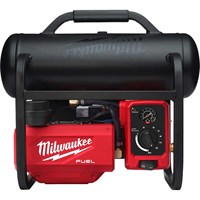
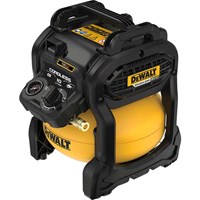
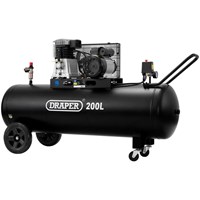
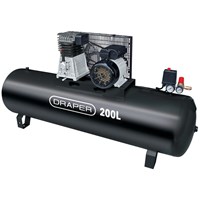
Air compressors are essential workshop equipment that convert electrical power into pressurised air for operating pneumatic tools including impact wrenches, spray guns, nail guns, sanders, and inflators. MyToolShed.co.uk stocks a comprehensive range from leading brands including Sealey, Draper, Einhell, Makita, DeWalt, and Milwaukee, covering everything from portable cordless 18V models perfect for mobile tyre inflation through to heavy-duty belt-driven units with 200-litre tanks for professional workshops running multiple tools simultaneously.
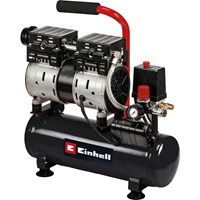
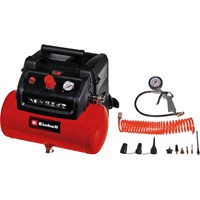
The selection includes compact oil-free compressors ideal for light-duty tasks and indoor environments, mid-capacity workshop models ranging from 24 to 100 litres for general trade applications, and substantial stationary belt-driven units delivering continuous professional performance. Whether you need a lightweight cordless compressor for site work without mains access or a powerful 240V three-phase industrial system, matching the specification to your specific tools and usage patterns ensures optimal performance and longevity.
Applications
Air compressors serve diverse trades and applications across professional and DIY sectors:
- Vehicle Mechanics: Operating impact wrenches, air ratchets, tyre inflators, and spray guns in garages and mobile repair services
- Construction Workers: Powering nail guns, staplers, and demolition tools on building sites and renovation projects
- Painters and Decorators: Running spray guns for automotive refinishing, furniture spraying, and commercial painting
- Carpenters and Joiners: Using pneumatic nailers, brad nailers, staplers, and sanders for joinery and installations
- Fabricators and Metalworkers: Operating angle grinders, die grinders, plasma cutters, and metal shears
- Agricultural Workers: Farm machinery maintenance, tyre servicing, and field equipment repairs
- DIY Enthusiasts: Inflating tyres, powering hobby tools, and tackling home improvement projects
Choosing The Right Air Compressors
Calculate Air Requirements: Determine total CFM needed by adding all tools you might run simultaneously, then add 30% safety margin. Most spray guns need 10-15 CFM, whilst impact wrenches typically require 4-6 CFM at 90 PSI.
Tank Capacity: For intermittent use like tyre inflation, 6-24 litre tanks prove sufficient. Workshop applications running sanders or spray guns benefit from 50-100 litre tanks. Industrial settings with multiple users require 150-200 litre capacity for sustained pressure delivery.
Power Source: Mains-powered 240V models suit workshop environments with unlimited runtime. Cordless 18V compressors from DeWalt, Milwaukee, and Draper offer exceptional mobility for site work without mains access, though with smaller capacities unsuitable for sustained tool operation.
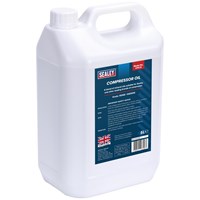
Oil-Free or Lubricated: Oil-free compressors available at MyToolShed.co.uk require minimal maintenance and suit intermittent use. Oil-lubricated models deliver superior longevity for professional workshops with daily use, though requiring routine oil changes.
Direct Drive vs Belt Drive: Direct-drive compressors suit intermittent DIY use affordably. Belt-driven models run cooler and quieter with substantially longer service life, preferred for professional workshops with continuous operation demands.
Frequently Asked Questions
What size air compressor do I need for spray painting?
For automotive spray guns, you'll require a minimum 50-100 litre tank with at least 10-15 CFM delivery at 90 PSI. HVLP spray guns work with smaller compressors around 10 CFM, whilst conventional spray guns demand 12-15 CFM. Belt-driven compressors suit spray painting better due to consistent pressure delivery and reduced moisture contamination.
Can I run multiple air tools simultaneously from one compressor?
Yes, provided your compressor's CFM rating exceeds the combined requirements of all tools plus 30% safety margin. For example, running an impact wrench (5 CFM) and die grinder (4 CFM) simultaneously requires at least 12 CFM capacity. Insufficient CFM causes pressure drops, reduced tool performance, and premature compressor wear.
What's the difference between direct drive and belt drive compressors?
Direct-drive compressors connect the motor directly to the pump, making them compact and affordable for light-to-medium duty intermittent use. Belt-driven models run significantly cooler and quieter, deliver substantially longer service life, and handle continuous professional use far more effectively, making them preferred for professional workshops.