

Acrylic Sealant
Pay in 3 interest-free payments on purchases from £30-2000 with  . Learn more.
 Loading...
End of content
Error - No more pages to load
About Acrylic Sealant
Acrylic sealant is a versatile, water-based sealing compound designed for filling gaps, joints and cracks in building materials. Unlike silicone alternatives, acrylic formulations can be overpainted once cured, making them the preferred choice for decorators and tradespeople working on projects where colour matching and professional finishes are essential. These flexible sealants provide excellent adhesion to porous surfaces including plaster, timber, brick and concrete, creating weatherproof barriers that prevent draughts and moisture ingress in both internal and external applications.
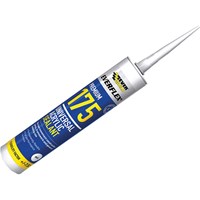
MyToolShed.co.uk stocks professional-grade acrylic sealants from trusted manufacturers including Everbuild and Dowsil. The range includes universal formulations for general decorating work, external frame sealants with enhanced weather resistance, and intumescent products that provide crucial fire-stopping capabilities for meeting UK Building Regulations Part B. Available primarily in 310ml cartridges for use with standard sealant guns, these products cure through moisture evaporation to form flexible, paintable seals within 24 hours.
Applications
Acrylic sealant is used across multiple trades and applications:
- Painters and Decorators: Filling gaps around skirting boards, architraves, coving and ceiling joints before painting
- Window Fitters and Glaziers: Sealing external frames and perimeter joints on uPVC, timber and aluminium installations
- Carpenters and Joiners: Sealing timber joints, door frames and fitted joinery for professional finished appearances
- Fire Stopping Specialists: Installing intumescent seals around service penetrations for Building Control compliance
- General Builders: Creating weatherproof seals on external masonry and filling movement joints
- Property Maintenance Contractors: Routine repairs and refurbishment work across residential and commercial properties
- DIY Enthusiasts: Home improvement projects requiring paintable, flexible sealing solutions
Choosing The Right Acrylic Sealant
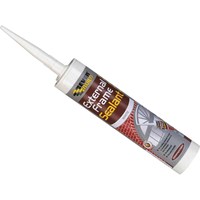
Application Location: Select external-grade formulations like Everbuild External Frame Sealant for exposed applications requiring UV stability and weather resistance. Universal acrylic sealants suit internal decorating work where conditions are more controlled.
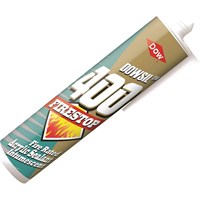
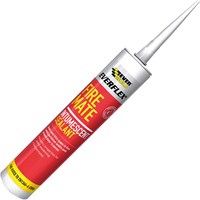
Fire Protection Requirements: For compartment walls, fire doors or service penetrations requiring Building Control approval, specify intumescent products such as Dowsil Firestop 400 or Everbuild Fire Mate. Verify the fire rating matches your specification requirements (typically 30, 60 or 120 minutes).
Surface Compatibility: Acrylic sealants excel on porous substrates including plaster, masonry, timber and cement render. For non-porous materials like metals or glass, consider alternative sealant chemistries.
Paintability Timeline: Most acrylic sealants accept paint within 2-4 hours of application, though full cure takes 24 hours. This rapid overpainting capability significantly speeds up decorating workflows compared to other sealant types.
Frequently Asked Questions
Can I use acrylic sealant in bathrooms?
Acrylic sealants are not recommended for permanently wet areas like bath and shower enclosures, as they lack the mould resistance and waterproof properties of sanitary silicone. However, they're suitable for decorative joints in bathrooms away from direct water contact.
What's the difference between acrylic and silicone sealant?
Acrylic sealants are water-based, paintable and better suited to porous surfaces, but offer less flexibility and water resistance than silicone. The range at MyToolShed.co.uk includes both types, allowing you to choose acrylic for decorative internal work and silicone for wet areas and high-movement joints.
How soon can I paint over acrylic sealant?
Most acrylic sealants can be overpainted with water-based emulsion within 2-4 hours. For solvent-based paints like gloss or satinwood, wait until the sealant is fully cured (typically 24 hours) to prevent solvent attack affecting the seal.