

Taping Knives
Pay in 3 interest-free payments on purchases from £30-2000 with  . Learn more.
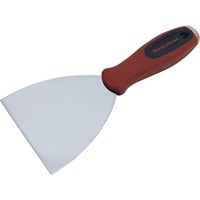
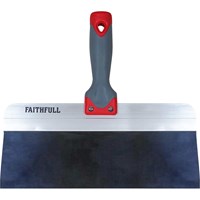
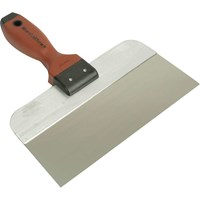
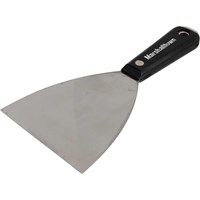
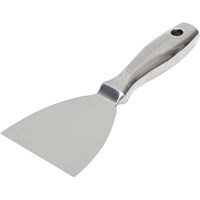
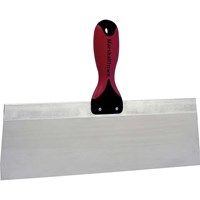
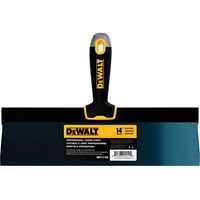
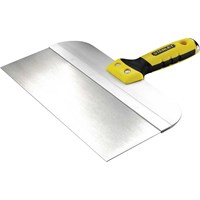
 Loading...
End of content
Error - No more pages to load
About Taping Knives
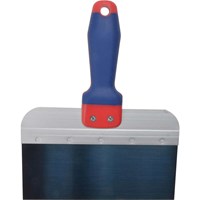
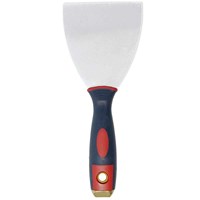
Taping knives, also known as joint knives or drywall finishing knives, are essential tools for applying and smoothing joint compound, filler, and plaster over plasterboard seams and fasteners. MyToolShed.co.uk stocks a comprehensive range of taping knives from trusted brands including Marshalltown, DeWalt, RST, Faithfull, and Stanley, designed to deliver professional results for both tradespeople and DIY enthusiasts.
Available in various blade widths and materials including stainless steel and blue steel, these tools feature either standard or soft-grip handles for extended comfort during prolonged use. Whether you're finishing drywall installations, repairing damaged plasterboard, or achieving smooth wall surfaces, the right taping knife ensures efficient application and a flawless finish.
Applications
Taping knives are primarily used by:
- Plasterers and drywall specialists for taping and finishing plasterboard joints
- Decorators preparing walls and ceilings for painting
- Builders and general contractors completing interior fit-outs
- Property maintenance professionals carrying out repair work
- DIY enthusiasts undertaking home renovation projects
Common applications include applying joint compound to plasterboard seams, smoothing filler over screw heads and fixings, feathering edges for seamless repairs, skimming large wall areas, and creating professional finishes on ceilings.
Choosing The Right Taping Knives
When selecting a taping knife from MyToolShed.co.uk, consider these key factors:
- Blade width: Narrow blades (100-150mm) suit detailed work and taping, while wider blades (200-300mm) cover larger areas efficiently for finishing coats
- Blade material: Stainless steel resists rust and cleans easily, whilst blue steel offers excellent flexibility for smooth application
- Handle design: Soft-grip or DuraSoft handles reduce hand fatigue during extended use, essential for professional tradespeople
- Blade flexibility: More flexible blades create smoother finishes, whilst stiffer blades provide better control for heavy compound application
- Hammer end feature: Some models include a hammer end for repositioning plasterboard or tapping fixings without changing tools
Consider purchasing multiple widths to handle different stages of the finishing process, from initial taping to final broad coating.
Frequently Asked Questions
What's the difference between a taping knife and a filling knife?
Taping knives typically have wider, more flexible blades designed for spreading joint compound over larger areas and creating smooth finishes. Filling knives are generally smaller with stiffer blades, better suited for filling holes and cracks. However, the terms are often used interchangeably in the UK.
How do I maintain my taping knife?
Clean your taping knife immediately after use with warm water before compound dries. Dry thoroughly to prevent rust, especially on carbon steel blades. Store flat or hanging to maintain blade straightness. Stainless steel blades require less maintenance but should still be cleaned promptly.
Which blade width should I start with?
For general purpose work, a 150-200mm taping knife provides versatility for both taping joints and applying finishing coats. As you develop your technique, add narrower blades (100mm) for detailed work and wider blades (250-300mm) for final broad finishing.