
Web Stretchers

Pay in 3 interest-free payments on purchases from £20-£3000 with  . Learn more.
 Loading...
End of content
Error - No more pages to load
About Web Stretchers
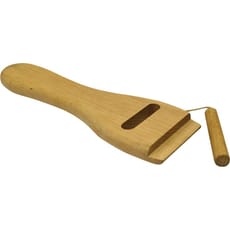
Web stretchers are specialist hand tools designed for fitting and tensioning webbing on upholstered furniture. These essential upholstery tools feature a wooden handle with a slotted or grooved head that grips webbing material, allowing craftspeople to pull it taut across chair and sofa frames before securing. MyToolShed.co.uk stocks professional-quality web stretchers built to withstand the rigours of daily workshop use.
Traditional beechwood construction remains the preferred choice for web stretchers, offering the right combination of strength, weight and durability. The tool's design has remained largely unchanged for generations, proving its effectiveness in creating the firm, even foundation necessary for quality upholstery work. Whether you're restoring antique furniture or creating new pieces, a reliable web stretcher is an indispensable addition to any upholstery toolkit.
Applications
Web stretchers are used across various trades and applications, including:
- Professional upholsterers – for commercial furniture manufacturing and restoration work
- Furniture restorers – repairing and refurbishing antique chairs, sofas and settees
- Theatre and film prop makers – creating and maintaining period furniture pieces
- Interior designers – commissioning bespoke upholstered furniture
- DIY enthusiasts – home furniture restoration and upcycling projects
- Soft furnishing specialists – installing webbing on ottomans, footstools and benches
- Antique dealers – preparing furniture for sale through proper restoration
Choosing The Right Web Stretchers
When selecting a web stretcher from MyToolShed.co.uk, consider these important factors:
Material and construction: Beechwood models offer excellent durability and the right weight for controlled tensioning. Check for smooth finishing to prevent snagging on webbing material and ensure comfortable handling during extended use.
Head design: The slotted or grooved head should securely grip various webbing widths without damaging the material. Some designs include metal pins or teeth for extra purchase on stubborn or heavy-duty webbing.
Handle length and grip: A comfortable handle length provides adequate leverage for proper tensioning without excessive strain. The grip area should be smooth and well-shaped to prevent hand fatigue during repetitive use.
Quality and brand reputation: Established brands like Faithfull offer reliable tools backed by manufacturing expertise, ensuring your investment will serve you through countless upholstery projects.
Frequently Asked Questions
How do I use a web stretcher properly?
Place the webbing through the slot in the stretcher head, fold it back on itself, then position the tool's padded end against the furniture frame. Apply leverage to tension the webbing tightly before tacking or stapling it in place. The webbing should be drum-tight for proper support.
Can web stretchers damage my furniture frames?
Quality web stretchers are designed with padded or smooth contact surfaces to protect wooden frames. Always ensure the tool's frame-contact end is clean and undamaged, and apply pressure evenly to avoid marking or denting the timber.
What webbing widths can a standard web stretcher handle?
Most traditional web stretchers accommodate standard upholstery webbing widths from 50mm to 75mm. The adjustable slot design allows you to work with various webbing materials including jute, elastic and synthetic alternatives commonly used in furniture upholstery.