
Voltage Testers

Pay in 3 interest-free payments on purchases from £20-£3000 with  . Learn more.
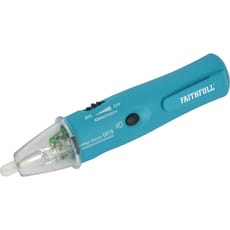
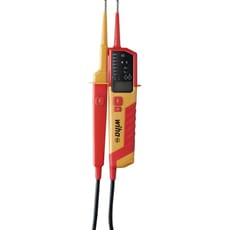
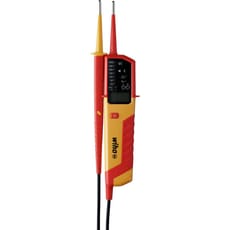
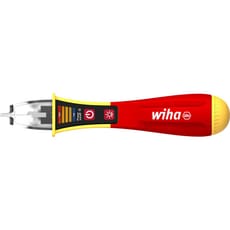
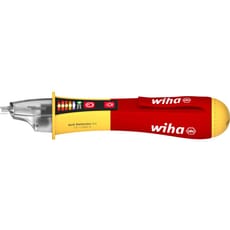
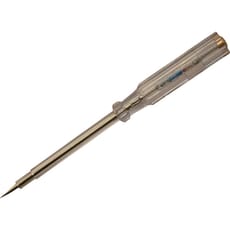
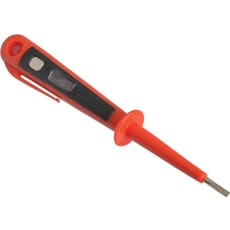
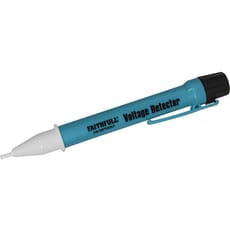
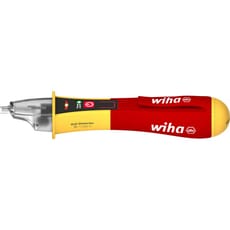
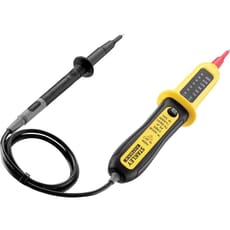
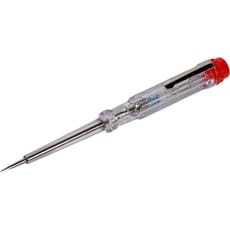
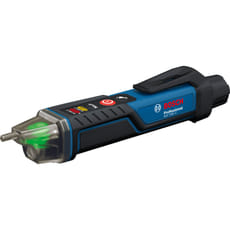
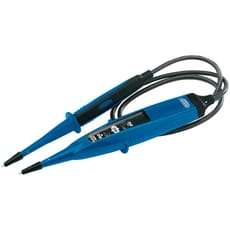
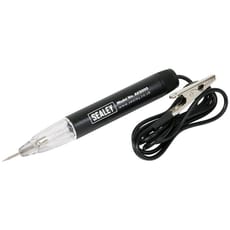
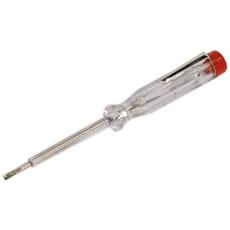
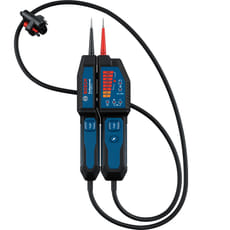
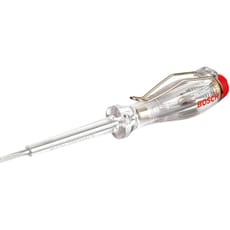
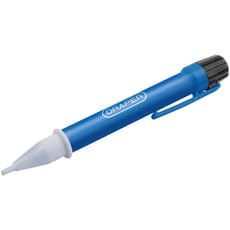
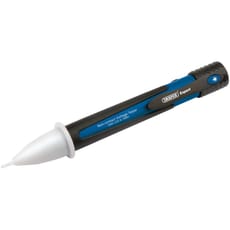
Loading...
End of content
Error - No more pages to load
About Voltage Testers
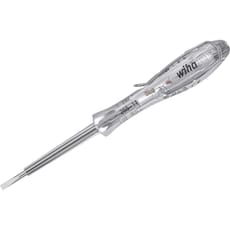
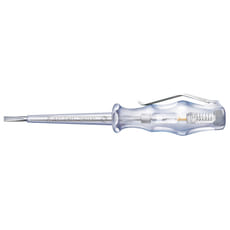
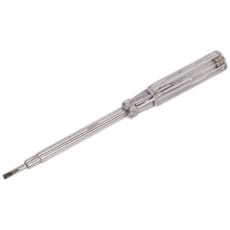
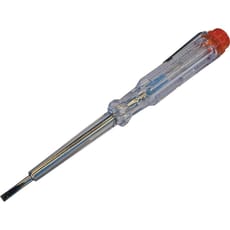
Voltage testers are essential safety tools for electricians, contractors and DIY enthusiasts working with electrical systems. MyToolShed.co.uk stocks a comprehensive range of voltage detection equipment, from simple mains tester screwdrivers to advanced non-contact voltage detectors and CAT IV rated professional testers. These instruments allow you to safely verify the presence or absence of electrical current before working on circuits, switches, sockets and appliances.
Our selection includes trusted brands such as Bosch Professional, Wiha, Wera, Faithfull, Sealey and Draper, offering solutions for testing everything from low voltage DC systems through to 240v mains supplies and high voltage industrial installations up to 1000v. Whether you need a basic pocket voltage tester screwdriver or a sophisticated digital voltage detector with LED and audible alerts, MyToolShed.co.uk has the right tool for your requirements.
Applications
Voltage testers are indispensable tools for:
- Electricians and electrical contractors - testing circuits, isolating supplies, fault finding and installation work
- Maintenance engineers - verifying equipment is de-energised before servicing
- Building contractors and tradespeople - checking for live cables before drilling or cutting
- DIY enthusiasts - safely testing sockets, light fittings and household appliances
- Automotive technicians - testing 12v vehicle electrical systems
- Facilities managers - routine electrical safety checks and PAT testing preparation
- Industrial settings - high voltage equipment verification using CAT III and CAT IV rated testers
Choosing The Right Voltage Testers
When selecting a voltage tester, consider the following factors:
- Voltage range - Ensure the tester covers your requirements, from 12v DC systems to 240v mains or higher industrial voltages up to 1000v
- Safety rating - CAT ratings indicate the maximum voltage and transient protection: CAT II for domestic, CAT III for distribution, CAT IV for utility supply work
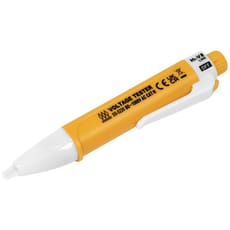
- Contact vs non-contact - Non-contact voltage detectors identify live cables without touching conductors, whilst contact testers provide precise voltage readings
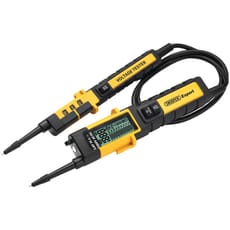
- Display type - Choose between simple LED indicators, LCD screens showing exact voltage, or combination audio-visual alerts
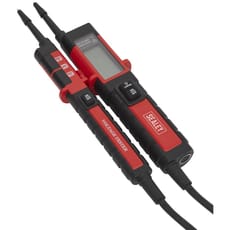
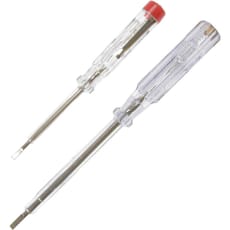
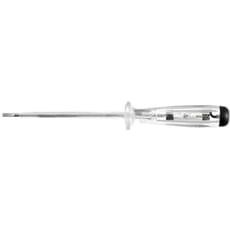
- Form factor - Screwdriver testers double as tools, pen testers fit in pockets, stick detectors offer reach and visibility
- Professional requirements - Tradespeople should invest in GS38 compliant fused test leads and voltage indicators meeting BS EN 61243-3 standards
Safety Information
Always follow safe working practices when testing electrical systems: Voltage testers are safety devices but must be used correctly. Test the tester on a known live source before and after use to confirm it's functioning properly. Never rely on a voltage tester alone - always follow proper isolation procedures and lock-off systems. Ensure your tester is rated for the voltage and category you're working with, and inspect it for damage before every use. When working with 240v mains supplies or higher voltages, use appropriate PPE and follow current IET Wiring Regulations.
Frequently Asked Questions
What's the difference between contact and non-contact voltage testers?
Contact voltage testers require direct connection to conductors using test probes or a screwdriver tip, providing accurate voltage readings. Non-contact testers detect electromagnetic fields around live conductors without physical contact, making them ideal for quickly checking cables, sockets and switches for the presence of voltage. Non-contact detectors are safer for initial checks but less precise than contact testers.
What does the CAT rating mean on voltage testers?
CAT (Category) ratings indicate the electrical environment and transient voltage protection level. CAT II suits household outlets and portable equipment, CAT III covers fixed installations and distribution boards, whilst CAT IV is for utility connections and overhead lines. Always use a tester with a CAT rating appropriate for your working environment to ensure adequate protection against voltage spikes.
Can I use a voltage tester for both AC and DC current?
Many voltage testers work with both AC and DC, but always check the specifications before use. Basic mains tester screwdrivers typically only detect AC voltage (such as 240v household supply), whilst digital multimeter-style testers usually handle both AC and DC across various voltage ranges. This versatility is essential for automotive work or testing battery systems alongside mains electrical installations.