
Tyre Depth Gauges & Pressure Gauges

Pay in 3 interest-free payments on purchases from £20-£3000 with  . Learn more.
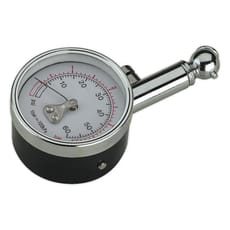
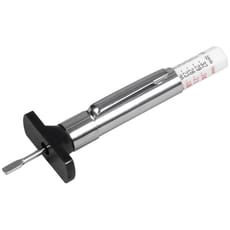
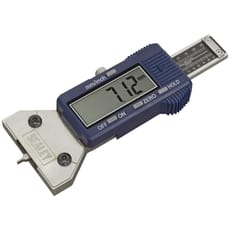
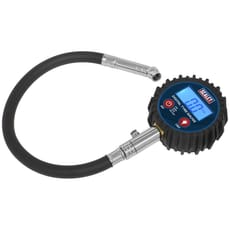
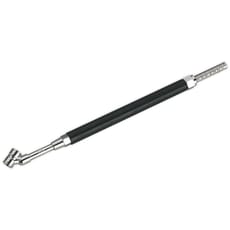
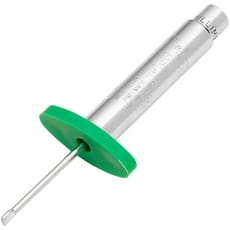
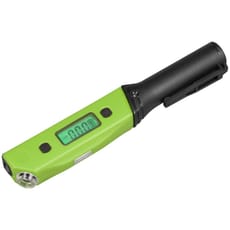
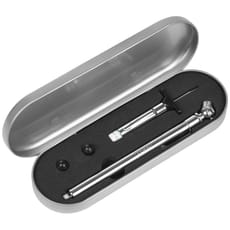
 Loading...
End of content
Error - No more pages to load
About Tyre Depth Gauges & Pressure Gauges
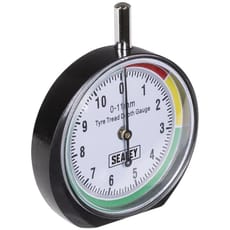
Tyre depth gauges and pressure gauges are essential diagnostic tools for maintaining vehicle safety and ensuring compliance with UK legal requirements. MyToolShed.co.uk stocks a comprehensive range of precision instruments from trusted manufacturers including Sealey, Draper, Faithfull, and Facom, suitable for professional mechanics, fleet operators, and DIY enthusiasts. These tools help verify that tyres are correctly inflated and have adequate tread depth—critical factors affecting fuel efficiency, tyre longevity, and road safety.
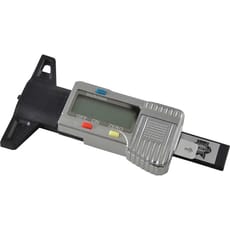
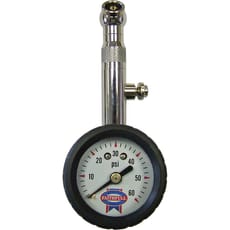
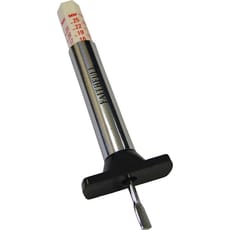
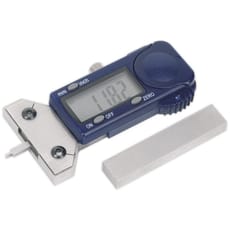
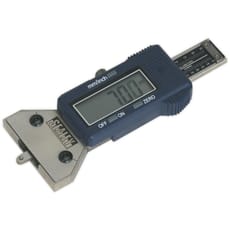
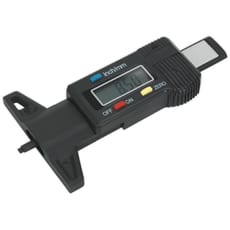
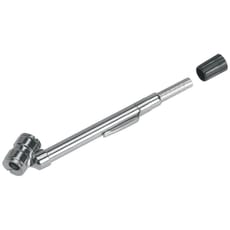
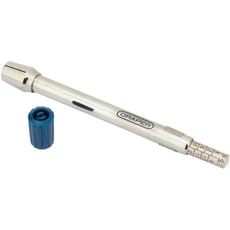
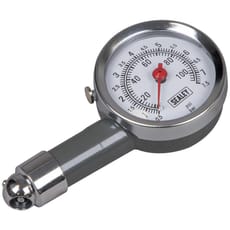
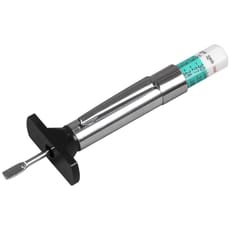
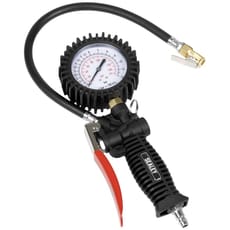
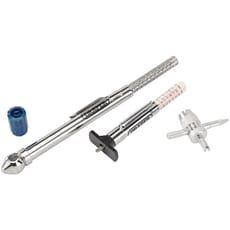
Our selection includes digital and analogue pressure gauges measuring in PSI and BAR, tread depth gauges for checking the legal minimum of 1.6mm across the central three-quarters of the tread, and convenient combination tools that perform both functions. From compact pencil-style gauges perfect for mobile mechanics to professional dial gauges built for busy workshop environments, MyToolShed offers instruments to suit every application and budget.
Applications
Tyre depth gauges and pressure gauges are used daily by:
- Mobile mechanics – roadside vehicle checks and pre-MOT inspections
- Tyre fitters and specialists – daily use in tyre centres and fast-fit operations
- Fleet maintenance technicians – regular safety checks on company vehicle fleets
- MOT testers – verifying tyre condition meets legal standards
- Garage and workshop owners – general vehicle servicing and safety inspections
- HGV and PSV mechanics – maintaining commercial vehicles to operator licence standards
- Recovery and breakdown services – diagnosing tyre issues at callouts
- Driving instructors – teaching vehicle maintenance and ensuring learner safety
- DIY enthusiasts – regular personal vehicle maintenance and pre-journey checks
- Caravan and motorhome owners – seasonal checks for leisure vehicles
Choosing The Right Tyre Depth Gauges & Pressure Gauges
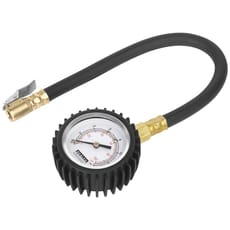
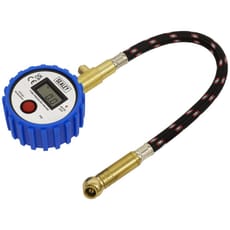
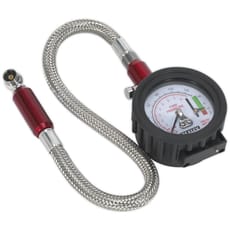
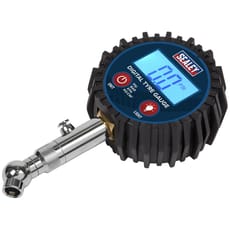
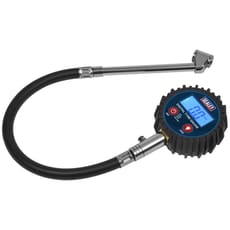
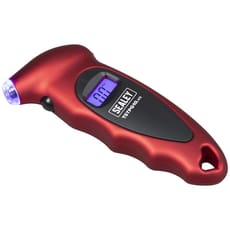
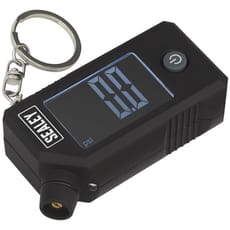
Digital vs Analogue: Digital gauges offer precise readings with easy-to-read LCD displays, ideal for mobile work and low-light conditions. Analogue dial gauges are extremely durable, require no batteries, and withstand the knocks and drops common in busy workshops.
Measurement Range: Standard car and light commercial applications need gauges reading up to 60 PSI. HGV, agricultural, and specialist vehicle work requires higher capacity gauges, typically 100-160 PSI.
Unit Display: Many digital models display both PSI and BAR simultaneously—particularly useful when working with mixed UK and European vehicles with different manufacturer specifications.
Combination Tools: Several products at MyToolShed.co.uk offer both pressure and tread depth measurement in one compact unit, providing excellent value and saving valuable toolbox space for mobile operations.
Build Quality: Professional-grade gauges from Sealey, Draper, and Facom are calibrated for accuracy and built for daily workshop use. Quality instruments maintain calibration longer and provide reliable readings essential for safety compliance.
Safety Information
Always check tyre pressure when tyres are cold, as driving generates heat that increases pressure readings. Never exceed the maximum pressure marked on the tyre sidewall—over-inflated tyres can burst unexpectedly, particularly when hot. When measuring tread depth, ensure vehicles are on level ground with the handbrake applied.
Remember that whilst UK law requires 1.6mm minimum tread depth, many professionals recommend replacement at 3mm for improved wet weather safety and reduced stopping distances. When using pressure gauges with compressed air systems in workshops, wear appropriate PPE including safety glasses, as debris can become airborne.
Frequently Asked Questions
How often should I check tyre pressure?
Check tyre pressures at least monthly and before long journeys. Commercial vehicles and fleet operations should follow weekly check schedules. Always measure when tyres are cold for accurate readings, and include the spare tyre in your routine checks.
What's the difference between pencil gauges and dial gauges?
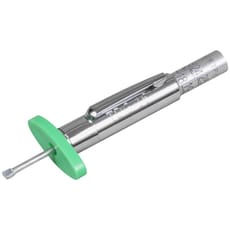
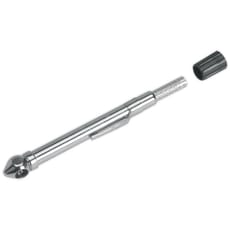
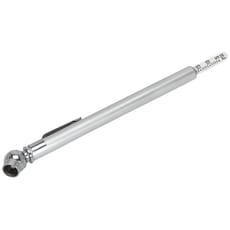
Pencil gauges are compact and affordable, perfect for occasional use or keeping in vehicle gloveboxes. Dial gauges are more accurate, easier to read, and better suited to frequent professional use in garage environments where durability matters.
Can I use the same gauge for cars and commercial vehicles?
Standard car gauges typically read up to 50-60 PSI, sufficient for most cars and light vans. Commercial vehicles, especially HGVs with dual rear wheels, often require 80-120 PSI, so you'll need a gauge with an appropriate higher range for these applications.