
Timers

Pay in 3 interest-free payments on purchases from £20-£3000 with  . Learn more.
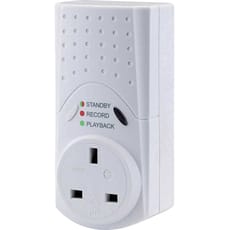
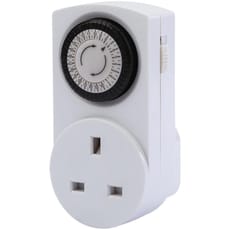
 Loading...
End of content
Error - No more pages to load
About Timers
Electrical timers are essential devices for automating power control to tools, equipment, lighting, and heating systems. MyToolShed.co.uk stocks a comprehensive range of timers designed for both professional tradespeople and DIY enthusiasts who need reliable, accurate time-switching solutions for 240v mains-powered equipment. From simple plug-in models to sophisticated programmable units, timers help improve energy efficiency, enhance security, and automate repetitive tasks across workshops, building sites, and domestic settings.
Our timer selection includes digital timers offering precise programming with multiple on/off cycles and LCD displays, alongside mechanical timers that provide straightforward, dependable operation without the need for batteries or complex setup. Whether you're controlling site lighting, managing heating schedules, automating irrigation systems, or timing power tools for spray booths and drying applications, MyToolShed.co.uk provides the right timing solution for your requirements.
Applications
Timers are invaluable across numerous trades and applications:
- Electricians: Controlling immersion heaters, lighting circuits, and testing timed electrical installations
- Builders and Site Managers: Automating security lighting, site illumination, and temporary heating systems
- Plumbers: Managing heating systems, hot water cylinders, and circulation pumps
- Decorators and Spray Finishers: Timing extraction fans, drying equipment, and spray booth ventilation
- Landscapers and Groundskeepers: Automating irrigation systems, pond pumps, and outdoor lighting
- Workshop and Garage Use: Controlling dust extraction, compressors, battery chargers, and security lighting
- Domestic DIY: Managing garden lighting, greenhouse heaters, aquarium equipment, and holiday security lighting
Choosing The Right Timers
When selecting a timer from MyToolShed.co.uk, consider these essential factors:
- Timer Type: Digital timers offer precise programming and multiple daily cycles, whilst mechanical timers provide simple, reliable operation with 24-hour segments
- Load Capacity: Ensure the timer's maximum amperage and wattage ratings exceed your connected equipment requirements for safe operation
- Programming Flexibility: Consider whether you need daily, weekly, or random programming modes for your specific application
- Indoor or Outdoor Use: Check IP ratings for weather resistance if using timers in exposed or damp locations
- Override Functions: Manual override capability allows temporary operation outside programmed schedules without losing settings
- Battery Backup: Digital timers with battery backup retain programming during power cuts, preventing reprogramming requirements
Safety Information
Always verify that the timer's rated capacity exceeds the power consumption of connected equipment. Never exceed the maximum load rating, as this presents serious fire and electrical hazards. Ensure timers are suitable for the environment—use appropriately rated weatherproof models for outdoor applications. When controlling heating equipment or high-wattage appliances, consider using timers in conjunction with appropriate contactors for loads exceeding standard plug-in timer ratings. All installation work involving fixed wiring must comply with BS 7671 wiring regulations and should be undertaken by qualified electricians.
Frequently Asked Questions
What's the difference between digital and mechanical timers?
Mechanical timers use a clockwork mechanism with physical segments for simple 24-hour scheduling, offering reliability without batteries. Digital timers provide precise electronic programming with multiple on/off cycles, weekly scheduling, and typically include battery backup to retain settings during power interruptions.
Can I use a timer with high-powered tools and heaters?
Check the timer's maximum load rating—typically 13A (3120W) for standard plug-in models. For higher loads such as workshop heaters or multiple tools, use an appropriately rated timer or install a contactor-based timing system designed for heavy-duty applications.
Will my timer settings be lost during a power cut?
Mechanical timers will stop during power cuts and resume from that point when power returns. Digital timers with battery backup retain programming but may not maintain accurate time without mains power. Battery-free digital models will require reprogramming after power restoration.