
Standard Plugs

Pay in 3 interest-free payments on purchases from £20-£3000 with  . Learn more.
 Loading...
End of content
Error - No more pages to load
About Standard Plugs
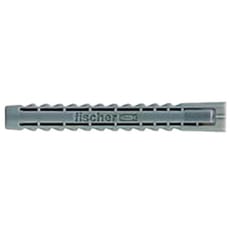
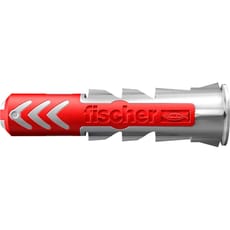
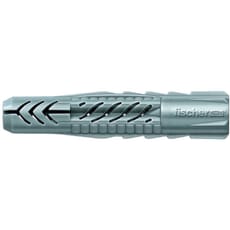
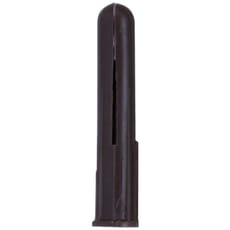
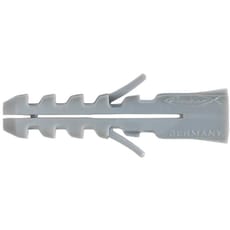
Standard plugs, also known as wall plugs or rawl plugs, are essential fixings designed to provide a secure anchor point in masonry, brick, concrete, and plasterboard. MyToolShed.co.uk stocks a comprehensive range of standard plugs from trusted brands including Fischer, Rawlplug, and Plasplug, suitable for both professional tradespeople and DIY enthusiasts. These versatile fixings expand when screws are driven into them, creating a tight grip within the drilled hole to ensure reliable, long-lasting installations.
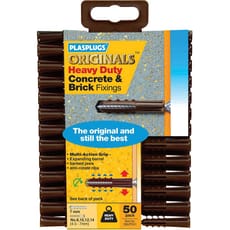
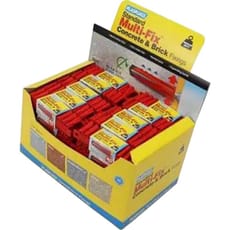
From universal plugs that work across multiple substrates to specialist options for heavy-duty applications, the standard plug category at MyToolShed features solutions for virtually any fixing requirement. Popular options include Fischer DuoPower and SX Plus high-performance plugs, Rawl plastic plugs in various colour-coded sizes, and Plasplugs Multifix concrete and brick fixings, providing reliable anchoring for everything from light picture frames to substantial wall-mounted equipment.
Applications
Standard plugs are indispensable across numerous trades and applications:
- General building and construction: Fixing batten, battening out walls, securing timber frames, and installing skirting boards
- Electrical installations: Mounting consumer units, socket back boxes, and conduit clips to masonry
- Plumbing work: Securing pipe clips, radiator brackets, and boiler mounting frames
- Carpentry and joinery: Fixing architrave, door frames, and heavy shelving units
- Kitchen and bathroom fitting: Installing cabinets, worktop brackets, and sanitary ware
- Shop fitting and interiors: Mounting display units, signage, and decorative features
- DIY projects: Hanging mirrors, pictures, curtain rails, and general home improvements
Choosing The Right Standard Plugs
Selecting appropriate standard plugs requires consideration of several key factors:
- Substrate type: Identify whether you're fixing into solid brick, concrete, hollow plasterboard, or mixed materials. Universal plugs offer versatility, whilst specialist plugs provide optimum performance in specific substrates
- Load requirements: Match plug size and type to the weight being supported. Colour-coded sizing (yellow, red, brown) indicates load capacity, with heavy-duty options available for substantial fixtures
- Plug diameter and length: Ensure compatibility with your drill bit size and screw gauge. Common sizes range from 5mm to 10mm diameter, with lengths varying according to substrate thickness
- Installation depth: Consider wall thickness and ensure sufficient embedment depth for secure fixing, particularly in hollow constructions
- Brand quality: MyToolShed.co.uk stocks premium brands like Fischer and Rawlplug, known for consistent performance and reliability in professional applications
Frequently Asked Questions
What's the difference between universal and standard wall plugs?
Universal plugs like the Fischer UX and Rawl Uno are designed to work effectively across multiple substrate types, automatically adjusting their expansion mechanism to suit solid or hollow materials. Standard plugs are typically optimised for specific materials such as brick or concrete, offering excellent performance when matched correctly to the substrate.
How do I know what size drill bit to use?
The drill bit diameter should match the plug size exactly. Most standard plugs are clearly marked with their diameter (e.g., 6mm, 8mm), and this corresponds directly to the drill bit required. Always check the manufacturer's specifications on the packaging for precise drilling and screw size recommendations.
Can I use standard plugs in plasterboard?
Whilst some universal plugs work in plasterboard, traditional standard plugs designed for masonry generally perform poorly in hollow substrates. For plasterboard applications, consider specialist plasterboard fixings or universal plugs specifically rated for hollow wall installations to ensure adequate load-bearing capacity.