
Saws

Pay in 3 interest-free payments on purchases from £20-£3000 with  . Learn more.

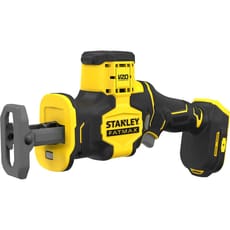
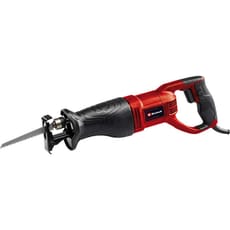
Stanley Fatmax V20 SFMCS305 18v Cordless Brushless Reciprocating Saw
coming soon
 Loading...
End of content
Error - No more pages to load
About Saws
Saws represent one of the most fundamental categories of cutting tools for professional tradespeople and DIY enthusiasts across the UK. From portable circular saws and versatile jigsaws to precision mitre saws and heavy-duty table saws, MyToolShed.co.uk stocks a comprehensive range designed to tackle everything from timber framing and sheet materials to metal, tiles, and masonry. Whether you're a carpenter requiring accurate crosscuts, a builder needing robust site tools, or a home improver undertaking renovation projects, selecting the right saw ensures clean cuts, improved productivity, and professional results.
Modern power saws combine advanced motor technology with precision engineering, available in both corded 240v mains-powered models and cordless battery-operated versions from leading manufacturers including Makita, DeWalt, Milwaukee, Bosch, and Festool. MyToolShed.co.uk offers specialist saws for every application—from bandsaws and reciprocating saws for demolition work to tile cutters and stone saws for finishing trades, alongside plunge saws with guide rails for precision panel cutting and metal cut-off saws for fabrication workshops.
Applications
Saws serve essential roles across numerous trades and applications:
- Carpenters and Joiners: Crosscutting, ripping timber, cutting joints, and precision trim work
- Builders and General Contractors: Structural timber work, first fix carpentry, and site fabrication
- Kitchen and Bathroom Fitters: Worktop cutting, tile cutting, and panel fabrication
- Roofers: Cutting roof timbers, fascias, and roofing materials
- Flooring Specialists: Cutting laminate, hardwood, and engineered flooring to length and angle
- Metal Fabricators: Cutting steel, aluminium, and metal sections accurately
- Shop Fitters: Creating bespoke display units, shelving, and retail interiors
- Landscapers: Cutting decking, fencing, and garden construction materials
- DIY Enthusiasts: Home renovations, furniture building, and general construction projects
Choosing The Right Saws
Selecting the appropriate saw depends primarily on your cutting requirements and working environment. Circular saws offer excellent portability for site work and general cutting, whilst table saws provide workshop-based accuracy for repetitive cuts and ripping sheet materials. Mitre saws excel at crosscuts and angled work for trim carpentry, and jigsaws handle curved cuts and intricate shapes.
Power Source: Cordless 18V models deliver exceptional mobility for site work without trailing cables, whilst corded 240v saws provide unlimited runtime and consistent power for intensive workshop applications. If you've already invested in a battery platform, choosing compatible tools maximises value.
Cutting Capacity: Match blade diameter and cutting depth to your typical materials. A 190mm circular saw cuts approximately 65mm at 90°, whilst 165mm models manage around 55mm. Consider bevel capacity if you regularly cut compound angles.
Build Quality: Professional-grade models from established manufacturers incorporate robust construction, electronic brakes, anti-kickback protection, and efficient dust extraction. Budget ranges suit occasional DIY use, whilst mid-range options balance affordability with durability for serious enthusiasts.
Safety Information
Power saws demand proper respect and training. Always wear appropriate PPE including safety glasses, hearing protection, and dust masks when cutting materials that generate fine particles. Ensure electrical equipment displays correct voltage ratings with intact cables and functional guards. Use RCDs when operating mains-powered tools on site.
Never bypass safety guards, riving knives, or blade brakes designed to prevent kickback and contact injuries. Maintain sharp blades—dull blades require excessive pressure and increase accident risk. Always disconnect power before blade changes or adjustments, and secure workpieces properly with clamps rather than hand-holding. Follow HSE guidance on safe use of woodworking machinery and ensure adequate training.
Frequently Asked Questions
What's the difference between a mitre saw and a circular saw?
A mitre saw features a pivoting blade that lowers onto material held against a fence, ideal for accurate crosscuts and angled cuts in trim work and framing. A circular saw is handheld and portable, excelling at straight cuts, ripping timber lengthwise, and cutting sheet materials on site. Most professionals benefit from owning both types for different applications.
Should I choose cordless or corded saws?
Cordless models offer excellent portability for site work, eliminating trailing cables and providing freedom when working outdoors or on scaffolding. Corded 240v saws deliver unlimited runtime for continuous workshop use and slightly higher power output. Consider where you'll work most frequently and whether you've existing batteries from other tools at MyToolShed.co.uk.
Do I need different blades for different materials?
Yes—using material-specific blades delivers superior results and longevity. Timber blades feature larger teeth with aggressive angles, metal-cutting blades have fine teeth to prevent snagging, and diamond blades suit tiles and masonry. Using inappropriate blades risks poor cut quality, overheating, and potential safety hazards.