
Safety Helmets & Visors

Pay in 3 interest-free payments on purchases from £20-£3000 with  . Learn more.
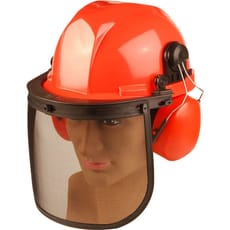
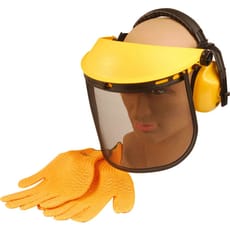
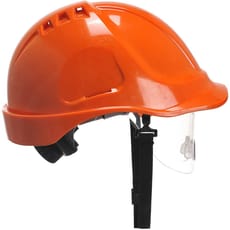
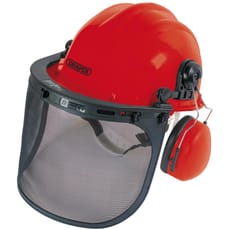
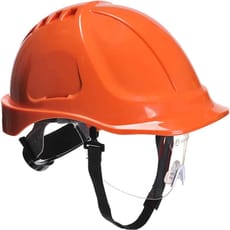
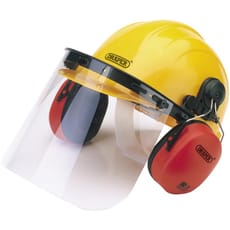
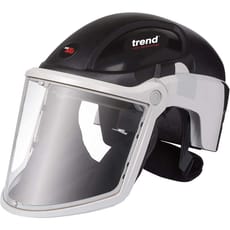
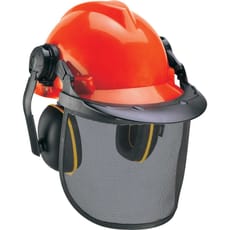
 Loading...
End of content
Error - No more pages to load
About Safety Helmets & Visors
Safety helmets and visors provide essential head and face protection for tradespeople working in hazardous environments. From forestry work and chainsaw operations to grass trimming and general site duties, quality head protection is crucial for preventing serious injuries. MyToolShed.co.uk stocks a comprehensive range of safety helmets from trusted brands including Portwest, Draper, ALM, Einhell, and Trend, suitable for both professional contractors and DIY users.
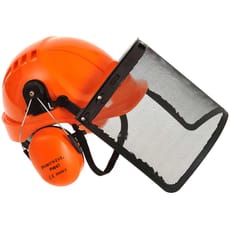
This category includes standard hard hats with integrated visors, forestry helmet systems with mesh visors and ear defenders, chainsaw safety helmets, and advanced powered respirator units. Many products feature combination kits that integrate hearing protection alongside face shields, providing all-in-one PPE solutions for demanding work environments. Whether you need a basic site helmet or a complete forestry protection system, you'll find appropriate equipment to meet UK safety standards.
Applications
- Forestry and Arboriculture: Tree surgeons, woodland workers, and timber professionals requiring chainsaw helmet systems
- Groundcare and Landscaping: Gardeners and landscape contractors using strimmers, brush cutters, and hedge trimmers
- Construction Sites: General builders, contractors, and site workers needing compliant hard hats
- Industrial Maintenance: Engineers and technicians working in factories and warehouses with overhead hazards
- Agricultural Work: Farm workers operating machinery and equipment in hazardous environments
- DIY Projects: Home users undertaking tree work, major renovations, or power tool operations
Choosing The Right Safety Helmets & Visors
Consider the specific hazards you'll encounter. Forestry helmets with mesh visors and integrated ear defenders suit chainsaw work, whilst basic hard hats with clear visors are appropriate for general site protection. Check that helmets meet relevant EN standards such as EN397 for industrial safety helmets or EN12492 for forestry applications.
Evaluate the visor type carefully. Mesh visors provide excellent visibility and ventilation for hot conditions during forestry work, whilst clear polycarbonate visors offer impact protection from flying debris during grinding or cutting operations. For work involving fine dust or harmful particles, powered respirator units like the Trend Air Pro Max provide superior breathing protection with APF40 ratings.
Comfort features matter for extended wear. Look for adjustable harness systems, moisture-wicking padding, and adequate ventilation. MyToolShed.co.uk offers combination kits that integrate hearing protection and face shields, eliminating compatibility concerns and providing better value than purchasing components separately.
Safety Information
Always inspect safety helmets before use for cracks, damage, or degradation. Replace helmets after any significant impact, even if damage isn't visible. Most manufacturers recommend replacing helmets every 3-5 years regardless of condition, as UV exposure and general wear compromise protective properties. Ensure helmets fit correctly with adjustment straps properly secured. Never modify helmets or drill holes for accessories, as this compromises structural integrity and invalidates safety certification.
Frequently Asked Questions
What's the difference between forestry helmets and standard hard hats?
Forestry helmets are complete safety systems designed specifically for chainsaw and tree work, featuring integrated mesh visors and ear defenders rated for chainsaw noise levels. Standard hard hats provide basic impact protection suitable for construction sites but lack the comprehensive face and hearing protection required for forestry operations.
Do safety helmets expire?
Yes, most safety helmets should be replaced every 3-5 years from the manufacturing date, regardless of visible wear. UV exposure, temperature fluctuations, and material degradation reduce protective capabilities over time. Check manufacturer guidelines and always replace helmets after significant impacts.
Can I wear a safety helmet over a bump cap?
No, safety helmets should be worn directly on the head with only the manufacturer's supplied harness system. Adding additional layers interferes with the suspension system designed to absorb impacts, compromising protection and potentially violating safety standards.