
Ramps

Pay in 3 interest-free payments on purchases from £20-£3000 with  . Learn more.
 Loading...
End of content
Error - No more pages to load
About Ramps
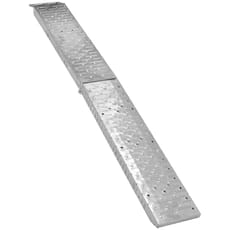
Ramps are essential loading and access solutions designed to bridge height differences safely and efficiently. MyToolShed.co.uk stocks a comprehensive range of professional-grade ramps suitable for loading vehicles, accessing storage units, and transporting heavy equipment across thresholds or steps. From folding vehicle loading ramps to specialised cargo unloaders, these products enable tradespeople and DIY enthusiasts to move tools, machinery, and materials with reduced manual handling risk.
The ramps available at MyToolShed feature durable construction using steel mesh and reinforced materials, offering weight capacities suitable for everything from small vehicles and motorcycles to heavy equipment trolleys and wheelbarrows. With options including portable folding designs for easy storage and transport, plus fixed access ramps for regular use, there's a solution for temporary jobsite needs and permanent workshop installations alike.
Applications
Ramps are invaluable across numerous trades and situations:
- Vehicle mechanics and garages – loading motorcycles, lawnmowers, and small vehicles onto trailers or into vans
- Delivery drivers and couriers – unloading heavy cargo from truck beds and commercial vehicles
- Landscape gardeners – moving ride-on mowers, compact machinery, and equipment across kerbs and steps
- Construction professionals – transporting concrete mixers, generators, and heavy tools to different site levels
- Warehouse and storage facilities – accessing raised storage containers and mobile storage units
- Mobile tradespeople – loading and unloading equipment from vans at various customer locations
- DIY enthusiasts – home projects involving heavy appliances, motorcycles, or garden equipment
Choosing The Right Ramps
When selecting ramps from MyToolShed.co.uk, consider these essential factors:
- Weight capacity – ensure the ramp's maximum load rating exceeds the combined weight of your equipment and any trolley or dolly being used
- Length and gradient – longer ramps create gentler inclines, making loading easier and safer; calculate the rise-to-run ratio for your specific application
- Surface type – steel mesh provides excellent grip and allows debris to fall through, whilst solid surfaces suit wheeled equipment
- Portability – folding ramps offer convenient storage in vans and workshops, whilst fixed ramps suit permanent installations
- Width – ensure adequate width for your equipment's wheelbase with safety margin either side
- Raised edges – side lips prevent wheels from slipping off during loading and unloading
- Compatibility – check specific models like access ramps designed for particular storage unit brands
Safety Information
Always position ramps on firm, level ground and ensure the top is securely located against the vehicle or platform edge. Never exceed the manufacturer's stated weight capacity, and distribute loads evenly across the ramp surface. When loading vehicles, use a spotter where possible and proceed slowly with controlled movements. Inspect ramps regularly for damage, wear, or deformation, and store in dry conditions to prevent corrosion. Ensure adequate non-slip surface contact, and never use ramps in adverse weather conditions that could compromise traction.
Frequently Asked Questions
What weight capacity do I need for loading a motorcycle?
Most motorcycles weigh between 150-300kg, so select a ramp rated for at least 400kg to provide a safety margin. Heavier touring bikes may require ramps rated to 500kg or more.
Can folding ramps be used repeatedly in professional settings?
Yes, professional-grade folding ramps feature robust construction suitable for frequent commercial use. Regular inspection and proper storage will maximise their working life in demanding trade environments.
How do I calculate the correct ramp length for my van?
Measure the height from ground to your van's load floor. A safe loading gradient is approximately 1:3 to 1:4 (rise to run), so for a 600mm high van floor, use a ramp at least 1800-2400mm long.