
Post Hole Diggers

Pay in 3 interest-free payments on purchases from £20-£3000 with  . Learn more.
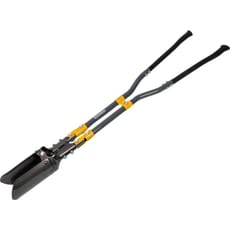
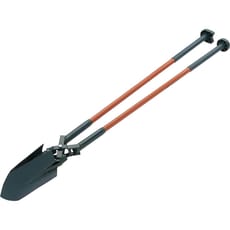
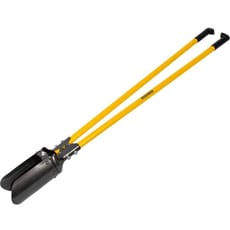
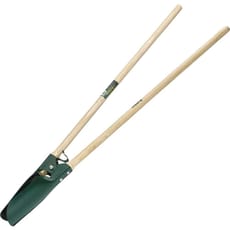
 Loading...
End of content
Error - No more pages to load
About Post Hole Diggers
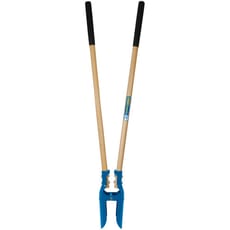
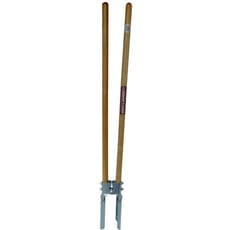
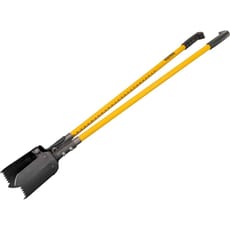
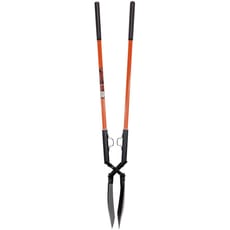
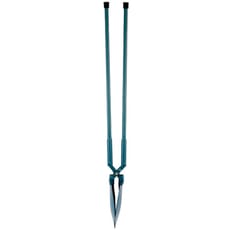
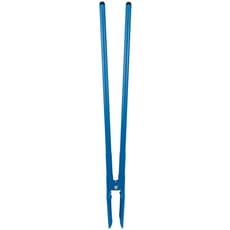
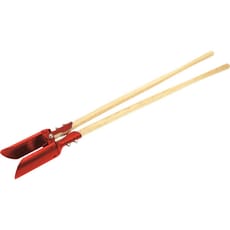
Post hole diggers are essential manual tools designed to excavate narrow, deep holes for fence posts, signposts, and garden structures. MyToolShed.co.uk stocks a comprehensive range of post hole diggers from trusted brands including Roughneck, Draper, Bulldog, Faithfull, and Spear and Jackson. These tools feature two long handles connected to curved blades or scoops that close together to grip and remove soil, making light work of tasks that would otherwise require intensive spade work.
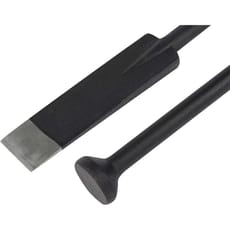
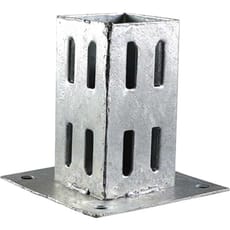
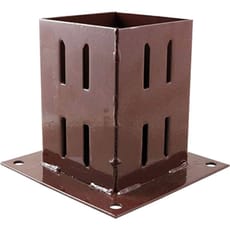
Whether you need a standard post hole digger for general fencing work or a heavy-duty model for challenging ground conditions, MyToolShed offers options to suit every application. The range includes specialist variants such as insulated models for working near underground cables, serrated edge diggers for cutting through roots, and post top shapers for finishing work. Complementary products like bolt-down fence post shoes provide complete solutions for professional installations.
Applications
- Fencing contractors – installing residential, agricultural, and commercial fencing
- Landscapers and groundworkers – creating garden structures, pergolas, and decking supports
- Agricultural workers – erecting field fencing and gate posts
- DIY enthusiasts – home garden projects and boundary fencing
- Site maintenance teams – installing signposts and bollards
- Utilities and telecoms – positioning marker posts and utility poles
- Tree surgeons – planting stakes and support posts
Choosing The Right Post Hole Diggers
Blade design: Standard curved blades suit most soil types, whilst serrated edges are ideal for cutting through roots and tough ground. Consider the soil conditions you'll typically encounter when selecting your tool.
Handle length and construction: Longer handles provide greater leverage for deeper holes and reduce back strain. Look for fibreglass or hardwood handles with comfortable grips for extended use. Insulated handles are essential when working near underground electrical cables or services.
Build quality: Heavy-duty models from brands like Roughneck and Draper Expert feature reinforced steel construction and can withstand demanding professional use. Standard models are perfectly adequate for occasional DIY projects.
Hole diameter: Most post hole diggers create holes between 100-150mm diameter, suitable for standard fence posts. Check the blade width matches your specific post dimensions.
Safety Information
Always contact local utility providers or check plans before digging to locate underground cables, pipes, and services. Use insulated post hole diggers when working in areas where underground electrical cables may be present. Wear sturdy gloves to protect hands from blisters during extended use, and steel toe-capped boots to guard against dropping the tool. Maintain a stable stance whilst operating the digger and avoid overreaching, which can cause loss of balance. When working in hard ground, dampen the soil beforehand to reduce physical strain and tool damage.
Frequently Asked Questions
What depth of hole can a post hole digger create?
Standard post hole diggers typically excavate holes up to 900-1200mm deep, depending on handle length and soil conditions. For fence posts, a general rule is to bury one-third of the total post length for stability.
Can post hole diggers work in clay or stony soil?
Yes, though heavy-duty models with reinforced blades perform best in challenging conditions. Serrated edge diggers help cut through roots and compacted clay. For extremely stony ground, you may need to loosen soil with a crowbar first.
Do I need an insulated post hole digger?
Insulated post hole diggers are recommended when working near underground electrical services or in areas where cable locations are uncertain. They provide an additional safety measure against accidental contact with live cables.