
Oil Drainers

Pay in 3 interest-free payments on purchases from £20-£3000 with  . Learn more.
Loading...
End of content
Error - No more pages to load
About Oil Drainers
Oil drainers are essential workshop equipment designed to safely collect, store and dispose of waste oil from vehicles and machinery. MyToolShed.co.uk stocks a comprehensive range from gravity-fed collection units to sophisticated air-powered suction systems that extract oil directly through dipstick tubes. Whether you're a mobile mechanic, running a busy garage, or maintaining your own vehicles, these professional-grade tools transform messy oil changes into clean, efficient processes.
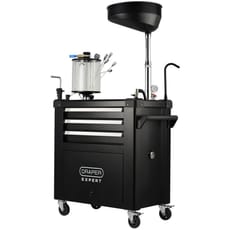
Available in various configurations, oil drainers range from compact low-level units for restricted spaces to high-capacity mobile stations with integrated pump-away systems. Gravity drainers offer simple, reliable collection beneath drain plugs, whilst suction drainers provide faster extraction without crawling under vehicles. Professional workshops benefit from air-powered models with inspection chambers that allow fluid analysis for diagnostics. MyToolShed.co.uk features trusted brands including Sealey and Draper, with capacities from small DIY units to 100-litre commercial systems.
Applications
- Motor mechanics and automotive technicians performing routine vehicle servicing and oil changes
- MOT testing stations conducting regular vehicle inspections and maintenance
- Fleet maintenance workshops servicing company vehicles, vans and commercial trucks
- Mobile mechanics requiring portable oil drainage solutions for on-site repairs
- Agricultural engineers maintaining tractors, combine harvesters and farm machinery
- Plant and machinery engineers servicing generators, compressors and industrial equipment
- Marine mechanics working on boat engines and marine diesel systems
- DIY enthusiasts and home mechanics maintaining their own vehicles
- HGV workshops handling larger volumes of oil from commercial vehicles
- Classic car restorers performing regular maintenance on vintage vehicles
Choosing The Right Oil Drainers
Capacity Requirements: Consider typical oil volumes—most cars hold 4-6 litres, whilst vans and larger engines may require 8-10 litres or more. Professional workshops typically choose 65-100 litre capacity units to handle multiple services before requiring disposal.
Extraction Method: Gravity drainers are economical and reliable for standard sump plug drainage. Suction drainers offer faster, cleaner extraction through dipstick tubes, ideal for vehicles with undertray protection. Air-powered systems suit busy workshops with compressed air supplies, providing rapid oil extraction and transfer capabilities.
Mobility and Height: Mobile drainers on castors allow easy positioning and movement to disposal areas. Low-level models are essential for vehicles on standard ramps or those with minimal ground clearance—check collapsed height specifications against your working conditions.
Pump-Away Features: Integrated pump systems save considerable time by transferring waste oil to storage drums. Air discharge pumps operate faster than manual alternatives and reduce physical effort in high-volume workshops.
Build Quality: Professional-grade units from Sealey and Draper feature robust steel construction, chemical-resistant coatings and heavy-duty castors that withstand daily workshop use and exposure to oils and solvents.
Safety Information
Waste oil handling requires adherence to HSE guidelines and COSHH regulations. Always allow engines to cool before draining to prevent burns from hot fluids. Wear appropriate PPE including chemical-resistant gloves and eye protection, as waste oil contains harmful contaminants.
Ensure drainers are positioned on stable, level ground with wheels locked before use. Never exceed stated capacity—overfilling creates slip hazards. Waste oil is classified as hazardous waste and must be disposed of through licensed waste carriers in accordance with UK environmental regulations. Never mix waste oil with other fluids such as coolant or brake fluid, as this complicates disposal and may be illegal.
Frequently Asked Questions
What's the difference between gravity and suction oil drainers?
Gravity drainers collect oil through the traditional sump plug method, requiring vehicle access from underneath. Suction drainers extract oil through the dipstick tube using vacuum pressure, which is cleaner, faster and doesn't require crawling under vehicles—particularly useful for vehicles with undertray protection or difficult-to-access sump plugs.
Do I need an air-powered drainer or will a manual one suffice?
Manual and gravity drainers are perfectly adequate for occasional use and smaller workshops. However, if you're performing multiple oil changes daily, air-powered systems significantly reduce service times and physical effort. They require a suitable compressed air supply, typically 6-8 CFM at 90 PSI.
How should I maintain my oil drainer?
Regularly empty before reaching maximum capacity to prevent spills. Clean the collection chamber periodically to remove sludge build-up. Check seals, valves and hoses for wear, replacing as necessary. For air-powered units, ensure air line connections are clean and secure, and lubricate pneumatic components according to manufacturer guidelines.