
Nitrile Gloves

Pay in 3 interest-free payments on purchases from £20-£3000 with  . Learn more.
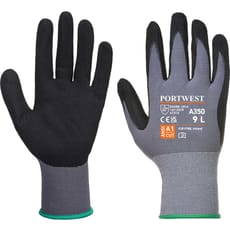
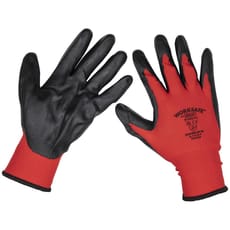
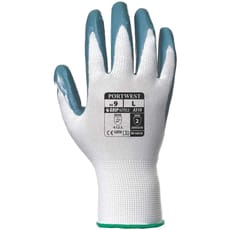

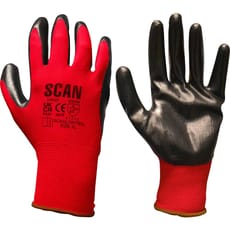
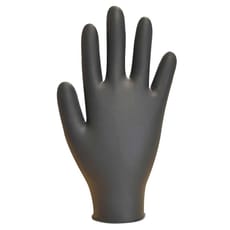
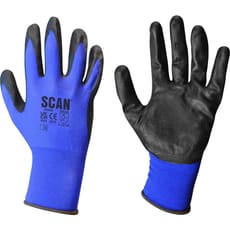
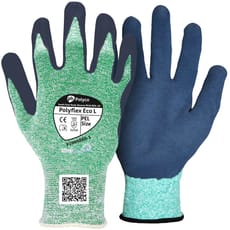
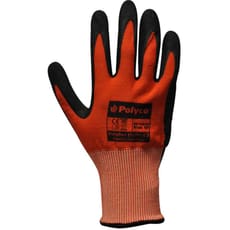
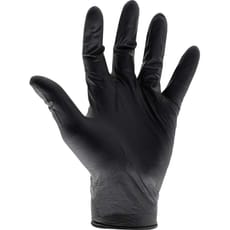
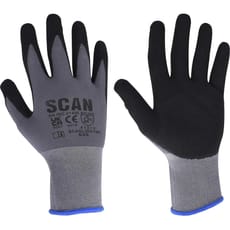

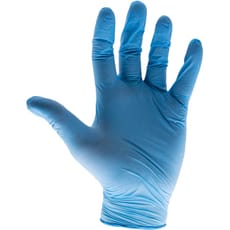
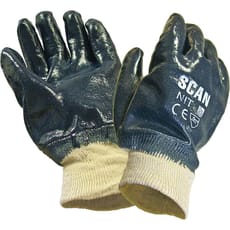
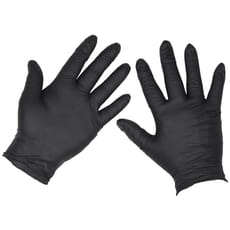
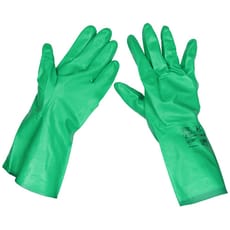
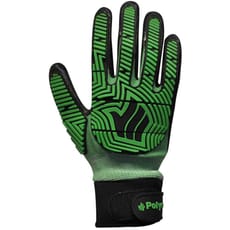
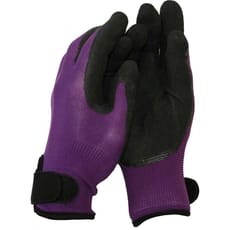

 Loading...
End of content
Error - No more pages to load
About Nitrile Gloves
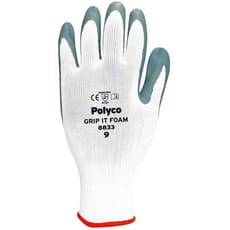
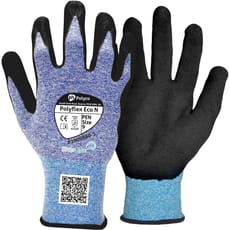
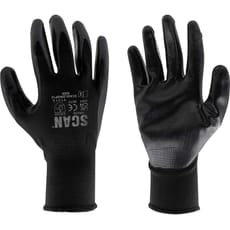
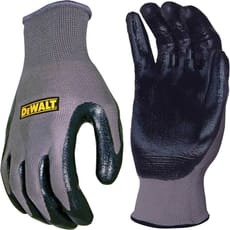
Nitrile gloves provide essential hand protection for tradespeople, healthcare workers, and DIY enthusiasts across countless applications. MyToolShed.co.uk stocks an extensive range of nitrile-coated work gloves and disposable nitrile gloves from trusted brands including Portwest, Polyco, DeWalt, and Scan. These gloves offer superior puncture resistance, chemical protection, and grip performance compared to standard latex alternatives.
Available in various styles from lightweight disposable gloves for fine detail work through to heavy-duty coated safety gloves with impact protection, our nitrile glove selection caters to every trade and task. Whether you need cut-resistant gloves for sharp materials handling, foam-coated options for enhanced grip in wet conditions, or powder-free disposable gloves for sensitive applications, MyToolShed stocks the right protection for your hands.
Applications
Nitrile gloves are essential across numerous trades and industries:
- Construction and building: General site work, carpentry, plumbing, and electrical installation
- Automotive and engineering: Vehicle maintenance, mechanical repairs, and metalworking
- Painting and decorating: Protection from solvents, paints, and chemical strippers
- Gardening and landscaping: Protection from thorns, chemicals, and general outdoor work
- Warehousing and logistics: Package handling, sorting, and distribution tasks
- Manufacturing: Assembly work, quality control, and materials handling
- Cleaning and maintenance: Protection from detergents and cleaning chemicals
- Healthcare and first aid: Disposable gloves for hygienic applications
Choosing The Right Nitrile Gloves
Consider these key factors when selecting nitrile gloves:
Glove type: Disposable nitrile gloves suit single-use applications requiring hygiene, while nitrile-coated work gloves offer durability for repeated use in demanding environments.
Protection level: Check EN safety ratings for cut resistance, abrasion resistance, and chemical protection relevant to your specific tasks. Impact protection gloves feature TPR reinforcement for knuckle and finger protection.
Grip performance: Sandy, foam, or textured nitrile coatings provide enhanced grip in wet or oily conditions. Consider the surfaces and materials you'll be handling regularly.
Fit and comfort: Proper sizing ensures dexterity and reduces hand fatigue. Touchscreen-compatible options allow device use without glove removal.
Thickness and durability: Thicker gloves (higher mil rating) offer better puncture resistance but may reduce tactile sensitivity for precision work.
Frequently Asked Questions
Are nitrile gloves better than latex gloves?
Nitrile gloves offer superior puncture resistance, chemical resistance, and durability compared to latex. They're also latex-free, making them suitable for users with latex allergies. For most trade applications, nitrile provides better value and protection.
Can nitrile gloves be reused?
Disposable nitrile gloves are designed for single use and should be discarded after each task. Nitrile-coated work gloves are reusable and can be washed, though they should be replaced when showing signs of wear, damage, or reduced protection.
What do the EN ratings on safety gloves mean?
EN ratings indicate tested performance levels for specific hazards. EN 388 covers mechanical risks (abrasion, cut, tear, puncture resistance), whilst EN 374 covers chemical and micro-organism protection. Higher numbers indicate greater protection levels.