
Hawks

Pay in 3 interest-free payments on purchases from £20-£3000 with  . Learn more.
 Loading...
End of content
Error - No more pages to load
About Hawks
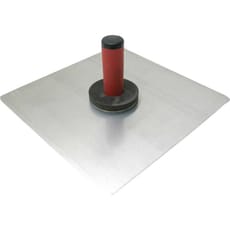
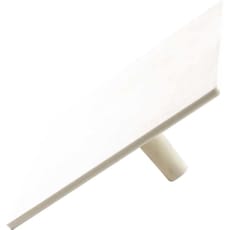
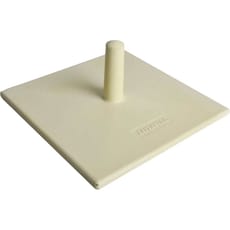
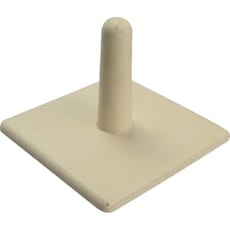
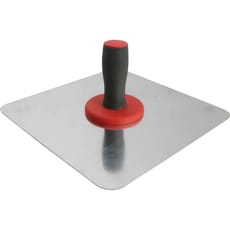
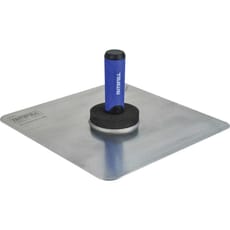
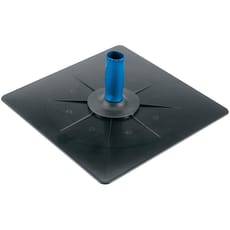
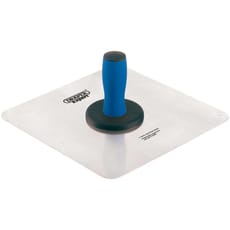
A plasterer's hawk is an indispensable handheld tool designed for holding and carrying plaster, mortar, or render whilst working on walls and ceilings. Featuring a flat square or rectangular platform with a perpendicular handle mounted underneath, these tools keep material within easy reach, eliminating constant trips back to the mixing bucket. Standard hawks typically measure between 280mm and 330mm square, providing sufficient capacity without becoming unwieldy during extended use.
MyToolShed.co.uk stocks a comprehensive selection of plasterers hawks and decorators hawks from trusted brands including DeWalt, Faithfull, Draper, Marshalltown, and Tyzack. Available in aluminium, ABS plastic, and polyurethane construction, each material offers distinct advantages. Professional aluminium hawks deliver exceptional durability and a smooth, non-stick surface, whilst lightweight plastic alternatives reduce arm fatigue during all-day site work. Whether you're a professional plasterer or DIY enthusiast, choosing the right hawk significantly impacts working efficiency and finish quality.
Applications
Hawks are essential tools across various construction and renovation trades:
- Plasterers and Rendering Specialists: Daily use for applying skim coats, base coats, and decorative finishes
- Drywall Installers: Holding joint compound whilst taping and finishing plasterboard installations
- Bricklayers: Carrying mortar for pointing and detailed masonry work
- Restoration Specialists: Working with traditional lime plasters on heritage buildings
- Decorators: Patch repairs and surface preparation before painting or wallpapering
- DIY Enthusiasts: Home improvement projects including room re-skimming and plastering repairs
- Maintenance Teams: Property repairs across residential and commercial settings
Choosing The Right Hawks
Material Selection: Aluminium hawks offer the best balance of durability and weight for professional daily use, with smooth surfaces that facilitate easy cleaning and prevent material adhesion. Plastic hawks suit occasional use, apprentices, or those requiring the lightest option to minimise arm strain. Polyurethane models provide excellent chemical resistance when working with specialised compounds.
Size Considerations: Standard 300-330mm square hawks suit most applications, whilst smaller 280mm models work well for detailed tasks or reducing weight. Consider your physical capability for extended holding periods—larger surfaces carry more material but increase arm fatigue over time.
Handle Design: Traditional wooden handles like those on Tyzack models offer comfortable grip and tactile feedback. Modern synthetic handles may feature ergonomic contouring or soft-grip materials for enhanced comfort during prolonged use.
Surface Finish: Mill finish aluminium provides excellent value for general work. Anodised surfaces, such as the DeWalt Drywall Hawk available at MyToolShed.co.uk, offer enhanced durability and easier cleaning—worthwhile for professionals using their hawk daily.
Frequently Asked Questions
What's the difference between aluminium and plastic hawks?
Aluminium hawks are more durable, offer a smoother non-stick surface, and maintain flatness over years of professional use. Plastic hawks are significantly lighter and more affordable, making them ideal for occasional use, training, or reducing arm fatigue. Professional plasterers typically prefer aluminium for daily work, whilst plastic models suit DIY users and apprentices.
Which size hawk should a beginner choose?
Beginners should start with a standard 300mm hawk, offering the best balance between capacity and manageability. A plastic or lightweight aluminium model allows you to focus on application technique rather than struggling with heavy materials. As your strength and confidence develop, you can progress to larger professional models.
How do I clean my plasterer's hawk properly?
Clean your hawk immediately after use before material hardens. Scrape off excess plaster with your trowel edge, then wash with clean water using a stiff brush. For stubborn dried plaster on aluminium hawks, brief soaking followed by scraping usually suffices. Dry thoroughly after cleaning to maintain the smooth finish and prevent corrosion.