
Hand Cleaners

Pay in 3 interest-free payments on purchases from £20-£3000 with  . Learn more.
 Loading...
End of content
Error - No more pages to load
About Hand Cleaners
Professional hand cleaners are essential products for tradespeople and DIY enthusiasts who work with oils, greases, paints, adhesives, and other stubborn contaminants that ordinary soap cannot remove. MyToolShed.co.uk stocks a comprehensive range of hand cleaning solutions from trusted brands including Swarfega, Big Wipes, and Rocol, covering everything from traditional paste cleaners and pump dispensers to convenient wipes and complete van cradle systems. Whether you're a mechanic dealing with engine oil, a decorator removing gloss paint, or a joiner cleaning off adhesives, specialised hand cleaners use advanced formulations with natural abrasives and skin conditioners to break down tough substances whilst being kind to your skin.
Beyond basic cleaning, modern hand care products available at MyToolShed include barrier creams that protect skin before work, heavy-duty cleaners for removing ingrained dirt, moisturising hand creams for restoration, and sanitiser gels for hygiene. Formats range from large workshop tubs and pump pots to portable squeeze tubes and wipes for vans and toolboxes, with van cradle systems providing organised storage for mobile workers. Many formulations are now solvent-free and pH-balanced, incorporating moisturisers to prevent dermatitis whilst still delivering industrial-strength cleaning performance.
Applications
- Motor mechanics and vehicle technicians removing engine oil, grease, brake fluid, and transmission fluids
- Plumbers and heating engineers cleaning off flux, solder, and system cleaner residues
- Painters and decorators tackling gloss paint, varnish, and oil-based coatings
- Joiners and carpenters removing wood glues, PVA, stains, and finishing products
- Builders and general tradespeople dealing with cement, mortar, mastic, and construction adhesives
- Plant operators maintaining equipment and handling hydraulic oils and industrial lubricants
- Manufacturing and engineering workers removing cutting fluids and metalworking compounds
- Agricultural workers dealing with diesel, grease, and farming chemicals
- DIY enthusiasts tackling home improvement projects involving paints and oils
- Facilities maintenance teams requiring effective hand cleaning stations
Choosing The Right Hand Cleaners
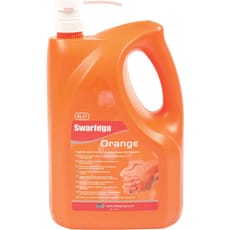
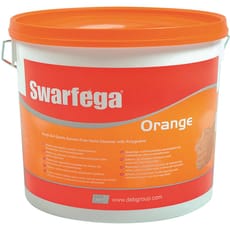
Type of Contaminant: Match the cleaner to your typical dirt. Heavy-duty formulas with natural abrasives like Swarfega Orange work best for ingrained oils and greases, whilst lighter cleaners suffice for general workshop grime. Specialist wipes like Rocol NSF Scrubs tackle specific industrial contaminants.
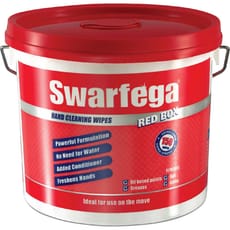
Format and Dispensing: Tubs and pump pots suit static workshop locations, whilst squeeze tubes and wipes are ideal for vans and site work. Van cradle systems provide organised, accessible storage for mobile tradespeople. Wipes offer ultimate convenience when water isn't available but typically cost more per use than paste cleaners.
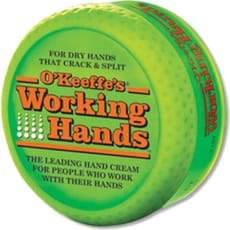
Skin Sensitivity: Choose pH-balanced, solvent-free formulas with added moisturisers if you have sensitive skin or suffer from dermatitis. Products like O'Keeffe's Working Hands are specifically designed for skin restoration. Avoid cleaners containing petroleum solvents that strip natural skin oils.
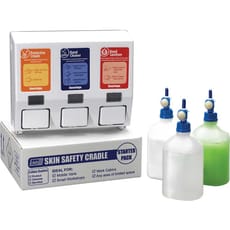
Complete Skin Care: Consider a three-step system using barrier cream before work, effective cleaner during, and restorative moisturiser afterwards. Swarfega Van Cradle kits provide this complete solution for professional tradespeople.
Safety Information
Always read product labels and safety data sheets before use, particularly if you have sensitive skin or known allergies. Avoid using harsh solvents, white spirit, or petrol to clean hands as these cause serious skin damage. Under COSHH regulations, employers must provide adequate hand cleaning products where employees are exposed to skin contaminants. Store hand cleaners in a cool, dry place and ensure easy accessibility at wash stations. If skin irritation, redness, or cracking develops despite using appropriate products, consult a healthcare professional as you may have developed occupational dermatitis requiring medical intervention.
Frequently Asked Questions
What's the difference between standard soap and professional hand cleaners?
Professional hand cleaners contain specialised surfactants and natural abrasives specifically designed to break down oils, greases, paints, and industrial contaminants that ordinary soap cannot remove. They're formulated to be tough on dirt whilst remaining pH-balanced and gentle on skin, with many containing moisturisers to counteract drying effects from repeated washing.
Are solvent-free hand cleaners as effective as traditional ones?
Modern solvent-free formulations are highly effective at removing oils, greases, and industrial contaminants thanks to advanced surfactant technology and natural abrasives. They're safer for regular use, better for your skin, and more environmentally friendly without the health risks and unpleasant odours associated with paraffin or white spirit-based products.
Can I use hand wipes instead of paste cleaners?
Hand wipes offer excellent convenience for site work and when water isn't available, making them ideal for quick clean-ups throughout the day. However, for heavily soiled hands with ingrained contaminants, traditional paste cleaners with water typically provide more thorough cleaning. Many tradespeople use both—wipes for on-the-go cleaning and paste cleaners for end-of-day deep cleaning.