
Gripping Tools

Pay in 3 interest-free payments on purchases from £20-£3000 with  . Learn more.
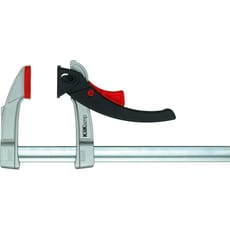
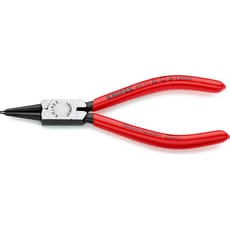
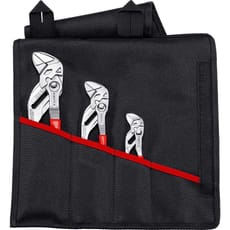
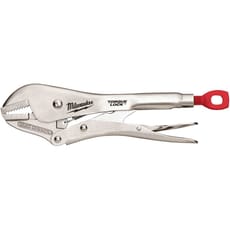
 Loading...
End of content
Error - No more pages to load
About Gripping Tools
Gripping tools are essential equipment for tradespeople and DIY enthusiasts, designed to hold, clamp, cut, bend, and manipulate materials with precision and control. This versatile category encompasses a wide range of specialist tools including pliers for electrical and general work, clamps for securing materials during assembly, multi-tools offering portable versatility, pincers for extraction tasks, suction grippers for handling glass and smooth surfaces, and precision tweezers for delicate component work. Whether you're tackling automotive repairs, electrical installations, carpentry projects, or general maintenance, the right gripping tool makes the difference between professional results and frustrating struggles.
MyToolShed.co.uk stocks gripping tools from trusted manufacturers including Knipex, Bahco, Stanley, and Wera, ensuring quality and reliability for both professional trades and serious DIY applications. Modern gripping tools feature ergonomic handles that reduce hand fatigue, advanced materials for superior durability, and specialised designs for specific tasks across construction, engineering, automotive, and electronics work.
Applications
Gripping tools are indispensable across numerous trades and industries:
- Electricians - VDE-insulated pliers and wire strippers for safe 240v installations and electrical repairs
- Plumbers - Water pump pliers and pipe clamps for pipework and fitting installations
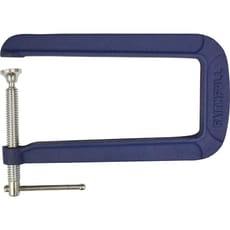
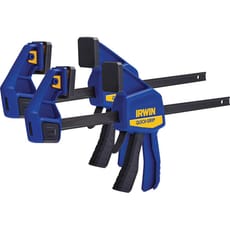
- Carpenters and Joiners - G-clamps and quick-release clamps for securing timber during cutting and assembly
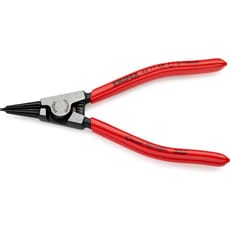
- Motor Mechanics - Long-nose pliers and circlip pliers for automotive repair and maintenance
- Engineers and Fabricators - Heavy-duty clamps and metalworking pliers for manufacturing projects
- Electronics Technicians - Precision tweezers and micro pliers for delicate component handling
- Glaziers - Suction grippers for safe handling of glass panels and sealed units
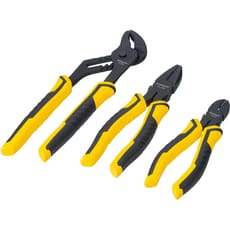
- DIY Enthusiasts - Versatile multi-tools and plier sets for household repairs and improvements
Choosing The Right Gripping Tools
Consider your specific trade requirements when selecting gripping tools. Electricians must prioritise VDE-certified insulated tools that comply with UK electrical safety regulations for working with 240v mains power. Carpenters need clamps with sufficient jaw capacity for their typical timber dimensions, whilst mechanics require specialist pliers for automotive applications.
Material quality significantly impacts performance and longevity. Professional-grade tools from brands available at MyToolShed.co.uk typically use chrome vanadium steel that resists wear and maintains sharp cutting edges. For daily professional use, investing in quality tools reduces long-term costs and improves reliability on site.
Ergonomics matter for prolonged use. Tools with cushioned grips and ergonomic handle designs reduce hand fatigue and help prevent repetitive strain injuries during extended work periods. Match tool size to your applications—compact pliers (150-180mm) suit precision work, whilst heavy-duty tasks require longer handles (200-300mm) for increased leverage.
Safety Information
Always use VDE-certified insulated tools rated for 1,000V when working with live electrical circuits at 240v mains voltage. Standard pliers must never be used for electrical work as they provide no protection against electric shock. Regularly inspect insulation for damage and replace compromised tools immediately.
Wear appropriate personal protective equipment including safety glasses when using cutting pliers, as materials may splinter or produce sharp fragments. Keep gripping tools properly maintained with clean, sharp cutting edges—blunt tools require excessive force and are more likely to slip, causing injury. Never use gripping tools as hammers or pry bars, as this can damage the tool and cause unexpected failure.
Frequently Asked Questions
What's the difference between pliers and pincers?
Pliers feature parallel or angled jaws designed for gripping, bending, and cutting various materials, with multiple designs for different applications. Pincers have a more specialised design, traditionally used for pulling nails, cutting wire, or gripping with compound leverage that provides extra force. Pincers generally focus on extraction and cutting tasks, whilst pliers offer more versatile manipulation capabilities.
Do I need VDE-insulated tools for home electrical DIY work?
Yes, absolutely. UK mains electricity at 240v can be fatal, and VDE-insulated tools are rigorously tested to protect against electric shock. For anyone working with electrical installations—professional or DIY—properly insulated tools are essential for safety and may affect home insurance if an incident occurs. Non-insulated tools should never be used on live circuits.
How much jaw capacity do I need for general trade work?
For most general applications, combination pliers with 35-50mm jaw capacity and adjustable water pump pliers with 45-60mm capacity cover typical tasks. However, specific trades have different requirements—plumbers often need larger capacity (up to 80mm+) for pipework, whilst electronics work requires much smaller precision tools. Having a range of sizes available ensures you're prepared for various situations.