
Fuel Heaters

Pay in 3 interest-free payments on purchases from £20-£3000 with  . Learn more.
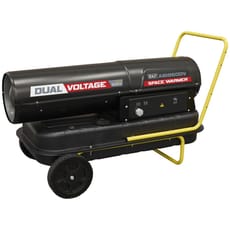
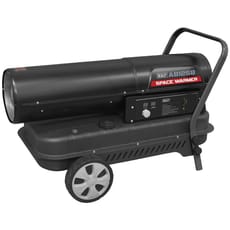
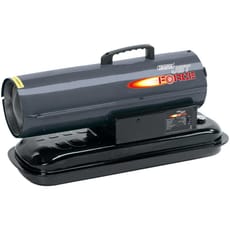
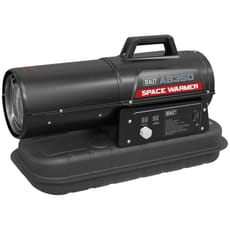

Loading...
End of content
Error - No more pages to load
About Fuel Heaters
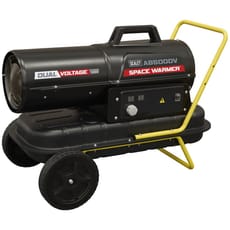
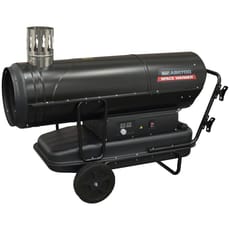
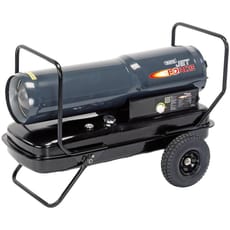
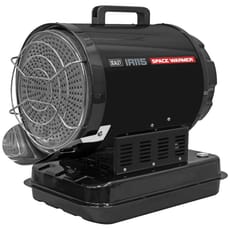
Fuel heaters provide powerful, portable heating solutions for locations where mains electricity is unavailable or impractical. Burning diesel, paraffin, propane, or gas, these robust heating systems deliver substantial warmth across construction sites, warehouses, workshops, agricultural buildings, and outdoor events. Unlike 240v electric heaters, fuel-powered models offer the flexibility to operate in remote locations whilst efficiently heating large spaces that would be costly or impossible to warm using conventional methods.
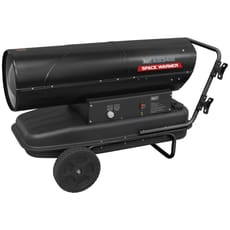
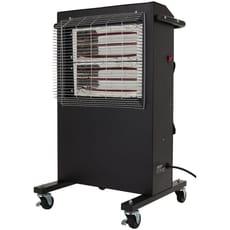
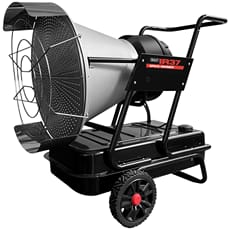
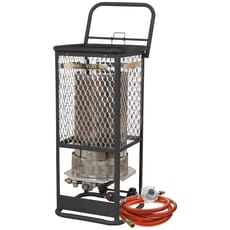
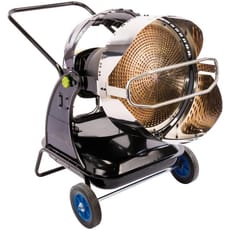
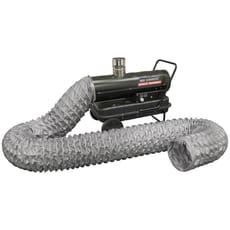
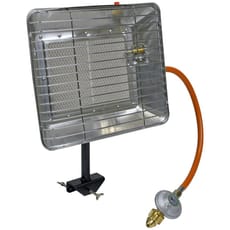
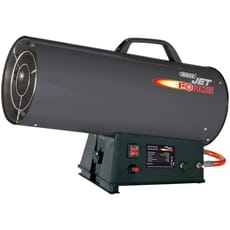
MyToolShed.co.uk stocks a comprehensive range including cabinet heaters for controlled workshop heating, high-output diesel heaters for demanding commercial applications, and clean-burning gas and propane heaters popular on construction sites. Paraffin heaters provide cost-effective steady warmth, whilst versatile space heaters can be positioned wherever heat is needed most. Modern fuel heaters incorporate advanced safety features including flame-failure devices, tip-over protection, and overheat cut-outs, meeting stringent HSE requirements for workplace heating equipment.
Applications
Fuel heaters serve tradespeople and industries requiring reliable heating solutions:
- Construction workers and site managers - maintaining safe working temperatures and accelerating drying times for plaster, concrete, and paint
- Agricultural workers and farmers - heating barns, protecting livestock, and preventing frost damage in outbuildings
- Warehouse and logistics managers - cost-effective heating for large storage facilities and distribution centres
- Event organisers and marquee companies - temporary heating for outdoor events, weddings, and exhibitions
- Garage and workshop owners - creating comfortable working environments in unheated spaces
- Renovation specialists - drying damp buildings and providing heat during property refurbishments
- Industrial maintenance teams - emergency heating during boiler failures or in areas without central heating
Choosing The Right Fuel Heaters
Space size and heat output: Calculate your space volume to determine BTU requirements—approximately 100-150 BTU per square metre depending on insulation quality. Larger sites benefit from high-output diesel heaters, whilst smaller workshops may only require paraffin or gas models.
Fuel type and availability: Consider which fuel is most accessible and economical. Diesel offers excellent efficiency for continuous use, propane provides clean burning with easy cylinder replacement, whilst paraffin remains cost-effective for moderate heating needs.
Ventilation requirements: Assess whether your space has adequate ventilation or requires flued heating to safely exhaust combustion gases. Direct-fired models need excellent ventilation, whilst indirect-fired heaters with flues can operate safely indoors when properly vented according to HSE guidelines.
Portability versus output: Heavy diesel cabinet heaters deliver maximum warmth but require manual handling equipment, whereas lighter paraffin and propane space heaters offer greater manoeuvrability around sites.
Running costs: Models with thermostat controls significantly reduce fuel consumption by cycling on and off. Prioritise heaters with flame-failure devices, tip-over switches, and overheat protection for workplace safety compliance.
Safety Information
Always position fuel heaters on stable, level, non-combustible surfaces, maintaining at least 1 metre clearance from combustible materials. Ensure adequate ventilation when operating indoors—combustion produces carbon monoxide, a colourless, odourless gas that can be fatal. Install working carbon monoxide detectors in enclosed spaces and never operate unflued heaters overnight in occupied areas.
Store fuel in approved containers away from heat sources. Never refuel hot heaters—allow complete cooling first. Keep suitable fire extinguishers accessible and regularly inspect equipment for damage or leaks. Comply with COSHH regulations regarding fuel storage and handling, and never modify heaters or use incorrect fuel types as this voids safety certifications.
Frequently Asked Questions
Can I use a fuel heater inside a building or workshop?
This depends on the heater type and available ventilation. Direct-fired heaters expel combustion gases into the room and require excellent ventilation or outdoor use only. Indirect-fired models with flues can be used indoors with proper exhaust venting. Always check manufacturer specifications, ensure HSE compliance, and install carbon monoxide detectors when operating fuel heaters in enclosed spaces.
What's the most economical fuel type for heating a construction site?
Diesel typically offers the best balance of heat output, efficiency, and cost for continuous site heating in larger spaces. MyToolShed.co.uk recommends calculating your specific requirements based on space size, usage duration, and current local fuel prices. For intermittent use or smaller areas, propane's convenience and clean burning may offset slightly higher fuel costs.
How long will a fuel heater run on a single tank?
Run times vary depending on fuel capacity, heat output setting, and model efficiency. Small paraffin heaters may run 8-12 hours on a 5-litre tank, whilst large diesel heaters with 50-litre tanks can operate 15-20 hours at maximum output. Models with thermostat controls extend run times significantly by cycling on and off according to temperature requirements.