
Fluid Extractors

Pay in 3 interest-free payments on purchases from £20-£3000 with  . Learn more.
 Loading...
End of content
Error - No more pages to load
About Fluid Extractors
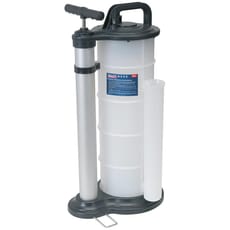
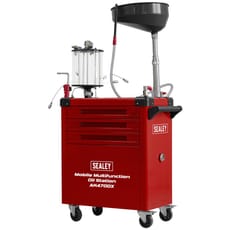
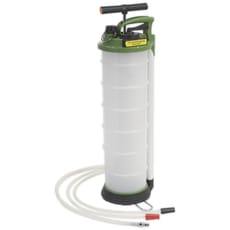
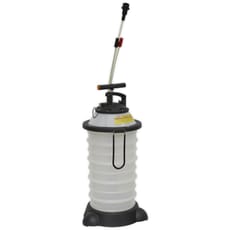
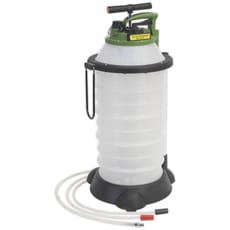
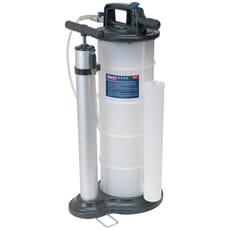
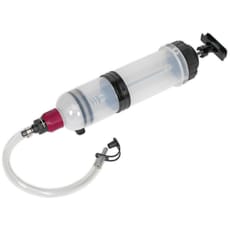
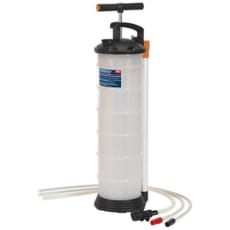
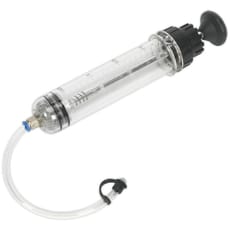
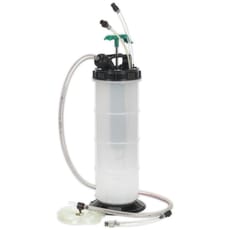
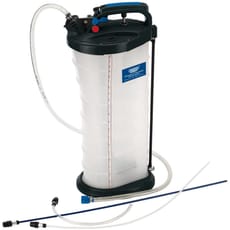
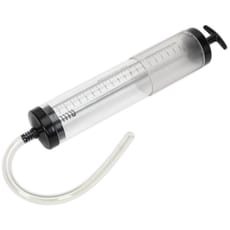
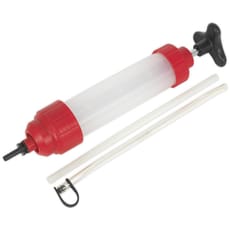
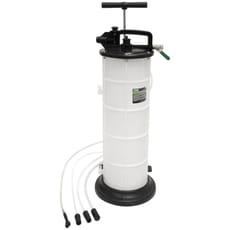
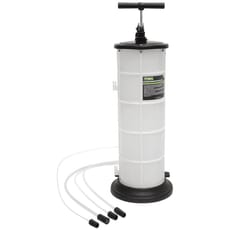
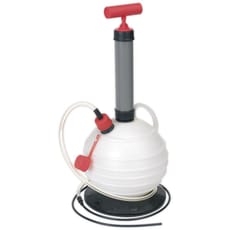
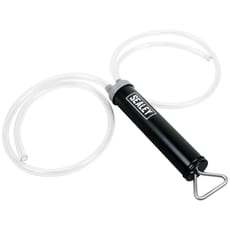
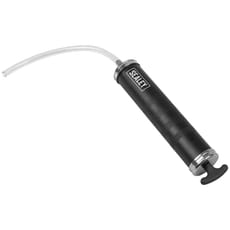
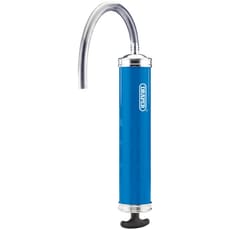
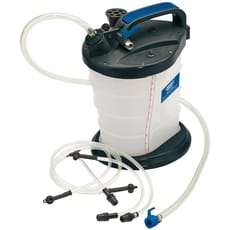
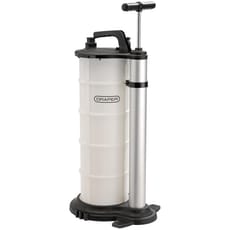
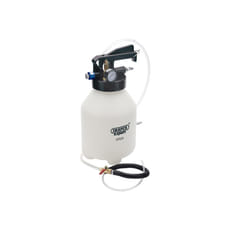
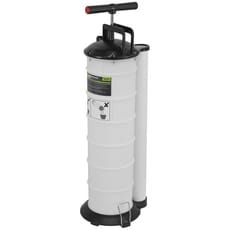
Fluid extractors are essential workshop tools designed to safely remove liquids from engines, gearboxes, and mechanical systems without accessing drain plugs or requiring complex disassembly. Whether extracting engine oil, brake fluid, transmission fluid, or fuel, these versatile devices make fluid changes cleaner and more efficient. MyToolShed.co.uk stocks manual, pneumatic, and vacuum-operated extractors from leading brands including Sealey, Draper, and Siegen, suitable for professional workshops and home garages alike.
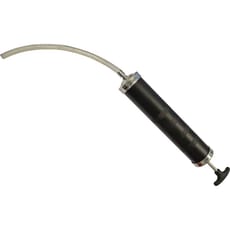
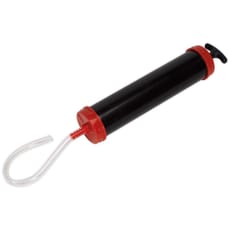
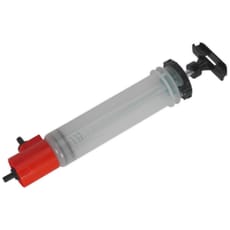
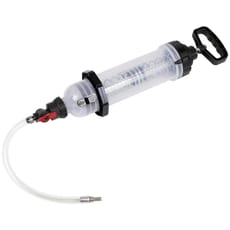
Available capacities range from compact 500ml suction syringes for small-volume tasks to professional 9-litre pneumatic units capable of removing several litres in minutes. Modern extractors feature transparent collection chambers for easy monitoring, whilst specialist models incorporate Viton seals for compatibility with aggressive fluids and solvents. The ability to extract through dipstick tubes, filler caps, or brake bleed nipples makes these tools particularly valuable for vehicles with difficult drain plug access or when working in confined spaces.
Applications
- Motor mechanics and automotive technicians performing oil changes, transmission services, and vehicle maintenance in workshops
- Mobile mechanics requiring portable fluid extraction without vehicle lifts or inspection pits
- Marine engineers servicing boat engines where traditional drainage methods prove impractical
- Plant and machinery fitters maintaining construction equipment and agricultural machinery with limited fluid access points
- MOT testing stations extracting fluid samples for brake fluid testing and contamination analysis
- DIY enthusiasts performing home vehicle servicing without professional lifting equipment
- Fleet maintenance operatives servicing multiple vehicles efficiently whilst maintaining cleanliness standards
- Motorcycle specialists working on small engines where conventional draining proves difficult
Choosing The Right Fluid Extractors
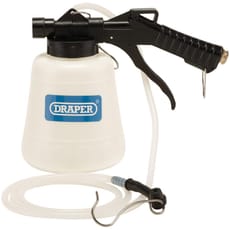
Extraction Method: Manual extractors using hand pumps suit occasional use and offer portability without requiring compressed air. Pneumatic models connected to workshop compressors provide faster extraction for high-volume professional applications, typically operating at 6-8 bar pressure.
Capacity Requirements: Match capacity to your typical jobs. Compact 500ml to 2-litre syringes suffice for motorcycles and lawnmowers. Mid-range 6-litre units handle most car oil changes, whilst 9-litre or larger extractors suit commercial vehicles and multiple consecutive services.
Fluid Compatibility: Standard extractors with nitrile seals work well with conventional engine oils. For petrol, diesel fuel, brake fluid, or aggressive chemicals, choose models with Viton seals designed for chemical resistance. MyToolShed.co.uk stocks specialist extractors for various fluid types.
Build Quality: Professional brands like Sealey, Draper Expert, and Siegen offer superior durability and reliable vacuum performance. For daily workshop use, invest in robust models with metal components rather than lightweight plastic construction.
Additional Features: Transparent collection chambers allow visual monitoring. Wheeled bases improve mobility for larger units. Multiple probe lengths and diameters add versatility for accessing different vehicle types and fluid reservoirs.
Safety Information
Always wear chemical-resistant gloves and eye protection when extracting automotive fluids. Ensure adequate ventilation when working with fuel or solvents to prevent inhalation of harmful vapours. Never extract fluids from hot engines—allow sufficient cooling time to prevent burns from hot liquids.
Dispose of extracted fluids responsibly in accordance with COSHH regulations. Never pour automotive fluids down drains. Use approved waste oil collection services or designated recycling facilities. Store extracted fluids in clearly labelled, sealed containers away from ignition sources. When extracting fuel, eliminate all ignition sources and ensure fire extinguishing equipment is readily accessible.
Frequently Asked Questions
What capacity fluid extractor do I need for a typical car oil change?
Most passenger cars require between 4 and 6 litres of engine oil. A 6-litre capacity extractor provides adequate capacity with headroom, whilst 9-litre models suit larger engines or multiple services without emptying. Smaller vehicles and motorcycles work well with 2-3 litre extractors available at MyToolShed.co.uk.
Do I need a workshop compressor to use a fluid extractor?
No—many excellent manual fluid extractors operate using hand pumps to create vacuum, requiring no external power source. These suit mobile mechanics and home workshops perfectly. Pneumatic extractors require compressed air but offer faster extraction speeds for high-volume professional use.
Can fluid extractors handle thick gear oil or automatic transmission fluid?
Yes, quality extractors handle thicker fluids, though extraction may take longer than with thin engine oils. Warming the fluid to normal operating temperature reduces viscosity and improves flow rates. Ensure you select an extractor with appropriate seals rated for the specific fluids you'll be handling.