
Fire Extinguishers & Safety

Pay in 3 interest-free payments on purchases from £20-£3000 with  . Learn more.
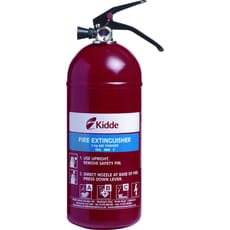
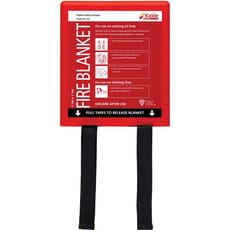
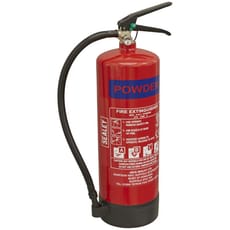
 Loading...
End of content
Error - No more pages to load
About Fire Extinguishers & Safety
Fire safety equipment is essential for protecting people, property and businesses across the UK. From construction sites and workshops to commercial premises and domestic properties, having the right fire extinguishers and safety equipment can prevent minor incidents from becoming major disasters. MyToolShed.co.uk supplies a comprehensive range of fire extinguishers, fire blankets, smoke detectors and safety signage to help tradespeople, businesses and homeowners meet their legal obligations under UK fire safety regulations whilst providing effective protection against fire hazards.
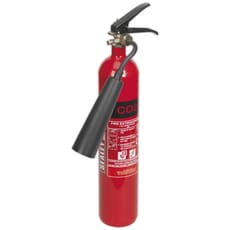
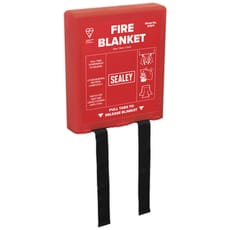
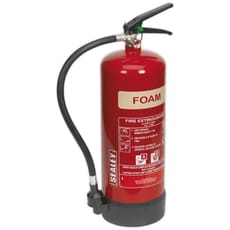
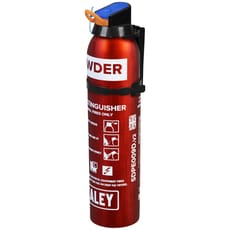
Different types of fire extinguishers are designed to tackle specific fire classes – from Class A fires involving wood and paper, through Class B flammable liquids and electrical fires, to Class F cooking oil fires. Understanding which extinguisher types you need, where to position them, and how to maintain them is crucial for HSE compliance. Beyond extinguishers themselves, complete fire safety encompasses detection equipment, appropriate signage, fire blankets and storage solutions that together form an effective fire prevention and response strategy.
Applications
Fire safety equipment is required across virtually every workplace and industry. MyToolShed.co.uk serves:
- Construction professionals – site managers and contractors maintaining fire safety on active sites and in temporary structures
- Electricians – sparkies requiring CO2 or powder extinguishers suitable for electrical installations and commercial premises
- Vehicle mechanics and fitters – workshops handling flammable liquids needing appropriate foam or powder extinguishers
- Landlords and property managers – those responsible for meeting fire safety standards in rental and commercial properties
- Facilities managers – professionals maintaining safety compliance in offices, warehouses and industrial premises
- Fleet managers – ensuring commercial vehicles carry appropriate fire extinguishers, particularly HGVs
- Hospitality sector – restaurants and cafés requiring wet chemical extinguishers for kitchen environments
- Manufacturing and engineering – factories and workshops protecting machinery, materials and personnel
- Small businesses – shops and offices of all sizes meeting their legal fire safety obligations
- DIY enthusiasts – homeowners protecting domestic workshops, garages and properties
Choosing The Right Fire Extinguishers & Safety
Identify your fire risks: Assess what types of fire could occur in your environment. Workshops with wood and paper need Class A protection, sites with flammable liquids require Class B capability, electrical installations need CO2 or powder extinguishers, and kitchens must have wet chemical (Class F) units. Multi-purpose extinguishers covering several fire classes suit many premises.
Understand legal requirements: The Regulatory Reform (Fire Safety) Order 2005 mandates that workplaces conduct fire risk assessments and provide appropriate fire-fighting equipment. Landlords and businesses must meet specific compliance standards.
Consider size and capacity: Extinguishers range from compact 1kg or 2-litre units for vehicles to 9-litre or 9kg models for larger premises. HSE guidance recommends minimum fire ratings based on floor area – typically one 13A rated extinguisher per 200 square metres.
Plan positioning: Position extinguishers near exit routes, close to specific fire risks, and within 30 metres travel distance from any point. Wall-mounting brackets and clear BS 5499 compliant signage ensure accessibility during emergencies.
Safety Information
Know your limitations: Fire extinguishers tackle small, contained fires only. Always sound the alarm and evacuate first – never fight fires blocking escape routes or producing dense smoke.
Use correct extinguisher types: Never use water or foam on electrical fires or equipment connected to 240v supplies. CO2 and powder extinguishers are suitable for electrical fires, but CO2 displaces oxygen in confined spaces and requires adequate ventilation after use.
Maintain regularly: UK regulations require annual servicing by a competent person, with extended services at five-yearly intervals. Check pressure gauges monthly and keep detailed service records for compliance evidence.
Frequently Asked Questions
What type of fire extinguisher do I need for my van or workshop?
For most trade vehicles and workshops, a multi-purpose powder extinguisher covering Class A, B and C fires plus electrical equipment is ideal. A 2kg powder extinguisher is the minimum for vehicles, whilst workshops benefit from 6kg models depending on floor area and specific risks.
How often do fire extinguishers need servicing?
UK regulations require annual servicing by a competent person, with extended services every five years and pressure testing or replacement after ten years. Conduct monthly visual checks of pressure gauges and condition between professional services.
Are fire extinguishers legally required for my business?
Yes, under the Regulatory Reform (Fire Safety) Order 2005, all workplaces except domestic dwellings must provide appropriate fire-fighting equipment based on a fire risk assessment. Even sole traders working from commercial premises have these obligations.