
Drilling Guides & Jigs

Pay in 3 interest-free payments on purchases from £20-£3000 with  . Learn more.
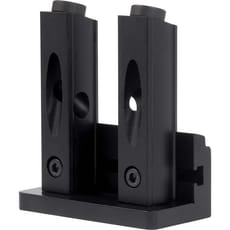
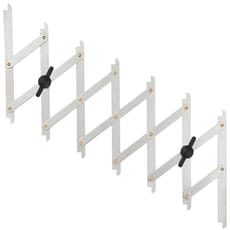
 Loading...
End of content
Error - No more pages to load
About Drilling Guides & Jigs
Drilling guides and jigs are precision tools that enable tradespeople and DIY enthusiasts to create perfectly positioned, straight holes with repeatable accuracy. Whether you're drilling pocket holes for joinery, creating dowel joints for furniture assembly, or boring perpendicular holes in tile or metal, these specialist guides eliminate guesswork and dramatically reduce errors. MyToolShed.co.uk stocks drilling guides and jigs from trusted brands including Trend, Faithfull, Stanley, Sealey, Vitrex, Draper, and Marcrist, covering applications from woodworking and metalworking to tile drilling.
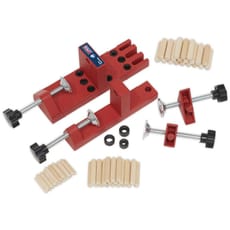
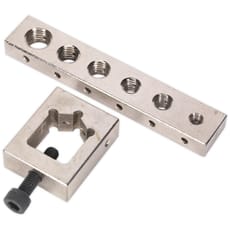
This category encompasses dowelling jigs for furniture making, pocket hole jigs for creating concealed joints, straight drilling guides for ensuring 90-degree holes, and specialised tools like nut and bolt cross-drilling jigs. From simple drill bit depth stops to comprehensive dowelling jig sets with centre points, these precision accessories transform difficult freehand operations into professional-quality results whilst reducing material wastage from drilling mistakes.
Applications
- Joiners and Cabinet Makers: Creating precise dowel joints, pocket holes, and perfectly aligned drilling in furniture and fitted joinery
- Kitchen Fitters: Assembling face frame cabinets with pocket hole joinery for concealed, strong fixings
- Carpenters and Chippies: Accurate on-site drilling for timber frames, staircases, and structural joinery
- General Builders: Drilling perpendicular holes in various materials and creating accurate fixings
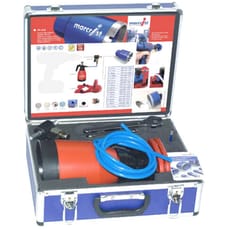
- Tilers: Creating clean holes in ceramic and porcelain tiles for pipework without cracking
- Metalworkers and Engineers: Cross-drilling bolts, nuts, and metal components with precision
- Shopfitters: Precise, repeatable drilling for retail displays and fitted units
- DIY Enthusiasts: Achieving professional results in furniture making and home improvement projects
Choosing The Right Drilling Guides & Jigs
Identify Your Primary Application: Pocket hole jigs excel at face frame construction and quick assembly work, whilst dowelling jigs are ideal for traditional furniture joinery. Straight drilling guides suit general perpendicular drilling across various materials.
Material Compatibility: Ensure your guide suits your materials. Timber drilling guides differ from specialist tile drilling kits with diamond bits, which prevent wandering on ceramic and porcelain surfaces.
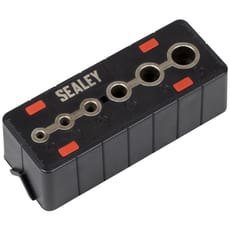
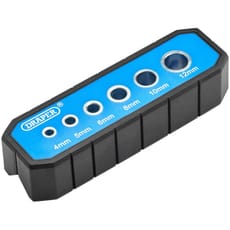
Capacity and Size Range: Check the drill bit diameter range. Straight drilling guides typically accommodate 4mm to 12mm bits, whilst pocket hole jigs generally work with 9.5mm stepped bits for standard applications.
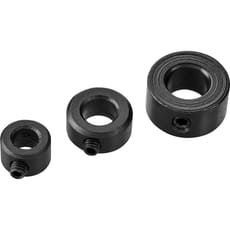
Build Quality: Professional tradespeople should invest in well-engineered jigs from brands like Trend or Faithfull, featuring hardened steel guide bushings and robust construction for daily use and long-term accuracy.
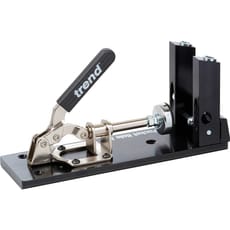
Portability Requirements: Site workers may prefer compact guides like the Trend Mini Pocket Hole Jig, whilst workshop-based professionals might choose larger systems with additional features and accessories available at MyToolShed.co.uk.
Safety Information
Always secure workpieces with clamps before drilling—never hand-hold small pieces when using jigs. Wear appropriate eye protection to guard against swarf and wood chips. When using power drills with guides, ensure the drill is switched off before positioning or adjusting the jig. Check that guide bushings are securely tightened before use, as loose components can shift during drilling. For tile drilling applications, follow HSE guidance on dust control, using wet cutting methods or appropriate dust extraction to manage harmful silica dust. When using pocket hole jigs, be aware that angled drilling can cause unexpected bit exit if measurements are incorrect—always plan your drilling path carefully.
Frequently Asked Questions
What's the difference between a pocket hole jig and a dowelling jig?
A pocket hole jig creates angled holes for driving screws to join timber with concealed mechanical fixings, ideal for face frame construction. A dowelling jig creates perpendicular holes for inserting wooden dowels that are glued to create traditional joints. Pocket holes are faster and don't require drying time, whilst dowel joints offer completely hidden, glue-based connections commonly used in furniture making.
Can I use standard drill bits with a pocket hole jig?
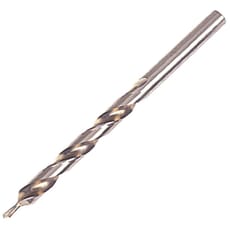
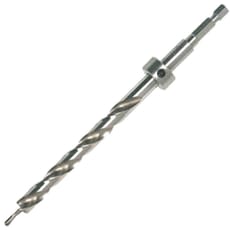
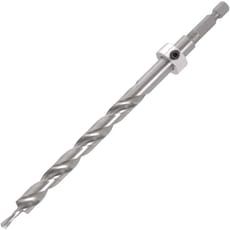
No, pocket hole jigs require specialised stepped drill bits (typically 9.5mm) that create both the pilot hole and pocket in one operation. These bits have a shoulder that creates the enlarged pocket opening whilst the tip drills the pilot hole. Standard bits won't produce the correct profile for pocket hole screws to seat properly. Trend and other manufacturers supply dedicated pocket hole bits with quick-release shanks.
Are drilling guides suitable for cordless drills?
Yes, drilling guides work perfectly with cordless drills from brands like Makita, DeWalt, Milwaukee, and Bosch. The compact size and manoeuvrability of cordless drills often makes them ideal for use with jigs, particularly in confined spaces or on-site. Just ensure your drill has adequate torque and battery charge, especially when drilling through hardwoods at angles where resistance is higher.