
Drain Testing Equipment

Pay in 3 interest-free payments on purchases from £20-£3000 with  . Learn more.
 Loading...
End of content
Error - No more pages to load
About Drain Testing Equipment
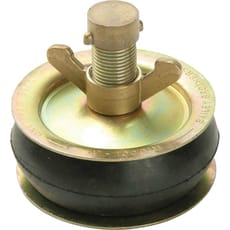
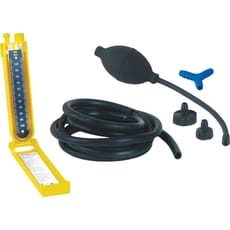
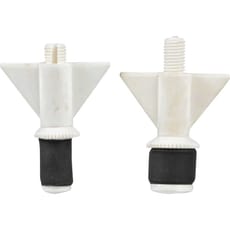
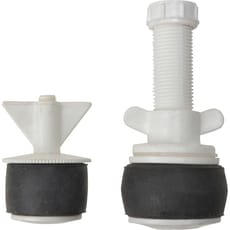
Drain testing equipment is essential for verifying the integrity and compliance of drainage systems in residential, commercial, and industrial properties. From comprehensive testing kits and inflatable plugs to smoke testers and tracing dyes, MyToolShed.co.uk supplies professional-grade equipment that helps drainage engineers, plumbers, and contractors identify leaks, confirm proper sealing, and meet Building Regulations requirements according to BS EN 1610 standards.
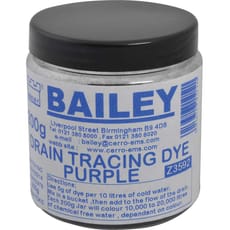
Modern drain testing equipment enables efficient pressure testing using air or water methods, visual leak detection through smoke testing, and precise problem location with fluorescent tracing dyes. Whether you're certifying new installations, conducting routine maintenance, or investigating suspected drainage faults, the right testing equipment ensures compliance, protects your professional reputation, and prevents costly callbacks from undetected issues.
Applications
Drain testing equipment is used across various trades and industries, including:
- Drainage Engineers – installing, testing, and maintaining drainage systems to specification
- Plumbers and Heating Engineers – verifying new installations and renovation work
- Building Contractors – ensuring drainage compliance on construction projects
- Groundworkers – testing external drainage and sewerage systems
- Building Control Officers – inspecting installations for regulatory compliance
- Facilities Managers – maintaining commercial and industrial drainage infrastructure
- Property Developers – certifying new developments meet Building Regulations
- CCTV Drainage Surveyors – complementing camera inspections with physical testing
Choosing The Right Drain Testing Equipment
Pipe Sizes: Consider the range of pipe diameters you typically encounter. Domestic drainage generally uses 100mm to 150mm pipes, whilst commercial systems may require plugs up to 600mm. Comprehensive kits offer multiple plug sizes for versatility across different projects.
Testing Method: Air testing is faster and cleaner for most applications, requiring equipment to pressurise systems to 100mm water gauge. Some Building Control departments may specify water testing for particular installations, so verify local requirements before purchasing.
Gauge Accuracy: Professional manometers or digital pressure gauges calibrated in mm water gauge provide the accurate readings essential for compliance testing. Clear displays and reliable calibration ensure defensible test results.
Equipment Durability: Industrial-strength rubber plugs with reinforced construction and reliable inflation valves withstand repeated site use. Quality equipment from MyToolShed.co.uk prevents test failures and ensures consistent performance across demanding applications.
Portability: Complete kits in carrying cases suit mobile engineers, whilst individual components work well for van-based operations. Consider organised storage solutions that protect equipment and keep components readily accessible on site.
Safety Information
Pressure Safety: Never exceed 100mm water gauge for standard drainage systems. Over-pressurisation can damage pipes or cause violent plug ejection. Always monitor gauges carefully and use pressure relief valves throughout testing.
Personal Protection: Wear safety glasses, gloves, and protective footwear when working with drainage systems. Maintain good hygiene practices as drainage work exposes you to harmful bacteria and contaminants.
Confined Spaces: Inspection chambers and manholes require proper training, atmospheric testing, and adequate ventilation before entry. Follow HSE guidelines and establish rescue procedures before accessing confined spaces.
Frequently Asked Questions
How long should a drain air test hold pressure?
According to BS EN 1610, drainage systems should maintain 100mm water gauge for at least 5 minutes, with no more than 25mm pressure drop. Pre-charge the system for approximately 5 minutes beforehand to allow for temperature stabilisation.
What size drain testing plugs do I need?
For domestic work, plugs covering 100mm, 110mm, and 150mm pipes are essential. Commercial applications may require sizes up to 600mm. Multi-size expandable plugs offer versatility, though always verify actual internal pipe diameters as nominal sizes vary between manufacturers.
Why did my drain test fail?
Common causes include improperly sealed joints, cracked pipes, incorrect connections, or inadequately inflated testing plugs. Locate leaks by listening for hissing sounds, applying soapy water to joints, or using smoke testing. Always verify plugs are correctly positioned before assuming system faults.