
Battery Care & Chargers

Pay in 3 interest-free payments on purchases from £20-£3000 with  . Learn more.

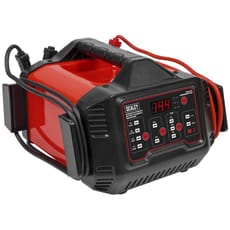
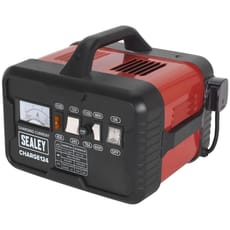
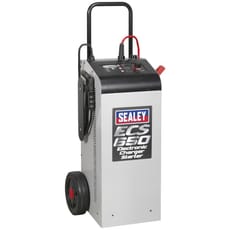
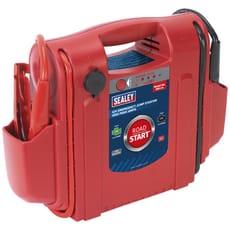
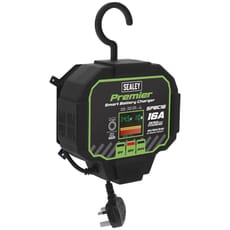
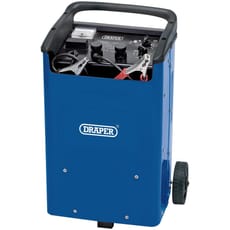
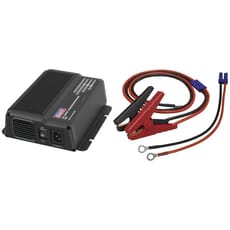
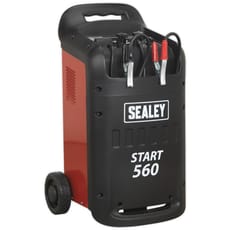

 Loading...
End of content
Error - No more pages to load
About Battery Care & Chargers
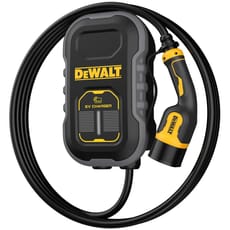
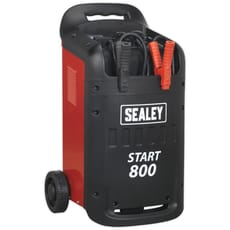
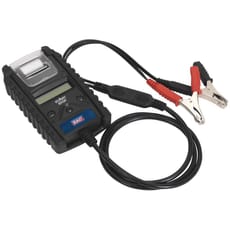
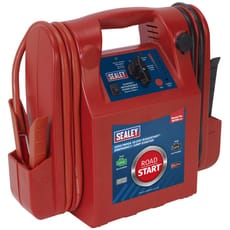
MyToolShed.co.uk stocks a comprehensive range of battery care and charging equipment designed to keep automotive, marine, and leisure batteries in optimal condition. This category includes intelligent multi-stage chargers, diagnostic battery testers, emergency jump starters, battery cleaning products, fluid testers, and essential accessories like heavy-duty jump leads. Whether maintaining workshop vehicle batteries or caring for seasonal caravan power systems, proper battery maintenance prevents unexpected failures and extends battery lifespan.
Cold British winters place significant demands on battery performance, making regular testing and charging routines essential for reliable starting. Modern vehicles with sophisticated electronics and start-stop technology require specific charging profiles, whilst traditional lead-acid batteries benefit from desulphation and maintenance charging during storage. All products at MyToolShed meet UK electrical safety standards and are suitable for 240v domestic and commercial use.
Applications
Battery care equipment serves diverse professional and domestic applications across numerous sectors:
- Motor mechanics and automotive technicians – workshop battery diagnostics, charging, and servicing
- Mobile mechanics and breakdown recovery – portable jump starters and emergency power equipment
- Fleet maintenance teams – managing commercial vehicle batteries and minimising downtime
- Agricultural contractors – maintaining batteries on tractors, plant machinery, and farm equipment
- Marine engineers and boat owners – caring for marine batteries on vessels and moorings
- Caravan and motorhome enthusiasts – leisure battery maintenance during storage periods
- Classic car collectors – conditioning vintage vehicle batteries over winter
- Facilities managers – maintaining standby batteries in emergency systems
- DIY motorists – extending battery life and preventing inconvenient breakdowns
Choosing The Right Battery Care & Chargers
Battery Type Compatibility: Ensure chargers support your battery chemistry. Smart chargers typically handle flooded lead-acid, sealed maintenance-free, AGM, and gel batteries. Vehicles with start-stop technology often require specific AGM charging profiles to prevent damage.
Charging Current: Select appropriate amperage for your needs. A 4-6A charger suits most car batteries for overnight charging, whilst 10-20A models provide faster workshop charging. For long-term maintenance and trickle charging, 1-2A is sufficient and gentler on batteries.
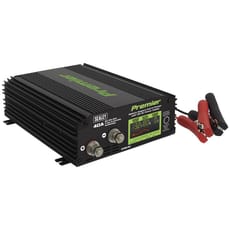
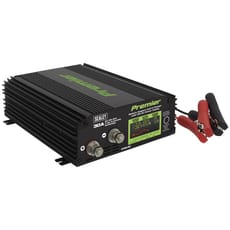
Smart Features: Intelligent chargers with multi-stage charging automatically switch between bulk, absorption, and float modes. Look for desulphation capabilities to recover neglected batteries, plus safety features including spark-proof connections and reverse polarity protection.
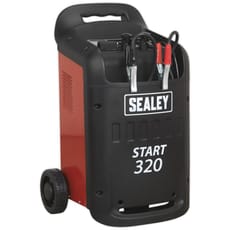
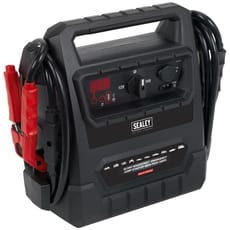
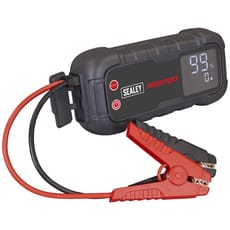
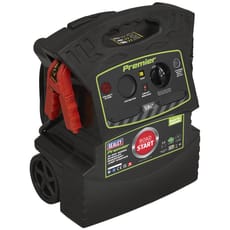
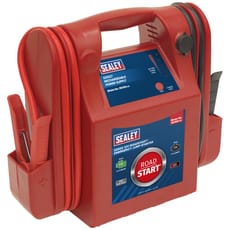
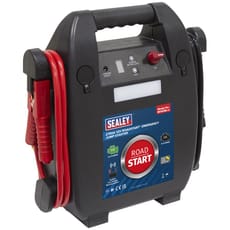
Emergency Power: Battery starter chargers combine charging with high-current jump-starting (typically 100-400A). Portable lithium jump starter packs offer exceptional convenience, fitting in a glovebox whilst delivering powerful starting current and USB charging for devices.
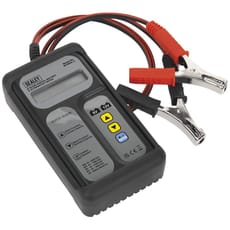
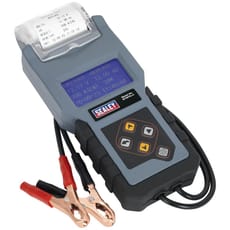
Diagnostic Capability: Professional battery testers provide accurate assessment of battery health, CCA rating, and charge state. Digital models often analyse charging systems too, identifying alternator problems before battery failure occurs.
Safety Information
Explosive Gas Hazards: Lead-acid batteries produce hydrogen during charging. Always charge in well-ventilated areas away from flames or sparks. Switch off chargers before connecting or disconnecting leads.
Electrical Safety: Use chargers with properly earthed 240v supplies. Inspect cables regularly for damage and ensure workshop equipment receives PAT testing according to HSE guidance.
Correct Polarity: Always connect positive (red) to positive terminal and negative (black) to negative or earth point. Reverse polarity damages electronics and can cause battery explosion.
Chemical Hazards: Battery electrolyte contains sulphuric acid. Wear safety glasses and chemical-resistant gloves when handling batteries. Keep neutralising agents and eyewash facilities available.
Frequently Asked Questions
Can I leave a battery charger connected all winter?
Yes, provided you use a smart charger with automatic float mode. These monitor battery voltage and apply charging currents only when needed, preventing overcharging whilst maintaining optimal charge. This is ideal for classic cars, caravans, and seasonal vehicles. Never leave basic unregulated chargers connected unattended.
Do I need a special charger for AGM or start-stop batteries?
Yes, AGM batteries fitted to modern vehicles with start-stop technology require specific charging profiles with carefully controlled voltage. Using incorrect chargers reduces battery life or causes permanent damage. Choose smart chargers with selectable battery type modes including AGM settings.
How can I tell if my battery needs replacing or just recharging?
A quality battery tester provides the most accurate assessment, measuring CCA rating and internal resistance. Warning signs include slow cranking, repeatedly going flat despite charging, visible swelling or cracks, or age over five years. If a fully charged battery won't hold charge, replacement is usually necessary.